Sorbitan Tristearate E492 in Chocolate: Uses, Benefits and Applications
Date:2026-09-07
Read:
Share:
Chocolate is a complex fat-based food. Small changes in fat distribution, particle dispersion, and processing conditions can affect viscosity, texture, appearance, and processing efficiency. Sorbitan Tristearate (E492) is a food emulsifier that can be used to help improve the behavior of chocolate systems, particularly where better fat-phase management and processing performance are needed. This article explains what Sorbitan Tristearate is, how it works in chocolate, where it can be used, and what buyers should consider when selecting a supplier.
What Is Sorbitan Tristearate?
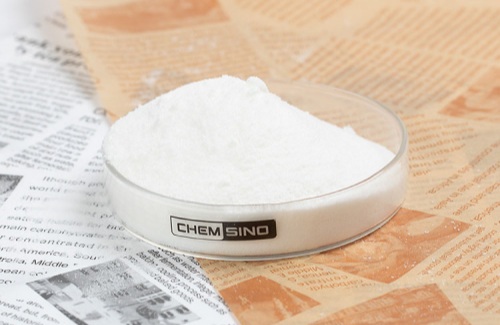
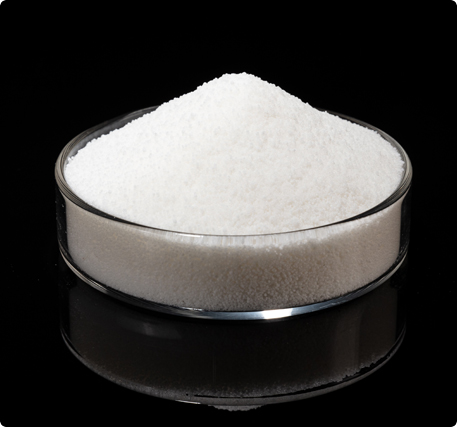
Sorbitan Tristearate is a mixture of partial esters of sorbitol and its mono- and dianhydrides with edible stearic acid. It is identified as INS 492 and is classified as an emulsifier. JECFA describes it as a light cream to tan-colored bead, flake, or hard waxy solid. It is dispersible in vegetable oils and other non-polar solvents but is not soluble in water. Because of its fat-soluble characteristics, Sorbitan Tristearate is more suitable for fat-based food systems than water-based applications. In chocolate, its main value comes from its interaction with the fat phase and its ability to support a more stable and workable system.
Why Are Emulsifiers Used in Chocolate?
Chocolate contains cocoa solids, sugar, cocoa butter or other permitted fats, and sometimes milk ingredients. These components need to be distributed evenly during processing. Without effective fat-phase management, chocolate can become difficult to process, show inconsistent flow, or require more energy during mixing and refining. An appropriate emulsifier can help improve the interaction between fat and solid particles. This may make the chocolate easier to process and can help manufacturers achieve more consistent viscosity and texture. The key point is that an emulsifier does not replace good chocolate formulation or processing. Its performance depends on the type of chocolate, fat composition, particle size, temperature, and other ingredients.
How Does Sorbitan Tristearate Work in Chocolate?
Sorbitan Tristearate works mainly within the fat phase of chocolate. It can influence the interaction between cocoa particles, sugar particles, and the surrounding fat, helping the system flow more efficiently during processing. For example, a chocolate manufacturer may find that a formulation becomes too thick during refining or molding. Adjusting the emulsifier system can help improve flow without simply increasing the amount of cocoa butter. However, the result depends strongly on the formulation. Sorbitan Tristearate should therefore be evaluated through application trials rather than selected only according to its chemical name.
Applications of Sorbitan Tristearate in Chocolate
Sorbitan Tristearate can be considered for several fat-based chocolate and cocoa applications, including chocolate products, cocoa-based formulations, coatings, fillings, and related confectionery systems. In these applications, manufacturers may use it to support better processing, fat-phase management, particle dispersion, and formulation consistency. The exact effect will vary depending on the recipe and production process. Codex GSFA currently lists sorbitan esters of fatty acids, including INS 492, for several food categories. For cocoa and chocolate products, the permitted level and applicable notes depend on the specific food category and regulatory requirements. Manufacturers should always confirm the requirements of the destination market before commercial use.
Sorbitan Tristearate vs. Lecithin
Lecithin is widely used in chocolate and is often selected for its ability to improve flow and reduce the apparent viscosity of chocolate. Sorbitan Tristearate has a different chemical structure and can provide a different interaction with the fat phase. For this reason, the two should not simply be considered interchangeable. In some formulations, the choice depends on the desired viscosity, processing conditions, fat composition, and final product characteristics. Application testing is usually the best way to determine which emulsifier system performs better.
Sorbitan Tristearate vs. PGPR
PGPR is another commonly used chocolate emulsifier, particularly when manufacturers need to modify chocolate flow behavior and reduce yield stress. Sorbitan Tristearate and PGPR work differently because they have different chemical structures and interactions within the chocolate system. The better choice depends on the target viscosity, coating or molding process, fat system, and overall formulation. For some products, combining different emulsifiers may provide better control than relying on a single emulsifier. The formulation should be optimized through controlled trials rather than based only on theoretical HLB values or general dosage recommendations.
What Affects Its Performance?
The performance of Sorbitan Tristearate depends on more than the emulsifier itself. Important factors include the type and amount of cocoa butter or other fats, cocoa solids, sugar particle size, moisture, refining conditions, conching, processing temperature, and the overall emulsifier system. This is why two chocolate formulations using the same emulsifier can produce different results. For commercial production, laboratory testing and pilot-scale validation are recommended before finalizing the formulation.
How Much Sorbitan Tristearate Should Be Used?
There is no single dosage that works for every chocolate formulation. The appropriate amount depends on the recipe, processing equipment, target viscosity, and regulatory requirements of the market. Instead of applying a universal dosage, manufacturers should begin with their existing formulation and conduct controlled trials. The goal is to find the lowest effective level that provides the desired processing performance while maintaining the required taste, texture, and product quality. Regulatory limits must also be checked for the specific product category and destination market. Codex provisions, for example, may specify maximum levels and conditions for sorbitan esters in different food categories.
How to Choose a Sorbitan Tristearate Supplier
For chocolate manufacturers, chemical identity alone is not enough when evaluating an emulsifier supplier. Consistent quality from batch to batch is particularly important because changes in the emulsifier can affect processing performance. Buyers should pay attention to product specifications, purity, appearance, moisture, packaging, certificates, regulatory documents, and batch consistency. A reliable supplier should also be able to provide technical documentation and support application testing when required. For international buyers, it is equally important to confirm whether the product meets the food additive requirements of the target market.
Why Supplier Consistency Matters
Chocolate production is sensitive to small changes in raw materials. If the quality of an emulsifier changes from one batch to another, manufacturers may notice differences in viscosity, processing behavior, or final product performance. A stable manufacturing process, appropriate quality control, and consistent raw materials can therefore be just as important as the nominal specification of the product. For B2B buyers, choosing a supplier that can maintain consistent quality and provide complete documentation can reduce formulation adjustments and production risks.
Final Thoughts
Sorbitan Tristearate E492 is a fat-soluble food emulsifier that can be used in chocolate and other fat-based food systems. Its main value is its ability to interact with the fat phase and support processing performance. However, there is no universal emulsifier that works equally well in every chocolate formulation. The right choice depends on the recipe, fat system, processing conditions, target texture, and regulatory requirements. For manufacturers evaluating Sorbitan Tristearate, application testing and supplier consistency should be considered alongside price and basic specifications. CHEMSINO supplies food-grade Sorbitan Tristearate E492 for food manufacturers and distributors. If you are evaluating emulsifiers for chocolate, cocoa products, or other fat-based applications, contact our team to discuss product specifications and application requirements.