Glycerol monostearate (GMS) is a widely used food-grade emulsifier and additive found in baked goods, confectionery, dairy products, spreads, and personal care products. While GMS emulsifiers perform the same core function across various applications, their source is important in determining their suitability for vegetarian products, labeling requirements, and formulation performance.
This blog post explains what glycerol monostearate (GMS) is, its plant-based, animal, and refined sources, why its origin matters for product development and market acceptance, and how Chemsino manufactures high-quality monoglycerides.
What Is Glycerol Monostearate (GMS)?
Glycerol Monostearate (GMS) is a monoester of glycerol and stearic acid. It acts as a non-ionic emulsifier, improving the blending of fats and water in food systems. It also functions as a moisture-retaining agent, stabilizing baked goods and spreads, and enhancing texture and shelf life.
Key characteristics of GMS:
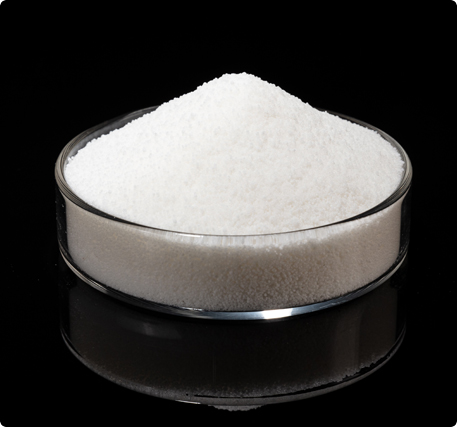
· White or off-white waxy powder, flake, or bead; may appear as a white to light yellow viscous liquid under specific formulations or elevated temperatures
· Soluble in fats and oils, slightly soluble in water
· Safe for food and cosmetic applications
· Enhances texture, creaminess, and stability
Natural and Industrial Sources of Glycerol Monostearate
1. Plant-Based Sources
Most commercial glyceryl monostearate is derived from vegetable oils, which makes it suitable for vegetarian and vegan products. Common plant sources include:
Palm oil – widely used due to high stearic acid content
Coconut oil – preferred for certain dairy and confectionery applications
Soybean oil – sometimes used as a feedstock
Advantages:
· Suitable for vegetarian and vegan products
· A consistent fatty acid profile ensures stable emulsions
· Widely accepted in clean-label formulations
These oils undergo esterification with glycerol to produce GMS. Plant-based GMS emulsifier is generally neutral in flavor, non-toxic, and highly versatile. Vegetable-derived GMS is preferred in bakery, spreads, chocolate, and dairy applications where plant-based ingredients are required.
2. Animal Sources
Glycerol monostearate (GMS) can also be produced from animal fats, such as tallow or lard, which are rich in stearic acid. These fats are processed via glycerol esterification to form monoglycerides.
Advantages:
· May provide slightly different melting behavior or crystallization properties
· Used in certain industrial, confectionery, or personal care products
Considerations:
· Not suitable for vegetarian or vegan products
· Requires strict processing to meet food safety standards
· Animal-sourced GMS is now very rare in mainstream food applications and is primarily used in niche markets, while plant-based GMS dominates the global food industry
3. Synthetic or Refined Sources
Some manufacturers produce GMS by esterifying purified stearic acid with glycerol under controlled conditions.
Advantages:
· High purity and consistent performance
· Low odor and neutral taste
· Ideal for sensitive applications like dairy, chocolate, and cosmetics
· Synthetic or highly refined GMS ensures predictable behavior in complex formulations, such as frozen desserts or spreads.
Manufacturing Process of Glycerol Monostearate at Chemsino
At Chemsino, glycerol monostearate is produced using glycerol and fully hydrogenated vegetable oil as the main raw materials. The hydrogenated oil is derived from highly hydrogenated palm oil, while the glycerol is obtained through the hydrolysis of the same hydrogenated oil, ensuring raw material consistency.
Through a controlled interesterification process between glycerol and the hydrogenated oil, a 40% monoglyceride (GMS 40) is first produced. This product then undergoes molecular distillation to obtain high-purity monoglycerides with 90% or higher monoglyceride content, commonly known as distilled monoglycerides (DMG). Finally, the monoglycerides are processed through spray granulation and sieving to achieve the finished physical form.
Other grades, such as GMS 52 and GMS 60, are produced by precisely blending the initial GMS 40 with distilled monoglycerides, allowing Chemsino to deliver consistent, application-specific monoglyceride contents.
Why the Source of GMS Matters
The source of GMS affects its functionality and compatibility in different formulations:
1. Vegetable-derived GMS is ideal for clean-label and vegetarian products.
2. Animal-derived GMS may offer slightly different melting or crystallization behavior.
3. High-purity, refined GMS ensures stable emulsions, consistent texture, and longer shelf life.
4. Selecting the right source helps manufacturers control product quality, maintain consistency, and meet regulatory requirements.
Final Thoughts
Glycerol monostearate (GMS) is primarily derived from vegetable oils (especially palm oil), although some products are also sourced from animal fats or through synthetic or refined processes. Understanding its origin helps you choose the best ingredient to achieve stable emulsions and good market acceptance, especially for vegetarian, vegan, or specialized formulations.
All glycerol monostearate offered by Chemsino is plant-derived and holds international certifications such as Halal and Kosher. If your formulation requires GMS emulsifier or you have any related questions, please feel free to contact us.