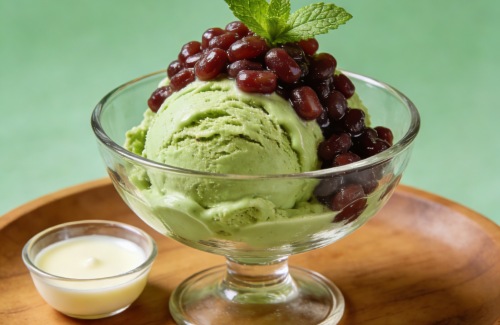
In ice cream production, although emulsifiers are used in small quantities, they significantly influence the interaction of air, fat, and water during freezing and storage. This blog will explain how emulsifiers affect ice cream overrun, texture, and structure, how to choose the right emulsifier, and practical considerations.
What Emulsifiers Do in Ice Cream
Emulsifiers are surface-active ingredients that help manage interactions between fat, water, and air. In ice cream, they partially replace milk proteins at the fat–water interface, allowing fat droplets to interact more easily during freezing and whipping.
Overrun refers to the amount of air incorporated into ice cream during freezing. It directly affects:
· Ice cream volume · Lightness and texture · Production yield
Role of Emulsifiers in Overrun
Emulsifiers help partially destabilize fat globules, allowing them to form a weak network that traps air bubbles more effectively. This leads to:
· Better air incorporation · More uniform air cells · Improved overrun control
Without emulsifiers, air bubbles collapse easily, resulting in dense and heavy ice cream.
Impact on Ice Cream Body and Mouthfeel
Creating a Creamy Body
The “body” of ice cream refers to how it feels when scooped and eaten. Emulsifiers improve body by:
· Promoting controlled fat destabilization · Supporting a smooth fat–air network · Reducing coarse or sandy texture
This results in ice cream that feels rich, creamy, and smooth, even at lower fat levels.
Reducing Icy Texture
By improving fat and air distribution, emulsifiers help limit ice crystal growth, especially during temperature fluctuations. This keeps the ice cream smooth throughout its shelf life.
Improving Ice Cream Structure and Stability
Foam and Fat Structure
Emulsifiers strengthen the structural framework of ice cream by:
· Stabilizing air cells · Supporting fat agglomeration · Preventing air collapse during storage
This structure ensures ice cream maintains its shape and consistency after hardening and during scooping.
Meltdown Control
Proper emulsifier use improves meltdown resistance, meaning ice cream melts evenly instead of separating into foam and liquid. This is especially important for:
While emulsifiers control fat and air, stabilizers focus on water management and ice crystal control. In ice cream, they are usually used together:
Emulsifiers: improve overrun, body, and structure
Stabilizers: control ice crystals, enhance viscosity, and retain water (e.g., Xanthan Gum (E415))
This synergy creates ice cream that is smooth, stable, and long-lasting, with improved texture and melt resistance.
Emulsifier Selection and Balance
Different emulsifiers deliver different functional effects:
·Mono- and diglycerides: Improve body and melt resistance · Polysorbates: Enhance overrun and air cell stability · Sorbitan esters: Help fine-tune fat destabilization
In many formulations, emulsifier blends or dedicated ice cream emulsifiers are are used to balance overrun, body, and structure according to product positioning—premium, standard, or low-fat ice cream.
Practical Considerations for Manufacturers
To optimize emulsifier performance in ice cream:
1. Match emulsifier type to fat level and processing conditions
2. Control dosage to avoid over- or under-destabilization
3. Evaluate interactions with stabilizers such as gums or carrageenan
4. Conduct pilot trials to fine-tune texture and melt behavior
Conclusion
The correct selection and use of emulsifiers have a significant impact on the overrun, texture, and structure of ice cream. By controlling fat stability and air incorporation, they help produce ice cream with an appealing appearance and stable structure. Chemsino offers a variety of single and specialized ice cream emulsifiers with no minimum order quantity. Please feel free to contact us for more details.