How Consistent Food Emulsifier Quality Impacts Large-Scale Manufacturing
Date:2026-02-04
Read:
Share:
In large-scale food production, variations in the purity, HLB value, or particle size of emulsifiers can lead to product defects and reduced processing efficiency. High-quality emulsifiers contribute to product uniformity and consumer satisfaction.
This blog primarily explores the impact of emulsifier quality consistency on product stability, processing efficiency, shelf life, and regulatory compliance in large-scale food production.
1. Impact on Product Consistency
Maintaining Uniform Texture and Appearance
Large-scale production requires every batch to meet strict quality standards. Consistent food emulsifier quality ensures smooth, creamy, and stable textures across production runs.
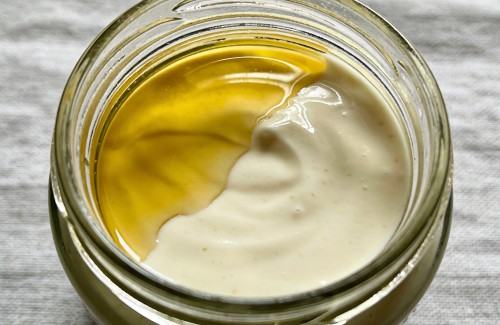
In practical applications, poor-quality or inconsistent emulsifiers can cause visible oil separation in salad dressings, uneven fat distribution in bakery shortening, or grainy textures in spreads and fillings. Even with unchanged formulations, variations in emulsifier purity or HLB value may lead to batch-to-batch differences.
These defects reduce visual appeal and mouthfeel and can result in customer complaints, rejected batches, and increased returns.
2. Impact on Production Efficiency
Reducing Processing Time and Energy Consumption
In industrial food manufacturing, predictable emulsifier performance is essential for efficient processing. Consistent emulsifiers disperse quickly and allow target textures to be achieved without excessive mixing or prolonged processing.
If emulsifier quality fluctuates, manufacturers may need to increase shear force, adjust temperatures, or repeat mixing steps to compensate—resulting in slower production lines and higher energy consumption, especially in automated systems.
Minimizing Waste and Downtime
In large-scale production, ingredient variability can quickly lead to instability and waste. Inconsistent emulsifier performance may cause separation during holding, pumping, or transfer, requiring rework or disposal of products.
For example, instability in sauces or emulsified fillings can result in line stoppages and additional cleaning. Standardized, high-quality emulsifiers help reduce unplanned downtime and maintain predictable production output.
3. Impact on Shelf Life and Product Stability
Emulsifier quality plays a critical role in shelf life and long-term stability. High-quality emulsifiers help prevent common destabilization mechanisms such as creaming, coalescence, and phase separation.
In practical applications, consistent emulsifier performance supports stable oil dispersion in beverages, uniform fat distribution in baked goods, and smooth texture in ice cream during frozen storage.
This consistency is especially important for products distributed through long supply chains, where temperature fluctuations and extended storage can reveal weaknesses in emulsifier performance. Poor consistency may lead to visible separation or texture breakdown before products reach consumers.
4. Regulatory and Compliance Considerations
Consistent emulsifier quality also ensures compliance with food safety standards and regulations. Variations in purity, composition, or performance can create challenges for labeling, certifications, or export approvals. Manufacturers sourcing from trusted suppliers and maintaining rigorous quality control can reduce compliance risks and support smoother market access.
Best Practices for Ensuring Consistent Emulsifier Quality
To maintain consistent food emulsifier performance, manufacturers should:
· Source from a reliable supplier with proven quality control, such as Chemsino.
· Conduct regular quality testing, including purity, HLB value, and acid value checks.
· Collaborate with technical teams to optimize emulsifier dosage and application methods.
· Monitor production lines for any deviations and adjust formulations proactively.
Implementing these practices ensures product consistency, operational efficiency, and long-term stability.
Conclusion
The consistent quality of emulsifiers impacts product uniformity, processing efficiency, shelf life, and regulatory compliance, and promotes sustainable operations. As a trusted supplier, Chemsino offers a variety of emulsifier solutions, including food-grade monoglycerides, propylene glycol, polysorbates, and more, helping you achieve high-quality results in every batch of your products.