Home
Products
Emulsifier List
Application
Gallery
News
Blog
About Us
About Us
Contact Us
Your Position : Home > Blog

What Is Whipping Cream Powder for Cake

Date:2025-07-11
Read:
Share:
When it comes to decorating and enhancing the flavor of cakes, whipping cream is one of the most essential components. But in professional kitchens and food factories, there’s often a need for a more convenient, shelf-stable alternative to fresh cream. That’s where whipping cream powder comes in.

If you're a baker, a food manufacturer, or simply someone who enjoys baking at home, understanding what whipping cream powder is—and how it works—can help you save time, reduce waste, and maintain consistent quality in your cake products.


What Is Whipping Cream Powder?


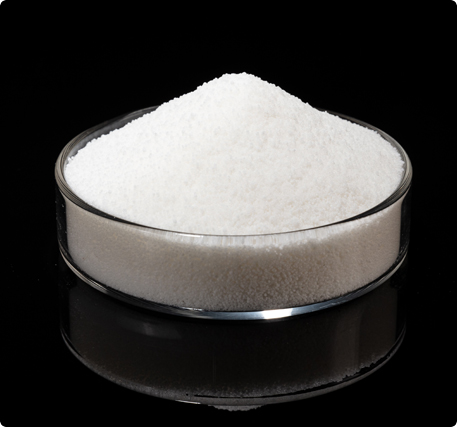
Whipping cream powder is a spray-dried powder made from a blend of vegetable fats (or dairy fats), milk proteins, glucose syrup, stabilizers, and emulsifiers. It is specifically designed to replicate the function and taste of fresh whipped cream—while offering a longer shelf life and improved storage flexibility.

Once mixed with cold water or milk, the powder turns into a light, fluffy, and stable whipped cream suitable for cake decorating, layering, and filling.

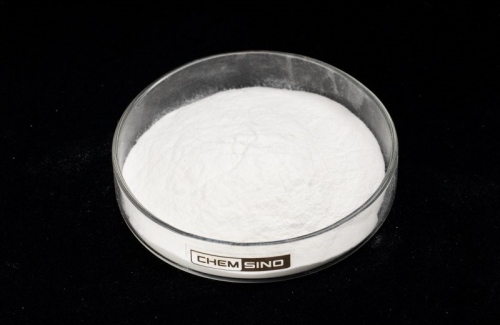
 Whipping Cream Powder Chemsino


Benefits of Whipping Cream Powder in Cake Production


1. Shelf-Stable and Easy to Store

Unlike fresh cream, cream powder for cakes requires no refrigeration until after preparation. This makes it ideal for bakeries and manufacturers in regions with limited cold-chain infrastructure.

2. Reliable Whipping Performance

Whipping cream powder is formulated to whip consistently under controlled conditions. It forms stable peaks that don’t collapse easily, even when applied to chilled or frozen cakes.

3. Versatile in Application

From frostings and fillings to mousse layers and roll cake centers, the whipped cream made from powder can be flavored, colored, and customized easily. It’s compatible with chocolate, fruit puree, coffee, and vanilla.

4. Cost-Effective for Commercial Use

Its long shelf life (typically 12–24 months) and lightweight format make shipping and storage more economical. Plus, you only mix what you need, reducing product waste.


How to Use Whipping Cream Powder for Cake?


Here’s a simple step-by-step guide:

Mixing Ratio: Combine whipping cream powder with cold water (typically 1 part powder to 1.5 parts cold water by weight).

Chilling: Use water chilled to 5–10°C for best results.

Whipping: Beat with a hand or stand mixer on high speed for 3–5 minutes, or until stiff peaks form.

Application: Use the whipped cream immediately to frost cakes or store in the fridge for up to 48 hours.

Always check product-specific instructions as different brands may vary.


Common Applications in Cake Baking


Birthday and celebration cakes

Swiss roll filling

Cupcake toppings

Mousse cake layers

Frozen desserts and pastries

The powder’s high overrun (volume increase after whipping) and stable texture make it a favorite for both industrial bakeries and artisan cake shops.

Whipping cream powder for cakes


Whipping Cream Powder vs Fresh Dairy Cream

 
Feature Whipping Cream Powder Fresh Cream
Storage Room temperature Requires refrigeration
Shelf Life 12–24 months 7–10 days
Whipping Time 3–5 minutes 2–4 minutes
Stability Very stable Less stable under heat
Cost Efficiency High Medium


Final Thoughts


If you're in the cake business—whether running a commercial facility or a small bakery—whipping cream powder for cake offers a practical and reliable solution. It saves time, improves consistency, and extends shelf life without compromising on taste or texture.

At CHEMSINO, we offer high-quality food-grade whipping cream powders tailored for bakery applications. Our products are widely used by manufacturers across Asia, South America, and the Middle East.

Contact us today to request samples or technical support.
Related Blog
What Is Glyceryl Monostearate Used For
21 Oct 2024
Glyceryl monostearate (GMS) is an important ingredient in many products, ranging from food items to cosmetic formulations. This article provides an overview of glyceryl monostearate (GMS), detailing its characteristics, uses, and advantages. It highlights its effectiveness as an emulsifier, thickener, and moisturizer, emphasizing its role in food and cosmetics. It also draws comparisons with glyceryl stearate.
Functions and Uses of LACTEM 472b Emulsifier in Food
25 Jan 2024
Emulsifier E472b, also known as LACTEM, is a food additive that falls under the category of emulsifiers. It helps improve texture, stability, and shelf life by preventing the separation of water and oil components in the food. This article aims to explore the functions and uses of 472b emulsifier in food.
Glycerol Monostearate (GMS) vs. Sodium Stearoyl Lactylate (SSL): Which is Best for Your Application?
30 Aug 2024
When it comes to food emulsifiers, two of the most widely used ingredients in the industry are Glycerol Monostearate (GMS) and Sodium Stearoyl Lactylate (SSL). Both serve as essential components in various food formulations, but they offer different functionalities that cater to specific applications. Understanding the similarities and differences between GMS and SSL can help food manufacturers choose the right emulsifier for their products. This article provides a detailed comparison of GMS and SSL, focusing on their common features and differences.
Start earning substantial
profits in your country today!
Email
Whatsapp