Propylene glycol is used in food, pharmaceutical, cosmetic, and other applications. While food grade and USP grade propylene glycol have the same basic chemical identity, they are produced and supplied according to different quality standards and intended uses.
Food grade propylene glycol is designed for suitable food applications, while USP grade propylene glycol is intended to meet pharmacopeial requirements for pharmaceutical and other high-purity applications. The main differences involve quality specifications, impurity control, documentation, and regulatory requirements.
Choosing the right grade depends on how and where the product will be used. This article explains the key differences between food grade and USP grade propylene glycol and helps buyers select the appropriate product for their application.
What Is Propylene Glycol?
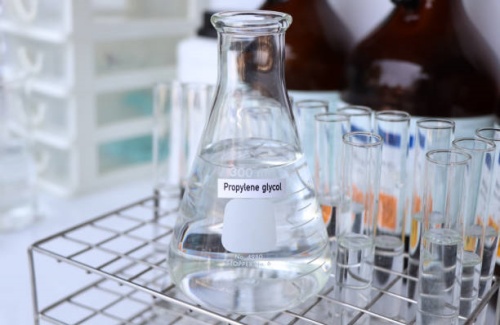
Propylene glycol is a clear, colorless, nearly odorless liquid with the chemical formula C₃H₈O₂. Its chemical name is 1,2-propanediol, and its CAS number is 57-55-6.
It is widely used because of several useful properties. Propylene glycol is miscible with water, can dissolve or help disperse certain ingredients, and can function as a humectant, solvent, carrier, or processing aid depending on the application.
In the food industry, it may be used in selected products as a humectant, solvent, or carrier. In pharmaceutical and personal care formulations, it is commonly used as a solvent and excipient.
However, the same chemical can be supplied according to different quality standards. This is where the distinction between food grade and USP grade becomes important.
The Main Difference Between Food Grade and USP Grade Propylene Glycol
The basic chemical substance is the same: propylene glycol. The main differences are related to the standards used to evaluate the product and the intended applications.
| Aspect |
Food Grade Propylene Glycol |
USP Grade Propylene Glycol |
| Basic chemical |
Propylene glycol |
Propylene glycol |
| Main standard |
Food regulations and applicable food specifications |
United States Pharmacopeia specifications |
| Primary applications |
Food and beverage applications |
Pharmaceutical formulations and related applications |
| Typical function |
Humectant, solvent, carrier, processing aid |
Solvent, excipient, carrier, humectant |
| Regulatory focus |
Food safety and food additive compliance |
Pharmaceutical quality and pharmacopeial compliance |
| Documentation |
Food-related specifications and quality documents |
USP-related specifications and pharmaceutical quality documentation |
This comparison provides a general overview. The actual specification and documentation required should always be confirmed according to the application and destination market.
Is USP Grade Propylene Glycol Better Than Food Grade?
Not necessarily. USP grade propylene glycol is designed to meet pharmacopeial requirements, but that does not automatically mean every food manufacturer needs USP grade material.
For example, if a manufacturer produces a food product and the relevant regulations require a suitable food-grade propylene glycol, purchasing USP grade material may increase costs without providing a practical advantage.
On the other hand, a pharmaceutical manufacturer may require a product that meets USP specifications. In that situation, food grade propylene glycol may not provide the documentation or quality standard required for the application.
The best grade is therefore not always the one with the highest perceived purity. It is the grade that meets the technical and regulatory requirements of the intended product.

Can USP Grade Propylene Glycol Be Used in Food?
This question requires careful consideration. A USP grade product may have a high level of purity, but pharmaceutical compliance alone does not automatically confirm that the product is approved or suitable for use in a specific food application or market.
Food manufacturers should verify that the product also meets the relevant food requirements for the destination country.
The reverse is also true. A food grade propylene glycol product should not automatically be used in pharmaceutical applications unless it meets the required pharmacopeial specifications and documentation.
The grade name on the label is therefore not enough. Buyers should check the actual specifications, certifications, and regulatory suitability.
Can Food Grade Propylene Glycol Be Used in Pharmaceuticals?
Generally, pharmaceutical manufacturers should select propylene glycol that meets the required pharmaceutical or pharmacopeial standard.
A product sold only as food grade may not meet the specification, documentation, or quality requirements needed for pharmaceutical manufacturing.
This is particularly important for products with direct patient exposure. Pharmaceutical companies usually have their own supplier qualification and quality requirements, which may include additional documentation and testing.
For pharmaceutical use, buyers should always follow the requirements of the applicable pharmacopeia and the regulations of the target market.

Food Grade vs USP Grade Propylene Glycol in Cosmetics
The situation is slightly different in cosmetic and personal care products. Depending on the formulation and market, manufacturers may choose either food grade or USP grade propylene glycol if the product meets the applicable cosmetic regulations and the company's internal quality requirements.
USP grade is sometimes preferred for products where manufacturers want tighter quality control or a higher-purity raw material. However, the use of USP grade should be based on formulation and regulatory requirements rather than marketing claims alone.
Cosmetic manufacturers should also consider the documentation their customers require, including specifications, safety information, and relevant regulatory declarations.
Which Grade of Propylene Glycol Should You Choose?
The first question should always be:
What will the propylene glycol be used for?
For food and beverage applications, buyers should select a grade that meets applicable food requirements and suits the destination market.
For pharmaceutical applications, the material should meet the relevant pharmacopeial or pharmaceutical specifications required by the manufacturer and regulatory authorities.
For cosmetics and personal care products, the appropriate grade depends on the formulation, customer requirements, internal quality standards, and local regulations.
Before placing an order, it is useful to confirm the following with the supplier:
# Product grade and applicable standard
# Certificate of Analysis
# Product specification sheet
# Manufacturing and quality management certifications
# Impurity profile, where required
# Regulatory documentation
# Batch-to-batch consistency
# Packaging and storage conditions
Asking these questions before placing a large order can prevent costly problems later.
What Should Buyers Check When Purchasing Propylene Glycol?
For B2B buyers, choosing propylene glycol involves more than comparing prices.
The first step is confirming the exact grade required for the application. A food manufacturer may need food grade propylene glycol, while a pharmaceutical customer may require USP grade material.
Next, buyers should compare the actual specification sheets rather than relying only on product names. Assay, water content, acidity, impurities, and other parameters should be reviewed according to the applicable standard.
Documentation is equally important. A supplier should be able to provide a current Certificate of Analysis and other documents required for the intended application.
Finally, long-term consistency should be considered. A competitive sample price is less valuable if future batches show significant differences in quality or documentation.
For regular industrial or food production, supplier reliability can have a direct impact on manufacturing efficiency and product quality.
Food Grade vs USP Grade: A Practical Example
Imagine two manufacturers purchasing propylene glycol. The first company produces flavor preparations for food applications. Its main requirements are that the propylene glycol is suitable for food use, meets the relevant specifications, and complies with the requirements of the destination market. In this case, a suitable food grade product may be the most practical choice.
The second company manufactures a pharmaceutical liquid formulation. Its quality department requires raw materials that meet specific pharmacopeial standards and must be supported by detailed quality documentation. In this case, USP grade propylene glycol may be required.
Both manufacturers may purchase the same basic chemical. However, the required quality standard and documentation are different because the intended applications are different.
Final Thoughts
Food grade and USP grade propylene glycol share the same basic chemical identity, but they are designed and supplied according to different quality and regulatory requirements.
Food grade propylene glycol is intended for suitable food applications and should comply with the relevant food standards of the destination market. USP grade propylene glycol is associated with pharmaceutical quality requirements and is intended for applications that require compliance with pharmacopeial specifications.
The most important point is that neither grade should be considered automatically better in every situation. The right choice depends on the intended application, regulatory requirements, product specifications, and documentation required by the customer.
Before purchasing, propylene glycol manufacturers should clearly communicate their application and destination market to the supplier. This makes it easier to select the correct grade and avoid unnecessary costs or compliance problems.

 Emulsifier List
 About Us