Home
Products
Emulsifier List
Application
Gallery
News
Blog
About Us
About Us
Contact Us
Your Position : Home > Blog

What Is Polysorbate 40? Properties, Uses and Applications

Date:2026-09-02
Read:
Share:
Polysorbate 40 is a nonionic emulsifier and solubilizer used in food, cosmetics, pharmaceuticals, and other formulations. Its main role is to help oil-based and water-based ingredients work together more effectively, improving dispersion and reducing the risk of separation.

In food applications, Polysorbate 40 can be used where stable emulsification or improved dispersion of hydrophobic ingredients is required. It is also known as E434 in some regulatory systems.

However, knowing that Polysorbate 40 is an emulsifier is only the starting point. Its chemical structure, physical properties, formulation behavior, and regulatory status all affect where and how it can be used. This article explains what Polysorbate 40 is, how it works, its main applications, and what buyers should consider when selecting a suitable product.


What Is Polysorbate 40 Made From?


Polysorbate 40 is a nonionic surfactant produced by reacting sorbitan monopalmitate with ethylene oxide. Its chemical name is commonly given as Polyoxyethylene (20) Sorbitan Monopalmitate, and it is also widely known as Tween 40.

The number in the polysorbate name provides useful information about the fatty acid associated with the molecule. Within the commonly used polysorbate series, Polysorbate 20 is associated with lauric acid, Polysorbate 40 with palmitic acid, Polysorbate 60 with stearic acid, and Polysorbate 80 with oleic acid.

These structural differences influence how each emulsifier behaves in a formulation. For this reason, Polysorbate 20, 40, 60, and 80 should not automatically be treated as interchangeable products.

Key Properties of Polysorbate 40


Polysorbate 40 combines a hydrophilic polyoxyethylene sorbitan structure with a lipophilic fatty acid component. This gives it the ability to interact with both water and oil, making it useful in emulsification and solubilization systems.
 
Property Detail
Common Name Polysorbate 40 (Tween 40)
Chemical Name Polyoxyethylene (20) Sorbitan Monopalmitate
CAS Number 9005-66-7
EINECS Number 618-421-9
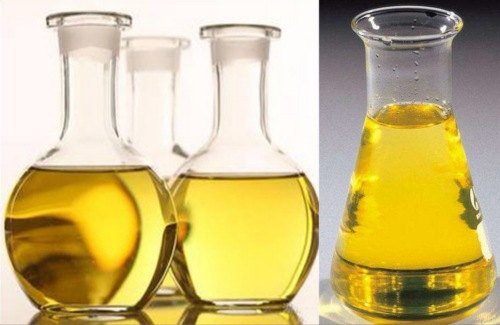
Appearance Yellow to orange viscous liquid or gel
Solubility Water-soluble; can help disperse hydrophobic ingredients
pH (5% aqueous solution) Product specification dependent
Food Additive Number E434 in applicable regulatory systems

When comparing products from different suppliers, buyers should always refer to the supplier's own specification sheet and Certificate of Analysis. Physical properties and quality parameters can vary depending on the manufacturing process, product grade, and intended application.


How Does Polysorbate 40 Work in a Formulation?


Like other polysorbates, Polysorbate 40 contains both hydrophilic and lipophilic parts. This structure lets it sit at the interface between oil and water. By reducing the tension between the two phases, it can help form a more stable and uniform system.

In practical terms, Polysorbate 40 may support several functions. It can act as an emulsifier in suitable oil-in-water systems, help solubilize certain oil-soluble ingredients in aqueous formulations, and improve the dispersion of hydrophobic materials such as flavors or other oil-based components.

Its relatively hydrophilic nature makes Polysorbate 40 better suited to oil-in-water systems than water-in-oil systems. In some formulations, it may also be combined with other emulsifiers, including more lipophilic ingredients, to achieve the desired balance and improve overall stability.

The final performance will always depend on the formulation itself. The type of oil, the concentration of each phase, processing conditions, and other ingredients can all influence how well the emulsifier performs.


Polysorbate 40 Applications in Food


For a food ingredient supplier or manufacturer, the most important question is often not simply what Polysorbate 40 is, but where it can provide practical value.
In suitable food formulations, Polysorbate 40 can help stabilize systems containing both oil and water and improve the distribution of hydrophobic ingredients. It may also be used where improved dispersion of flavors or other oil-soluble components is needed.

Potential food applications may include selected flavored products, bakery ingredients, dessert systems, and other processed foods where emulsification or ingredient dispersion is important. The actual suitability of Polysorbate 40 depends on the formulation and the regulations that apply to the target market.

Manufacturers should therefore avoid selecting an emulsifier based on its general function alone. The intended food category, local food additive regulations, formulation requirements, and processing conditions should all be considered before use.


Other Applications of Polysorbate 40


Outside the food industry, Polysorbate 40 is also used in cosmetics, personal care products, and certain pharmaceutical or related formulations.

In cosmetic and personal care products, it may help disperse fragrance oils and other oil-soluble ingredients in water-based systems. It can be found in products such as cleansers, lotions, hair care products, and fragrance-containing formulations.

In pharmaceutical applications, Polysorbate 40 may be used as an emulsifying or solubilizing agent. However, the quality requirements for pharmaceutical use can be different from food-grade requirements. Buyers should always identify the intended application before selecting a product or requesting a quotation.

Polysorbate 40 vs Other Polysorbates


Polysorbate 40 is often compared with Polysorbate 20, Polysorbate 60, and Polysorbate 80. Although these products belong to the same emulsifier family, the fatty acids associated with them are different, which can influence their physical properties and performance.
 
Product Associated Fatty Acid Typical Characteristics
Polysorbate 20 Lauric acid Commonly used for solubilization and oil-in-water systems
Polysorbate 40 Palmitic acid Used in selected emulsification and solubilization systems
Polysorbate 60 Stearic acid Commonly used in emulsification systems
Polysorbate 80 Oleic acid Commonly used for emulsifying and dispersing oils

The most suitable polysorbate should be selected based on the formulation rather than simply choosing the most familiar product. The oil phase, processing conditions, other emulsifiers, and the desired characteristics of the finished product should all be considered.


Two products from the same polysorbate family may appear similar on paper but produce different results in practice. For this reason, formulation testing is often necessary when replacing one emulsifier with another.

What Is the Difference Between Polysorbate 40 and Span 40?


Polysorbate 40 and Span 40 are closely related because both are associated with sorbitan monopalmitate. However, they have very different hydrophilic-lipophilic characteristics.

Span 40 is generally known as sorbitan monopalmitate and is more lipophilic than Polysorbate 40. It is therefore generally associated with more water-in-oil-oriented applications or used alongside more hydrophilic emulsifiers.

Polysorbate 40 contains polyoxyethylene groups that make it more hydrophilic. As a result, it is generally better suited to oil-in-water emulsification and solubilization systems.

In some formulations, Span and Polysorbate emulsifiers may be used together to achieve a more suitable emulsifier balance. The right combination depends on the characteristics of the oil phase and the stability required for the finished product.

How to Choose a Polysorbate 40 Supplier


When purchasing Polysorbate 40, price is only one part of the decision. Buyers should first confirm the intended application because food, cosmetic, and pharmaceutical applications may require different product grades and quality standards.

The product specification and Certificate of Analysis should also be reviewed carefully. Important quality parameters may vary depending on the grade and intended application. Rather than comparing a single number from one supplier against another, buyers should consider the overall specification profile and whether the supplier can maintain stable quality from batch to batch.

For food applications, regulatory compliance should also be confirmed for the destination market and intended food category. Buyers may need supporting documents such as a Certificate of Analysis, product specification sheet, Safety Data Sheet, and other relevant declarations or certifications.

A reliable supplier should be able to provide clear product information and support customers during the evaluation process. When possible, testing a sample in the actual formulation before placing a large order is the most practical way to confirm suitability.

Storage and Handling of Polysorbate 40


Polysorbate 40 should generally be stored in a cool, dry environment away from excessive heat and direct sunlight. Its viscosity and physical appearance can be influenced by temperature, so storage conditions should follow the supplier's recommendations.

Before using the product in production, manufacturers should ensure that it is handled and mixed according to the requirements of the specific formulation. Storage and processing conditions can influence product handling, particularly when the material is used in temperature-sensitive manufacturing environments.

For long-term storage or large-scale production, buyers should follow the packaging, storage, and handling instructions provided for the specific product grade they purchase.

Is Polysorbate 40 Safe?


The safety and permitted use of Polysorbate 40 depend on the regulatory framework, product grade, intended application, and destination market.

For food use, manufacturers should confirm that the product complies with the applicable food additive regulations and is used only in permitted food categories and within relevant usage conditions. Requirements may differ between markets, so regulatory verification should be completed before the product is introduced into a new formulation.

The same principle applies to cosmetic and pharmaceutical applications, where different quality and regulatory requirements may apply. Terms such as "food-grade" and "pharmaceutical-grade" should therefore be supported by appropriate product specifications and documentation rather than treated simply as general product descriptions.

Final Thoughts


Polysorbate 40 is a versatile nonionic emulsifier and solubilizer that can help manufacturers manage systems containing both oil and water. Its hydrophilic nature makes it useful in suitable oil-in-water emulsions and in formulations where improved dispersion of hydrophobic ingredients is required.

However, choosing the right Polysorbate 40 involves more than comparing prices or selecting a product based only on its name. The intended application, product specifications, physical characteristics, regulatory requirements, and batch consistency should all be considered.

For food manufacturers, application testing and regulatory verification are particularly important when developing a new formulation or evaluating an alternative supplier. The right product should not only meet the required specification but also perform reliably in the actual production process.

Looking for a Polysorbate 40 Supplier?


CHEMSINO supplies Polysorbate 40 and other food-grade emulsifiers for customers in the global food industry.

If you are looking for a reliable Polysorbate 40 supplier, need product specifications or quality documentation, or are evaluating an emulsifier for your food application, CHEMSINO can provide product information and support based on your requirements.
Related Blog
What Is Polysorbate 40 In Food? Properties & Uses
07 Jun 2024
Polysorbate 40, or Tween 40, scientifically known as polyoxyethylene (20) sorbitan monopalmitate, is an important additive widely used in the food industry, famous for its role as an emulsifier and surfactant. As part of the polysorbate family, Polysorbate 40 shares many functional properties with its relatives, such as Polysorbate 20 and Polysorbate 80. This article delves into the properties, uses, and benefits of Polysorbate 40 in food applications.  
Polyglycerol Esters (PGE) buying guidance
How to Choose the Right Polyglycerol Esters (PGE) for Your Application
22 Apr 2026
Polyglycerol esters (often called PGE) are widely used in modern food production, especially in products that require stable emulsions and consistent texture. You will see them in margarine, beverages, whipped toppings, sauces, and many bakery systems.
5 Common Problems in Bread Making and Emulsifier Solutions
09 Dec 2025
Bread is one of the most widely consumed foods globally, yet achieving consistent quality in large-scale production can be difficult. Problems like weak dough, low loaf volume, dryness, and short shelf life often affect both product texture and consumer satisfaction. Emulsifiers play an essential role in solving these challenges by strengthening dough, improving crumb structure, and helping bread stay soft for longer. This article introduces the common issues in bread production and explains how different emulsifiers offer effective, reliable solutions for modern bakeries.
Start earning substantial
profits in your country today!
Email
Whatsapp