Home
Products
Emulsifier List
Application
Gallery
News
Blog
About Us
About Us
Contact Us
Your Position : Home > Blog

Key Specifications to Consider When Buying Sodium Stearoyl Lactylate (SSL)

Date:2026-08-31
Read:
Share:
Sodium Stearoyl Lactylate (SSL) is widely used as a food emulsifier in bread, buns, cakes, frozen dough, and other bakery products. It can help strengthen dough, improve gas retention, support loaf volume, and contribute to a softer and more uniform crumb structure. 

For buyers, however, choosing SSL is not simply a matter of finding a product with the lowest price. Two products can carry the same name and meet the same general food-grade requirements, yet show differences in composition, physical properties, batch consistency, and performance during production. Knowing which specifications matter—and how to interpret them—can make it much easier to compare SSL suppliers and avoid problems after switching to a new product. 

What Is Sodium Stearoyl Lactylate?


Sodium Stearoyl Lactylate, commonly known as SSL, is an emulsifier produced from stearic acid and lactic acid and converted into its sodium salt form. It is commonly identified as E481 or INS 481(i) and is widely used in bakery applications.

In bread production, SSL interacts with components of the dough system and can help improve dough strength and gas retention. This can contribute to better dough handling, loaf volume, crumb structure, and eating quality. Its performance, however, depends on the product itself as well as the flour, enzymes, processing conditions, dosage, and other ingredients used in the formulation.


Which SSL Specifications Should Buyers Check?


A Certificate of Analysis (COA) is normally the first document to review when evaluating a Sodium Stearoyl Lactylate supplier. Important parameters commonly include acid value, ester value, sodium content, total lactic acid, and relevant purity or safety indicators.

These figures help confirm whether the product meets the agreed specification, but they should not be viewed in isolation. A product can meet all the basic chemical requirements and still behave differently from another SSL during mixing or baking. For this reason, a good purchasing evaluation combines chemical specifications, physical characteristics, application performance, and batch consistency.

1. Acid Value


Acid value is one of the key parameters used to evaluate Sodium Stearoyl Lactylate. It indicates the amount of free acidic components in the product and is generally expressed as mg KOH/g.
JECFA specifications list an acid value of 60–130 mg KOH/g for Sodium Stearoyl Lactylate. The exact specification required for commercial purchasing may vary according to the applicable regulation, customer specification, and target market.

For buyers, the important point is not only whether the acid value falls within the permitted range. Consistency also matters. If the value changes significantly from batch to batch, the product may not provide the same level of predictability in long-term production. When evaluating a new supplier, reviewing COAs from several batches can therefore be more useful than looking at one sample alone.

2. Ester Value


Ester value provides additional information about the composition of Sodium Stearoyl Lactylate and is another important parameter on the specification sheet. JECFA lists an ester value range of 90–190 mg KOH/g for SSL.

Ester value should generally be considered together with acid value, sodium content, and total lactic acid rather than as an isolated indicator. Looking at the overall specification profile gives buyers a better understanding of whether the product is being manufactured consistently.

This is particularly relevant when comparing suppliers. Rather than asking which supplier has the "best" ester value, it is more useful to ask whether the supplier can consistently keep the product within the agreed specification over multiple production batches.

3. Sodium Content


Sodium content is another specification buyers should check because SSL is the sodium salt of stearoyl lactylic acids. JECFA specifications list sodium content at 2.5–5.0%.

The actual requirement for a purchase may depend on the applicable food additive standard and the customer's product specification. For international orders, the destination market should therefore be confirmed before the final specification is agreed.

This is particularly important for distributors supplying customers in different countries. Instead of assuming that one standard specification will work everywhere, buyers should tell the supplier where the SSL will be used and sold. This allows the supplier to confirm the relevant requirements before shipment.

4. Total Lactic Acid


Total lactic acid is another useful indicator of SSL composition. JECFA specifications list total lactic acid at 15–40%.

On its own, this figure does not tell a buyer how well the emulsifier will perform in bread. It becomes more meaningful when reviewed alongside acid value, ester value, sodium content, and other quality parameters.
For manufacturers purchasing SSL on a regular basis, consistency is especially important. A supplier should be able to maintain a relatively stable product profile across different batches instead of relying on a single batch that happens to meet the customer's requirements.

5. Appearance and Physical Form


Chemical specifications are only part of the evaluation. Physical form can also affect how easily SSL is handled and incorporated into a production process.

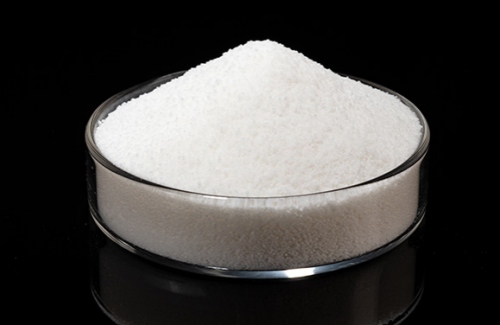
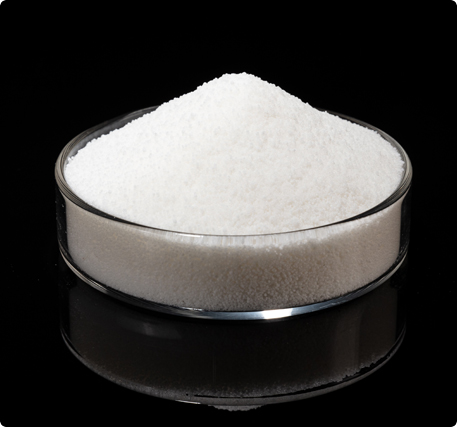
Sodium Stearoyl Lactylate may be supplied as a white to slightly yellowish powder, flakes, or brittle solid, depending on the product and manufacturing process. For a bakery premix manufacturer, for example, good flowability and easy dispersion may be important because the SSL needs to blend uniformly with flour and other dry ingredients.

Before purchasing, buyers should consider how the product will actually be used. Questions about powder handling, flowability, particle characteristics, dispersion, and storage can help determine whether a particular SSL product is a good fit for the existing process.

6. Heavy Metals and Food Safety


Food safety requirements should always be reviewed before purchasing a food-grade emulsifier. Heavy metal limits, including lead, should comply with the relevant requirements for the destination market. JECFA specifications, for example, include a maximum lead level of 2 mg/kg for Sodium Stearoyl Lactylate.

A reliable supplier should also be able to provide supporting quality and safety documentation. Depending on the customer's requirements, this may include a COA, Product Specification Sheet, Safety Data Sheet, allergen statement, Non-GMO statement, and relevant certifications.

The exact documents required will vary by market and application, but the supplier should be able to support the customer's quality review without unnecessary difficulty.

7. Regulatory Compliance


Regulatory compliance deserves particular attention when buying SSL for international markets. Sodium Stearoyl Lactylate is commonly identified as E481 or INS 481(i), but permitted applications, food categories, and usage requirements can differ between countries.

For example, a product intended for one market may require different documentation or regulatory verification when supplied to another. This is why buyers should identify the destination market and intended food application before placing a large order.

For distributors, this becomes even more important because the same SSL product may eventually be supplied to customers in several countries. Confirming regulatory requirements at the beginning can prevent delays or additional compliance work later.

8. Application Performance


A specification sheet can tell you whether an SSL product meets certain chemical requirements, but it cannot fully predict how the product will perform in your formulation.
For bakery manufacturers, useful application indicators may include dough strength, dough tolerance, gas retention, loaf volume, crumb structure, softness, and shelf-life performance. These factors can also be influenced by flour quality, water content, mixing conditions, enzymes, yeast, and other ingredients.

This is why application testing is strongly recommended when switching suppliers. Two SSL samples with similar chemical specifications may produce different results under the same production conditions. Testing the product in the actual formulation gives a much more realistic indication of whether it is suitable for long-term use.

9. Batch-to-Batch Consistency


One good sample does not necessarily mean one good supplier.
This is an important point when evaluating Sodium Stearoyl Lactylate for long-term purchasing. A supplier may provide an excellent first batch, but if subsequent shipments show noticeable variation, the production team may need to adjust the formula or processing conditions.

That can increase material waste, quality control work, and production costs. When evaluating a new supplier, buyers should consider requesting COAs from several recent batches and asking about the supplier's quality control procedures.

For large-scale food manufacturers, a slightly higher purchase price may be acceptable if the product provides much better consistency and reduces production uncertainty.

10. Supplier Technical Support


Technical support is often overlooked during the purchasing stage, especially when several suppliers appear to offer similar products.
In practice, technical communication can become very important when a customer is changing suppliers, developing a new bread formula, or trying to solve a problem with dough strength or finished product quality. A supplier that understands bakery applications can help customers determine whether the issue is related to emulsifier dosage, formulation, processing conditions, or the interaction between ingredients.

For this reason, supplier selection should consider more than price and specifications. A supplier that can provide samples, technical information, application guidance, and consistent communication may offer greater long-term value.

How to Evaluate an SSL Supplier


A practical way to compare Sodium Stearoyl Lactylate suppliers is to look at three areas: product quality, manufacturing consistency, and technical capability.

First, review the main chemical specifications, physical characteristics, food safety indicators, and regulatory documents. Then compare information from multiple batches to understand how consistently the supplier controls the product. Finally, consider whether the supplier can provide meaningful technical support when the SSL needs to be tested or introduced into a new formulation.

The supplier offering the lowest quotation is not necessarily the supplier offering the lowest total cost. A product that performs consistently can reduce formulation adjustments, production problems, and quality control costs over time.

A Practical SSL Purchasing Checklist


Before placing an order for Sodium Stearoyl Lactylate, buyers should confirm the following:

Chemical specifications: Acid value, ester value, sodium content, and total lactic acid.
Food safety: Heavy metals and other relevant safety indicators.
Regulatory compliance: Suitability for the destination market and intended food category.
Physical properties: Powder or flake form, flowability, handling, and dispersion.
Application performance: Results in the actual food formulation.
Batch consistency: COAs and quality records from multiple batches.
Documentation: COA, specification sheet, SDS, certifications, and required declarations.
Supplier capability: Manufacturing experience, quality control, technical support, and export experience.

Checking these factors before a large purchase can make supplier comparison much more straightforward and reduce the risk of unexpected problems during production.

Final Thoughts


Choosing Sodium Stearoyl Lactylate is about more than finding an E481 product at a competitive price. The chemical specification is an important starting point, but it should be considered alongside physical properties, food safety, regulatory compliance, application performance, and batch-to-batch consistency.

For bakery manufacturers, the most useful SSL is ultimately the one that works reliably in the actual production process. Reviewing several batches, requesting appropriate documentation, and conducting an application trial before switching suppliers can provide much more confidence than relying on a single COA or quotation.

CHEMSINO supplies food-grade Sodium Stearoyl Lactylate (SSL) and other food emulsifiers for bakery and food manufacturers worldwide. Our team can provide product specifications, quality documentation, samples, and application information according to customer requirements. Contact CHEMSINO to discuss your requirements and find a suitable solution.
Start earning substantial
profits in your country today!
Email
Whatsapp