Home
Products
Emulsifier List
Application
Gallery
News
Blog
About Us
About Us
Contact Us
Your Position : Home > Blog

Oil-in-Water vs Water-in-Oil Emulsions in Food

Date:2026-03-27
Read:
Share:
Emulsions are a fundamental concept in modern food processing. Many everyday foods—from milk and mayonnaise to butter and margarine—are actually emulsion systems where two immiscible liquids, typically oil and water, are combined and stabilized.

In the food industry, the two primary types of emulsions are oil-in-water (O/W) and water-in-oil (W/O) emulsions. Understanding the difference between these systems is essential for food manufacturers when selecting the right formulation strategy and emulsifiers.

This article will explore how these two emulsion systems work, their key differences, and their common applications in food production.


What Is an Emulsion?


An emulsion is a mixture of two liquids that normally do not mix, such as oil and water. One liquid is dispersed into tiny droplets within the other liquid, forming a stable system with the help of emulsifiers.

Without stabilizers, the droplets will quickly separate due to differences in density and polarity. Food emulsifiers—such as Glycerol Monostearate, Sodium Stearoyl Lactylate, and Polysorbate 80—help maintain stability by reducing surface tension between the oil and water phases. 

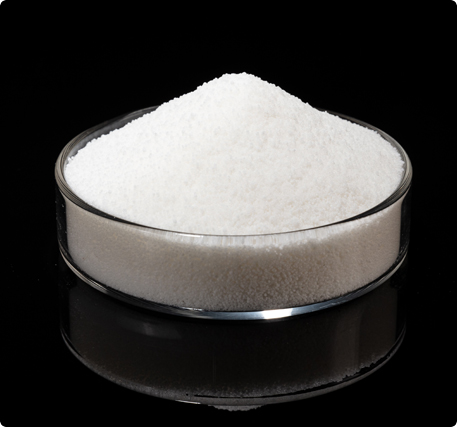
Glycerol Monostearate (GMS) emulsifier


Oil-in-Water (O/W) Emulsions


In an oil-in-water emulsion, oil droplets are dispersed within a continuous water phase. This means water is the major component, while oil exists as tiny droplets throughout the system.

I frequently see this type of emulsion used in products where light texture and fluidity are desired.


Typical Characteristics


From a formulation standpoint, O/W emulsions usually have:

· Water as the continuous phase
· Oil is dispersed as small droplets
· A lighter and smoother texture
· Lower overall fat content


Common Food Examples


Many foods that consumers encounter daily are O/W emulsions, including:

· Milk and dairy beverages
· Mayonnaise and salad dressings
· Ice cream
· Beverage flavor emulsions

When working with beverage formulations, emulsifiers such as Polysorbate 80 are often used because they are highly effective at stabilizing oil-based flavors in water systems.

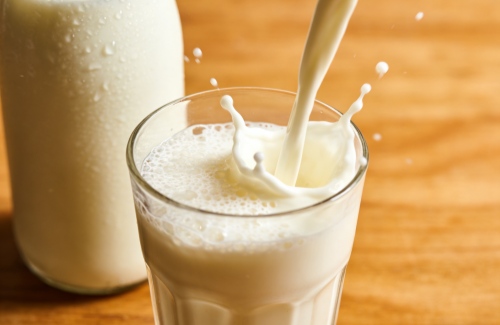
polysorbate 80 in dairy product


Water-in-Oil (W/O) Emulsions


The opposite system is the water-in-oil emulsion, where water droplets are dispersed inside a continuous oil phase.

In practical product development, I usually encounter this system when working with fat-rich products that require a thicker, creamier texture.


Typical Characteristics


W/O emulsions typically have:

· Oil as the continuous phase
· Water is dispersed as droplets
· A richer, denser mouthfeel
· Higher fat content


Common Food Examples


Typical examples include:

· Butter
· Margarine
· Fat spreads
· Certain confectionery fillings

In these formulations, emulsifiers such as Mono- and Diglycerides are widely used to maintain stability and ensure uniform water distribution in the fat phase.


Key Differences Between the Two Systems


From a formulation perspective, the most important difference between the two emulsions is which phase is continuous.

 
Feature Oil-in-Water (O/W) Water-in-Oil (W/O)
Continuous phase Water Oil
Dispersed phase Oil droplets Water droplets
Texture Light and fluid Thick and rich
Fat content Usually lower Usually higher
Typical foods Milk, dressings, beverages Butter, margarine

Understanding this distinction helps manufacturers design products with the desired mouthfeel, stability, and sensory properties.


How do I Choose the Right Emulsifier?


When I help manufacturers optimize formulations, one of the key factors I consider is the HLB (Hydrophilic-Lipophilic Balance) of the emulsifier.

In general:

High HLB emulsifiers work best for oil-in-water emulsions
Low HLB emulsifiers are better for water-in-oil emulsions
 
For example:

· Polysorbate 80 is commonly used in beverage emulsions
· Glycerol Monostearate is widely used in bakery and fat-based systems
· Sodium Stearoyl Lactylate is frequently applied in bread and dough conditioning

In many cases, combining emulsifiers can produce even better stability and processing performance.

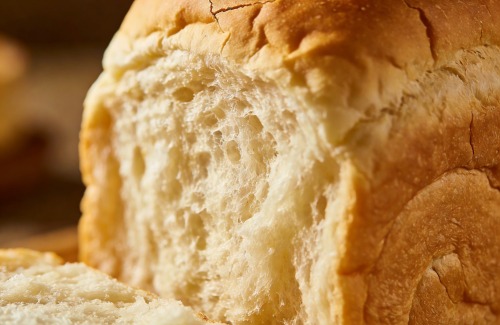
SSL emulsifier in bread


Common Emulsion Stability Challenges


Even with the correct emulsifier, I often see manufacturers face several stability issues, such as:

· Phase separation
· Droplet coalescence
· Creaming or sedimentation
· Temperature sensitivity during storage
 
In practice, solving these problems usually requires optimizing several factors simultaneously, including emulsifier type, homogenization process, droplet size, and formulation balance.


Final Thoughts


From my perspective as a food ingredient professional, understanding the difference between oil-in-water and water-in-oil emulsions is essential for successful food formulation.

The emulsion structure determines not only product texture and appearance, but also processing stability and shelf life.

At CHEMSINO, we work closely with food manufacturers around the world to provide emulsifier solutions for bakery, dairy, beverage, and confectionery applications. With the right emulsifier system and formulation strategy, manufacturers can significantly improve product stability and consumer experience.


FAQ


What is the difference between oil-in-water and water-in-oil emulsions?


In an oil-in-water emulsion, oil droplets are dispersed in water. In a water-in-oil emulsion, water droplets are dispersed in oil. The continuous phase determines the type of emulsion.
 

Which foods use oil-in-water emulsions?


Common examples include milk, mayonnaise, ice cream, salad dressings, and many beverages.
 

Which foods use water-in-oil emulsions?


Butter, margarine, and fat spreads are typical water-in-oil emulsions.
 

Why are emulsifiers important in food?


Emulsifiers stabilize mixtures of oil and water by reducing surface tension, preventing separation, and improving texture and shelf life.
Start earning substantial
profits in your country today!
Email
Whatsapp