
Medium Chain Triglycerides, commonly known as MCT oil, have become one of the most widely used functional lipids in the global food and nutrition industry. From sports nutrition and ketogenic products to dairy alternatives and dietary supplements, MCT oil is now a key ingredient in modern formulations.
This article examines the primary applications of MCT oil — how it functions in the body, where it delivers meaningful value in product formulation, and what manufacturers and formulators should consider when working with it.
What Is MCT Oil?
MCT oil is a refined lipid fraction consisting primarily of fatty acids with carbon chain lengths between six and twelve atoms. The four fatty acids classified as medium-chain are caproic acid (C6), caprylic acid (C8), capric acid (C10), and lauric acid (C12). Commercial MCT oil is typically produced by fractionating coconut oil or palm kernel oil, then refining the resulting fraction to remove C6 — which has an unpleasant odor and is poorly tolerated — and in many cases C12, which behaves metabolically more like a long-chain fat.
The result is usually a C8/C10 blend in varying ratios, or in premium formulations, a C8-dominant product. The functional differences between these compositions are meaningful: caprylic acid (C8) is converted into ketone bodies more rapidly and efficiently than capric acid (C10), which in turn outperforms lauric acid in this regard. For manufacturers, the right composition depends entirely on the performance objective.
What sets MCT oil apart from long-chain fats — such as those found in olive oil, sunflower oil, or animal fat — is the route by which it is absorbed. Long-chain triglycerides must be packaged into lipoprotein particles and transported through the lymphatic system before entering general circulation. MCTs, by contrast, are absorbed directly via the portal vein and delivered to the liver within roughly 30 to 60 minutes of ingestion, where they undergo rapid oxidation or are converted into ketone bodies.
What Is MCT Oil Used For?
1. Energy Support and Sports Nutrition
The speed of MCT metabolism makes it a genuinely useful energy substrate for athletes and active individuals — not just a marketing claim. During prolonged moderate-intensity exercise, the body increasingly relies on fat oxidation to spare muscle glycogen. MCTs occupy a unique position in this context: they are a fat source that is oxidized almost as rapidly as carbohydrates, without triggering an insulin response. This makes them compatible with both fasted training protocols and carbohydrate-managed performance nutrition strategies.
In practical formulation, MCT oil appears in pre-workout beverages, intra-workout energy gels, recovery shakes, and endurance nutrition products. Formulators should note that high single doses — particularly above 20 ml taken on an empty stomach — can cause gastrointestinal discomfort in a meaningful proportion of users. Gradual dose titration and co-ingestion with food substantially reduce this risk and are worth communicating clearly in product guidance.
2. Ketogenic and Low-Carbohydrate Product Formulations
MCT oil's ability to elevate circulating ketone levels even in the absence of strict carbohydrate restriction makes it a foundational ingredient in ketogenic product development. Ketones serve as an alternative fuel for both brain and muscle tissue, and their presence is central to the physiological appeal of ketogenic eating patterns. C8-dominant MCT oil raises blood beta-hydroxybutyrate levels more effectively than C10 or C12, which is why high-end keto products increasingly specify caprylic acid content rather than using generic MCT oil.
Application formats are diverse: keto creamers designed to be blended into coffee, powdered MCT oil incorporated into nutrition shakes and baked goods, liquid MCT oil in meal replacement products, and MCT-enriched snack bars where fat content is intentional rather than incidental. For manufacturers developing in this category, the key formulation challenge is typically palatability — MCT oil has a mild but detectable oily character at higher inclusion levels, which may require masking or careful flavor balancing.
3. Weight Management and Satiety
The evidence base for MCT oil in weight management is positive but requires careful interpretation. Controlled studies have generally found that substituting MCT oil for long-chain fat in the diet produces modest but measurable reductions in body weight and fat mass over periods of weeks to months. Two mechanisms are thought to be responsible: a modest thermogenic effect — MCTs generate slightly more heat per calorie metabolized than long-chain fats — and improved satiety signaling, with MCT consumption associated with increased release of peptide YY and reduced subsequent caloric intake in several trials.
The practical implication for product development is that MCT oil works best as a replacement for other fats rather than an addition to existing formulas. A meal replacement that derives its fat content primarily from MCT oil rather than sunflower or palm oil is likely to be more effective in this context than a product that simply adds MCT on top of an otherwise unchanged fat profile. MCT oil provides approximately 8.3 kcal per gram — slightly less than the 9 kcal per gram typical of long-chain fats — but this difference is not large enough to compensate for significant overconsumption.
4. Cognitive Function and Brain Health
The brain's relationship with ketone bodies is the scientific basis for MCT oil's positioning in cognitive health products. Neurons rely predominantly on glucose for fuel, but they can take up and utilize ketones — particularly beta-hydroxybutyrate — when glucose availability is limited or when ketone concentrations are elevated. In aging populations and in individuals with certain neurological conditions, cerebral glucose metabolism can become impaired even in the presence of normal blood glucose levels. This phenomenon, sometimes described as brain insulin resistance, has driven research interest in MCT oil as a dietary strategy to provide neurons with an alternative energy substrate.
The most clinically investigated application in this area is mild cognitive impairment and early Alzheimer's disease, where some trials have reported modest improvements in memory and cognitive performance following MCT supplementation. The effect appears most pronounced in individuals who do not carry the APOE4 genetic variant — a known Alzheimer's risk factor that may also influence ketone metabolism in the brain. For product developers, this means the cognitive health positioning of MCT oil is scientifically grounded, though claim language must be carefully managed within applicable regulatory frameworks.
Beyond clinical applications, MCT oil is used in a wide range of brain health consumer products — focus supplements, functional coffee blends, nootropic capsules, and senior nutrition formulations — where it serves both as an active ingredient and as a carrier for fat-soluble cognitive nutrients such as phosphatidylserine, curcumin, and omega-3 concentrates.
5. Carrier Oil in Nutraceutical Formulations
Beyond its nutritional properties, MCT oil has considerable practical value as a carrier and delivery vehicle for fat-soluble bioactive compounds. Its combination of high oxidative stability, neutral sensory profile, low viscosity, and near-universal compatibility with hydrophobic molecules makes it one of the most widely used carrier oils in the supplement industry.
Fat-soluble vitamins — particularly vitamins D, A, E, and K — require a lipid vehicle to support absorption, and MCT oil performs this function effectively across a wide range of formats, including softgel capsules, oil drops, and emulsified beverages. The same properties make it useful for herbal extracts, botanical lipophilic compounds, coenzyme Q10, and full-spectrum hemp extracts, where the carrier oil's own stability directly influences the shelf life and bioavailability of the encapsulated active.
6. Functional Food and Beverage Manufacturing
In food manufacturing applications, MCT oil is valued as much for its physical and chemical properties as for its nutritional functionality. Key characteristics that make it technically attractive include its clarity and colorlessness, its liquid state at ambient temperature (unlike coconut oil, which solidifies below approximately 24°C), its resistance to oxidative rancidity, and its ease of handling in production environments.
MCT oil appears in a broad range of commercial food categories. In dairy and plant-based beverage applications, it contributes to mouthfeel and creaminess without the off-notes sometimes associated with other fat sources. In non-dairy creamers and coffee whiteners, it provides the lipid fraction that gives these products their characteristic texture. In nutritional emulsions and ready-to-drink meal replacements, it serves as the primary or secondary fat component. It is also used as a release agent and processing aid in food manufacturing, and as a carrier for flavors, colorants, and fat-soluble functional ingredients incorporated at low levels.
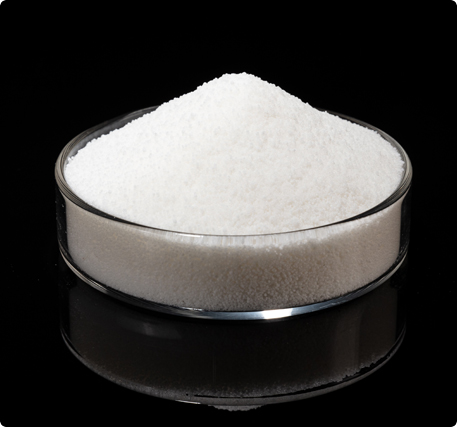
The availability of spray-dried powdered MCT oil — produced by microencapsulating liquid MCT with a carbohydrate carrier such as acacia gum or modified starch — extends its usability into dry product formats, including protein powders, instant beverage mixes, and functional baking ingredients, where a liquid oil would be technically impractical.
Why MCT Oil Continues to Grow in the Global Market
The sustained growth in MCT oil demand reflects a convergence of consumer trends and genuine technical utility. The proliferation of ketogenic and low-carbohydrate dietary patterns has created a large and commercially active consumer base with a specific need for MCT-containing products. Simultaneously, aging populations in major markets are generating growing demand for cognitive health and senior nutrition products, a category where MCT oil has a credible scientific narrative.
From a formulation perspective, MCT oil's neutral flavor profile, clean label compatibility when sourced from coconut, and technical versatility across liquid, powder, and encapsulated formats give manufacturers meaningful room to work with. It performs across a wide pH range, tolerates moderate heat without significant degradation, and emulsifies effectively when combined with appropriate emulsifiers — properties that ease the path from concept to commercial product.
The clean-label dimension is increasingly significant. Coconut-derived MCT oil can be positioned transparently on ingredient panels in a way that resonates with consumers seeking recognizable, plant-based ingredients. This contrasts favorably with other functional lipid ingredients that carry more regulatory or perception complexity.
Selecting MCT Oil for Commercial Formulation
For manufacturers evaluating MCT oil as a raw material, several specification parameters are worth examining carefully. Fatty acid composition — specifically the C8 to C10 ratio — determines the product's ketogenic and metabolic performance and should be confirmed by a certificate of analysis. The source material (coconut vs. palm kernel) matters for labeling purposes and may carry sustainability certification requirements in certain markets.
Oxidative stability, measured by peroxide value and acid value, is critical for products with extended shelf lives or those formulated with other oxidation-sensitive ingredients. Sensory evaluation is also worthwhile: while MCT oil is broadly described as neutral, there is meaningful variation between suppliers in terms of trace flavor and odor character, which can be relevant in light-flavored applications.
Regulatory compliance documentation — including food-grade certification, allergen declarations, and country-of-origin traceability — should be standard expectations from any commercial supplier. In markets where MCT oil is used in infant formula or clinical nutrition products, additional regulatory requirements may apply, and suppliers should be evaluated accordingly.
Final Thoughts
MCT oil is one of the more genuinely versatile functional ingredients available to food and supplement manufacturers. Its metabolic distinctiveness from long-chain fats — rapid portal absorption, efficient hepatic oxidation, and ketone body production — underlies a range of applications that are not simply marketing constructs but are supported by a substantial and growing body of research.
Whether the objective is supporting ketosis in a consumer nutrition product, delivering fat-soluble bioactives in a nutraceutical formulation, providing quickly available energy in a sports product, or contributing texture and stability in a functional food, MCT oil offers a credible and technically sound solution. The key is matching the right composition and format to the specific performance requirement.
If you are developing energy drinks, ketogenic products, functional foods, or dietary supplements, CHEMSINO can provide reliable MCT oil solutions to support your innovation and growth.