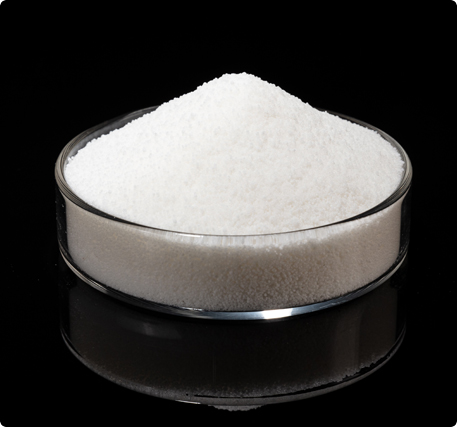
Lactem E472b, short for Lactic Acid Esters of Mono- and Diglycerides of Fatty Acids, is a food-grade emulsifier typically supplied as a white to off-white powder. It is produced by esterifying lactic acid with mono- and diglycerides derived from edible fats.
What Are Its Common Uses in Food?
Bakery products: Improves dough plasticity, softens crumb, and supports even fat distribution in bread and cakes
Chocolate & confectionery: Helps reduce viscosity in fillings and improves flow during molding
Dairy & plant-based beverages: Keeps fats evenly dispersed and reduces separation during storage
Spreads & sauces: Promotes a smooth, creamy texture without oil separation
How Does Lactem E472b Work?
Lactem E472b helps oil and water remain evenly dispersed by reducing surface tension and stabilizing fat droplets within the food matrix.
In baking applications, it helps butter or shortening spread more uniformly through the dough, preventing localized fat pockets and contributing to a more even crumb structure.
How is Lactem E472b Different from Other E472 Emulsifiers?
E472 emulsifiers are produced by reacting mono- and diglycerides with different organic acids, resulting in varied functional properties.
Lactem E472b is modified with lactic acid, giving it a balanced combination of emulsification, foam stabilization, and dough-conditioning effects. This makes it especially suitable for bakery products and aerated foods where processing stability, crumb softness, and a light texture are all required.
In comparison:
E472e (DATEM) is stronger in gluten strengthening and volume improvement, making it the preferred choice for high-volume breads. E472c (CITREM) provides good emulsification and interacts well with proteins, commonly used in margarine and meat emulsions. E472a (ACETEM) mainly provides basic emulsification and is often used in meat products and as an anti-sticking agent.
Because of this balance between emulsification, foam stabilization, and dough conditioning, Lactem E472b is commonly used in cakes, breads, whipped toppings, and bakery mixes that need consistent texture and reliable processing performance.
Is Lactem E472b Safe to Use?
Yes. Lactem E472b is approved by major food safety authorities, including the European Food Safety Authority (EFSA) and the FDA. It is considered safe for general use in foods at regulated concentrations.
Note: Individuals with allergies to dairy should check labels carefully, as Lactem E472b can be derived from milk-based fats.
How to Use Lactem E472b Effectively?
Dosage: Usually 0.1–0.5% of the total flour weight in bakery products, depending on formulation.
Timing: Add during mixing to ensure even dispersion.
Practical Tip: Overuse may alter taste or texture, so follow recommended dosages.
How should Lactem (E472b) be stored?
Lactem (E472b) should be stored in a cool, dry place below 25 °C, protected from direct sunlight, heat, and moisture. Keep the container tightly closed to avoid contamination and odor absorption. Proper storage ensures stable emulsifying performance and extends shelf life.
Where Can Manufacturers Source Lactem E472b?
Food-grade Lactem E472b can be sourced through several channels:
Specialty Ingredient Distributors: Many distributors focus on bakery, dairy, and confectionery ingredients, providing Lactem E472b in various pack sizes suitable for industrial or small-scale production.
Direct from Manufacturers: Some food ingredient manufacturers offer bulk supply with quality certifications and technical support for formulation optimization.
Online B2B Platforms: Websites like Alibaba or Made-in-China list multiple suppliers offering Lactem E472b, often with detailed specification sheets and COAs.
Regional Food Ingredient Agents: Local agents can help navigate import regulations, supply logistics, and regulatory compliance for different markets.
While sourcing, manufacturers should prioritize consistent purity, reliable COA documentation, and suitability for the intended food system. Chemsino, established in 2006, offers Halal and Kosher certified Lactem E472b and other emulsifiers such as GMS, PGPR, and DATEM, providing further support for baking, confectionery, and beverage applications. Contact us for more details.