Home
Products
Emulsifier List
Application
Gallery
News
Blog
About Us
About Us
Contact Us
Your Position : Home > Blog

Characteristics and Applications of Cake Gel Powder in Baking

Date:2025-05-09
Read:
Share:
For professional bakers and food manufacturers, cake gel powder (also known as cake emulsifier or cake foaming agent) is a game-changing ingredient that ensures cakes remain soft, moist and perfectly textured. This versatile baking additive enhances aeration, improves emulsification, stabilizes cake structure and extends freshness, making it a must-have for superior baking results.


What Is Cake Gel Powder?


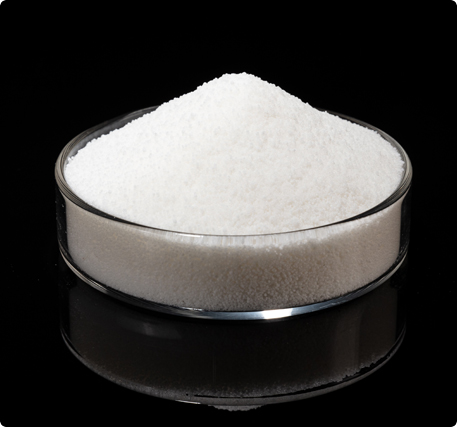
Cake Gel Powder is a specialized baking aid consisting of food grade emulsifiers, stabilizers and functional ingredients. It optimizes batter consistency, improves air incorporation, ensures uniform crumb structure and keeps cakes soft and moist for a long time.


Key Benefits of Cake Foaming Agent


1.Enhances emulsification


Ability to bind oil and water together, preventing separation and resulting in a smoother, more uniform batter.
Cake emulsifier has a significant effect on improving the overall taste and texture of the cake.


2.Improves cake structure


Cake gel for cakes can produce a stable foam structure, which makes the cake more towering, with a lighter and fluffier texture, and reduces collapse and sinking after baking.
This is especially important for cakes that need to be transported or stored for a period of time.


3.Extends freshness and moisture retention


Cake emulsifier locks in moisture and keeps the cake fresh and moist for a long time.
This helps maintain the texture of the cake and prevents it from drying out quickly.
This is a key advantage for commercial bakers who need extended shelf life.


4.Perfect baking performance


Reduces sensitivity to changes in mixing times and ingredients, ensuring consistent results.

Cake gel powder in bakery


How to Store Cake Gel Powder?


It should be stored in a cool and dry place to avoid moisture absorption and agglomeration.


What is Cake Gel Used for?


1.Cake making


Cake Gel Powder mixes more easily with other ingredients in the recipe, shortening the mixing time and producing a soft and fresh cake. Its excellent aerating characteristics give cake crumbles a finer structure and better texture.


2.Bakery


Cake foaming agent improves the emulsification of the batter and works evenly with other ingredients, and is commonly used in breads, cakes and pastries to increase volume and improve stability.


3.Various desserts


By incorporating air into the batter and stabilizing air bubbles, cake gel for baking ensures a light and fluffy dessert texture and can be widely used in mousses, cream fillings and other specialty desserts.


Cake emulsifier in bakery


Difference between Cake Gel and Baking Powder


Cake gel (emulsifier/foaming agent): Keeps cakes moist and fluffy even when the amount of oil and sugar is reduced. Used in small amounts (0.3-1% by weight of flour), it stabilizes the batter and improves the softness and shelf life of the cake.

Baking Powder: Extremely versatile, use in large quantities (1-2 teaspoons per cup of flour) during the baking process to make cakes fluffy without compromising moisturization.


Final Thoughts


Cake emulsifier is a revolutionary ingredient with a wide range of applications in cakes, desserts, and baking. Whether you're a home baker looking for perfection or a pastry chef looking for consistency, adding this cost-effective emulsifier enhances the quality of your cake, making it lighter, softer, and fresher.

All CHEMSINO company products are RSPO certified, Halal and Kosher certified, ISO22000 certified and ISO9001 certified. Try the difference of adding cake gel powder to your baking, and contact us for free sample of cake gel emulsifier! 

 
Related Blog
Emulsification: A Key Process In Food And Baking
16 Sep 2024
Emulsification is the process of mixing two immiscible liquids, like oil and water, into a stable mixture, typically with the help of an emulsifier. This process is crucial across various industries, especially in food production and baking products. Below, we’ll dive into specific examples of emulsification, its role in baking, how it works in food, and its involvement in fat, oil, and water.
Tween 80 VS. Span 80: What is the Difference
18 Oct 2024
Tween 80 and Span 80 are two commonly used nonionic surfactants, often found in a wide range of applications, from food and cosmetic to pharmaceuticals and industrial processes. Despite their similar names, these two emulsifiers differ in structure, function, and applications. Understanding the differences between Tween 80 and Span 80 can help manufacturers and formulators choose the right emulsifier for their specific needs. This article will discover the key differences between Tween 80 and Span 80, including their chemical structures, functionality, and common uses in various industries.
How to Use Monoglyceride Effectively?
16 Dec 2024
Monoglyceride emulsifiers are vital additives used in a wide range of industries, from food to cosmetics and pharmaceuticals. Known for their excellent emulsifying, dispersing, and stabilizing properties, they help create products with a refined texture, smooth taste, and long-lasting stability. In this article, we’ll uncover the best practices for using monoglyceride emulsifiers efficiently. It will help improve your product quality and boost market appeal.
Start earning substantial
profits in your country today!
Email
Whatsapp