Sodium Stearoyl Lactylate (E481)-Emulsifier
Sodium Stearoyl Lactylate?
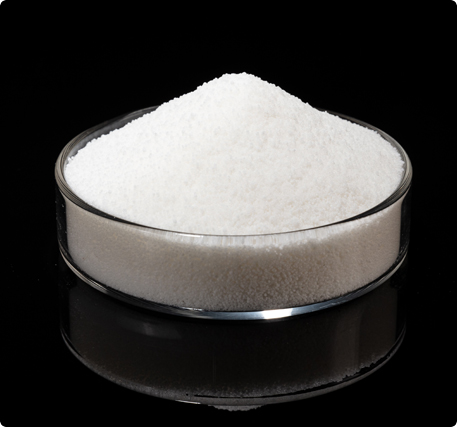
Sodium stearoyl lactylate or Sodium stearoyl-2-lactylate, also known as SSL (abbreviation), it is the sodium salt of stearic acid with lactic acid dimer. This ingredient is commonly used as an emulsifier and stabilizer in high-fat bakery and with the European food additive number E481.
How is Sodium Stearoyl Lactylate (SSL) made?
SSL is synthesized from food-grade stearic acid (mostly from palm oil), lactic acid (from the fermentation of sugar beet or chemical synthesis) and sodium hydroxide.
The FDA mentioned that SSL can be produced by the esterification of stearic acid and lactic acid to form stearoyl lactylic acid and then neutralized into the sodium salt with sodium hydroxide.
• Mixture: mix aqueous stearic acid (control the temperature above its solidification point) with aqueous lactic acid
• Neutralization: add sodium hydroxide to the mixture and the neutralization reaction will take place between sodium hydroxide and lactic acid
• Esterification
Used & Function
Sodium stearoyl lactylate is primarily used for its emulsifying and stabilizing properties in food. In food, SSL mixes water and oil together and mostly used as a dough strengthener and crumb softener in bakery.
SSL is mainly used in high fat & yeast-leavened bread as a dough conditioner/emulsifier for the purposes of:
• Dough strengthening: increase volume and obtain a better crumb structure
• Crumb softening: interacts with flour to form gluten proteins/starch/lactylate complex which produce a soft and elastic bread and prevents bread retrogradation (aging)
It is also used in cookies, crackers, pastries, noodles, and the like to improve the texture, mouth feel and prolong the freshness or shelf time. In cookie and cracker, SSL is used to distribute shortening uniformly in the dough.
SSL can be directly added to flour or dispersed in warm water and then blended with flour for use.
Application Rate according to FDA:
• Baked products, pancakes, and waffles 0.5%
• Icings, fillings, puddings, and toppings 0.2%
• Beverage coffee as substitutes for milk or cream 0.3%
• Dehydrated potatoes 0.5%
• Snack dips 0.2%
• Cheese substitutes and imitations 0.2%
• Sauces or gravies 0.25%
• Cream liqueur drinks 0.5%
European Food Safety Authority (EFSA)
Sodium stearoyl lactylate (E481) is listed in Commission Regulation (EU) No 231/2012 as an authorised food additive and categorized in “Additives other than colours and sweeteners”.

 Emulsifier List
 About Us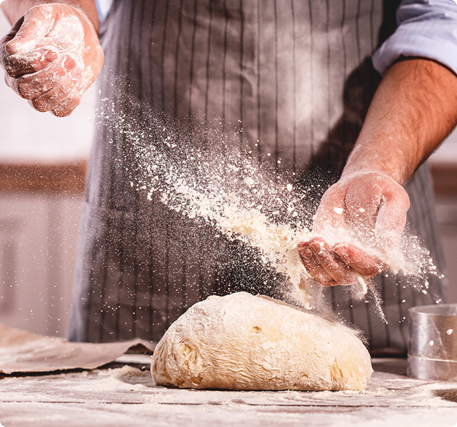

.jpg)