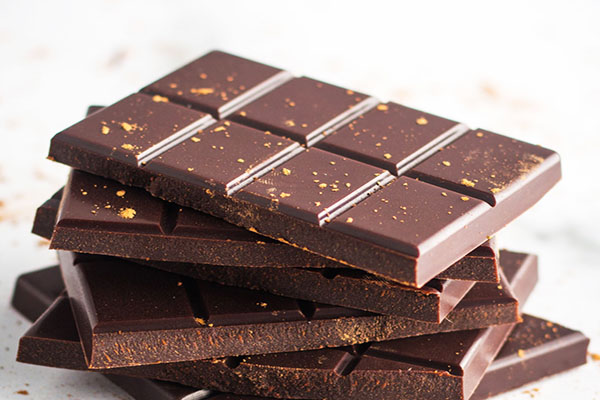
Choosing an emulsifier for chocolate is not simply about finding an ingredient that makes chocolate thinner. In chocolate production, the right emulsifier can influence viscosity, flowability, particle dispersion, processing efficiency, and final texture. But different chocolate products have different requirements. Dark chocolate, milk chocolate, compound chocolate, fillings, and coatings may respond differently to the same emulsifier. The best approach is to start with the processing problem you want to solve. Do you need better flow? Lower viscosity? Easier coating? Or better control over the fat phase?
Why Are Emulsifiers Used in Chocolate?
Chocolate contains cocoa solids, sugar, cocoa butter or other fats, and sometimes milk ingredients. These solid particles need to be distributed throughout the continuous fat phase. Because chocolate contains a high level of solids, controlling how these particles interact with the fat is important. If the system becomes too thick, pumping, molding, depositing, or coating can become more difficult. An appropriate emulsifier can modify the interaction between solid particles and the fat phase. This can help improve flow and processing without simply adding more fat to the formulation.
Lecithin for Chocolate: The Foundation
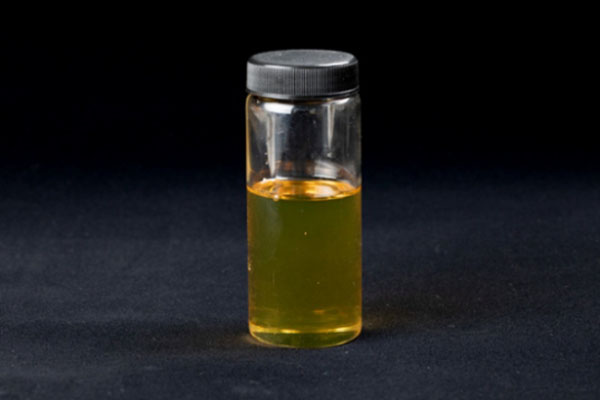
Lecithin is the first emulsifier in any chocolate formula. It coats sugar and cocoa solid particles dispersed in the fat phase, reducing particle-to-particle friction. The result is lower plastic viscosity — chocolate that flows more easily under continuous force. The hard limit: Lecithin reduces viscosity up to 0.5% of chocolate weight. Above this, excess lecithin forms reverse micelles in the fat phase and viscosity goes up, not down. This is one of the most common mistakes in chocolate formulation — adding more lecithin when chocolate is too thick, making it worse. If viscosity is still too high at 0.5% lecithin, the emulsifier isn't the problem. Look at fat content, conching time, or moisture. Soy vs sunflower lecithin: Performance is comparable. Use sunflower lecithin when soy allergen declaration is a concern or non-GMO positioning is required. Typical dosage: 0.2–0.5%. Start at 0.3%, adjust from there.
PGPR for Chocolate: For Yield Value and Easy Flow
PGPR (Polyglycerol Polyricinoleate) addresses a different problem than lecithin. Lecithin reduces plastic viscosity — resistance to flow while moving. PGPR reduces yield value — the force needed to start chocolate flowing in the first place. High yield value means chocolate sits and drips rather than spreading and flowing cleanly off a product surface. This is the key problem in enrobing — chocolate that won't flow off produces uneven, thick coatings. PGPR and lecithin are not substitutes. They target different rheological parameters. The standard combination — lecithin 0.2–0.3% + PGPR 0.1–0.15% — addresses both plastic viscosity and yield value more efficiently than lecithin alone at 0.4–0.5%. Typical dosage: 0.1–0.3%.
What About Sorbitan Tristearate?
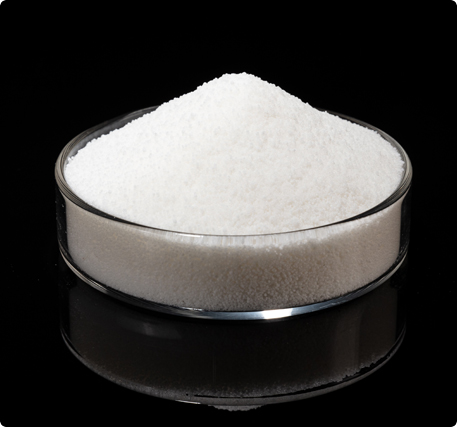
Sorbitan Tristearate, also known as INS 492, is a lipophilic emulsifier that can be considered for selected chocolate and cocoa-based applications. Its interaction with the fat phase is different from that of lecithin or PGPR. For manufacturers evaluating this emulsifier, the key consideration is whether its functionality matches the specific formulation and processing objective. It should not be selected simply because it is another chocolate emulsifier. Application testing is important, particularly when changing from one emulsifier system to another.
Choosing by Application
Real Chocolate (Dark, Milk, White)
Real chocolate is tempered. Tempering handles crystal structure — the emulsifier system handles flow. Dark chocolate (high cocoa solids, high baseline viscosity): Lecithin 0.4–0.5% + PGPR 0.1–0.2% for enrobing; lecithin 0.4–0.5% alone for moulding. Milk chocolate (milk powder adds some natural emulsification): Lecithin 0.3–0.4% ± PGPR 0.1–0.15% if yield value is an issue. White chocolate (no cocoa solids, high sugar, prone to high viscosity): Lecithin 0.4–0.5% + PGPR 0.1–0.2%. Watch the lecithin ceiling carefully — white chocolate is the most common place where the 0.5% limit gets exceeded accidentally.
The Most Common Mistakes
Exceeding 0.5% lecithin. The viscosity reduction effect reverses above this threshold. If chocolate is still too thick at 0.5%, adjust fat content or conching — not lecithin dosage. Using PGPR instead of lecithin. PGPR targets yield value; lecithin targets plastic viscosity. Chocolate made with only PGPR flows easily under force but is thick and resistant throughout. You need both. Blaming the emulsifier for moisture-related seizing. A single drop of water in chocolate causes seizing — sudden, irreversible thickening that no emulsifier will reverse. If chocolate seized, look for water contamination first. Equipment moisture, wet inclusions, water-based flavors — these are the common sources. Treating bloom as an emulsifier problem in real chocolate. In real chocolate, bloom is almost always a tempering failure. Adding Span 60 or more lecithin won't fix it. Verify tempering temperature and cooling tunnel profile before touching the emulsifier formula.
Frequently Asked Questions
Why did my chocolate seize when I added more lecithin? Seizing is caused by moisture, not lecithin. Water in chocolate — even a small amount — creates a sugar syrup that binds particles and causes sudden thickening. Check for water contamination in equipment or ingredients before adjusting emulsifier dosage. Can I use Polysorbate 80 instead of lecithin? No. Polysorbate 80 is water-soluble (HLB 15.0) and doesn't function in the fat-continuous chocolate system. Lecithin works in fat-phase systems. Polysorbate 80 belongs in oil-in-water applications like ice cream or dressings. How do I know if my viscosity problem is yield value or plastic viscosity? If chocolate is hard to start flowing but flows easily once moving: yield value problem — use PGPR. If it's thick and slow throughout: plastic viscosity problem — use lecithin (up to 0.5%). A Casson viscosity measurement gives both values directly and is standard in chocolate QC labs. Does sunflower lecithin work as well as soy lecithin?
Largely yes. Sunflower lecithin may need a slightly higher dosage (0.05–0.1% more) in some systems due to different phospholipid profiles. Run a side-by-side viscosity test before switching grades on a production formula.
Working with CHEMSINO
CHEMSINO suppliesPGPR, Sorbitan Tristearate (S-65), and GMS for chocolate and compound coating applications. Emulsifiers are our only business — our technical team works with viscosity and bloom problems directly, not just ingredient supply. Contact us today to send you useful details and the best quote.