Home
Products
Emulsifier List
Application
Gallery
News
Blog
About Us
About Us
Contact Us
Your Position : Home > Blog

GMS 52 Powder: Uses, Specifications, and How to Choose

Date:2026-10-23
Read:
Share:
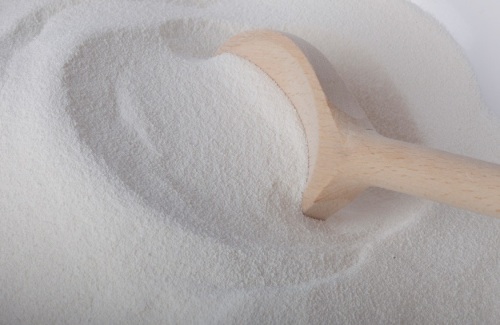
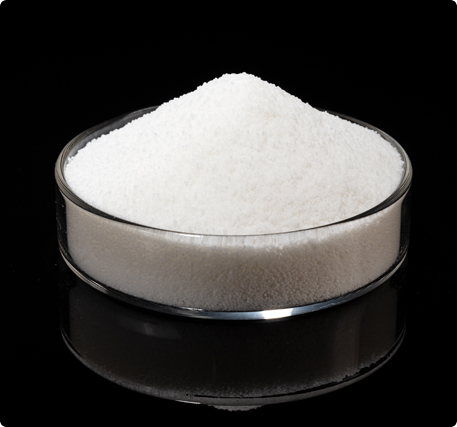
GMS 52 powder is a commercial grade of glycerol monostearate (GMS) used mainly as an emulsifier and texture-control ingredient in food production.

For buyers and formulators, however, the number "52" is only the starting point. A more useful question is: What does GMS 52 actually do in a formulation, and when is it a better choice than GMS 40 or GMS 60?

The answer depends on the monoglyceride content, fatty acid composition, physical form, formulation, and processing conditions. This guide explains the practical points to check before choosing or replacing a GMS 52 product.

What Is GMS 52 Powder?


GMS, or glycerol monostearate, is produced by reacting glycerol with fatty acids. Commercial products are generally mixtures of mono-, di-, and triglycerides rather than a single pure compound.

GMS 52 normally refers to a grade with a specified monoglyceride content of around 52%. The exact specification can vary between manufacturers, so the number should always be checked against the supplier's technical data sheet.

This distinction matters when comparing products. Two suppliers may both sell a product called "GMS 52," but their products may differ in fatty acid profile, monoglyceride content, moisture, acid value, physical form, and other quality parameters.

GMS is associated with E471, mono- and diglycerides of fatty acids, but E471 is a broader additive category. Therefore, "E471" alone does not provide enough information to describe a particular GMS 52 product.


What Is GMS 52 Used For?


GMS 52 is mainly selected for food formulations that need emulsification or texture control.

Common applications include:

# Bread and other bakery products
# Cakes and cake mixes
# Biscuits and cookies
# Margarine and spreads
# Dairy and non-dairy products
# Ice cream and frozen desserts
# Confectionery products
# Other fat- and water-containing food systems

The exact function depends on the formulation. GMS 52 may help improve fat dispersion, support emulsion stability, modify texture, or improve processing properties.
For this reason, a supplier should not recommend GMS 52 only by product category. The actual formulation, fat source, processing conditions, and desired result should also be considered.


GMS 52 in Bakery Products


Bakery is one of the important application areas for GMS.

In bread, GMS can be used as an emulsifier and dough-conditioning ingredient. It may help with dough handling, gas retention, crumb structure, and texture, depending on the complete formulation.
In cakes, GMS can help with the distribution of fat and water in the batter and may contribute to a more consistent finished texture.

However, GMS 52 cannot compensate for problems caused by poor flour quality, incorrect mixing, insufficient fermentation, or unsuitable baking conditions. Emulsifier performance always depends on the whole formulation and process.


GMS 52 for Margarine and Spreads


Margarine and spreads contain both fat and water phases, making emulsifier selection particularly important.

GMS 52 can be evaluated as part of the emulsifier system to influence emulsion stability, consistency, and texture.
The result depends on the oil phase, water phase, fat blend, crystallization behavior, and other emulsifiers used in the formulation.

For manufacturers changing from another GMS grade, it is better to compare products through a controlled trial rather than assuming that the same dosage will produce the same result.

GMS 52 for Cakes and Confectionery


GMS 52 is also suitable for formulations where emulsification and texture control are important.

In cakes and cake mixes, manufacturers may evaluate it for batter properties, fat distribution, volume, and crumb texture.
In confectionery, GMS can be used in selected fat-based or emulsified systems. However, the most suitable emulsifier depends on the specific product. For chocolate, for example, lecithin or PGPR may be selected when the main objective is controlling chocolate flow and viscosity.


GMS 52 vs GMS 40 vs GMS 60


GMS 40, GMS 52, and GMS 60 mainly differ in their specified monoglyceride content.
 
Grade Approximate monoglyceride content Typical positioning
GMS 40 Around 40% Lower monoglyceride grade
GMS 52 Around 52% Intermediate grade
GMS 60 Around 60% Higher monoglyceride grade

A higher monoglyceride number does not automatically mean better performance.


GMS 52 may be a practical choice when a formulation requires a different balance between emulsifier content, physical properties, performance, and cost. The right grade should be determined through application testing.
This is particularly important when replacing GMS from an existing supplier. Two products with the same grade name can still have differences in fatty acid composition, physical form, purity, and other technical parameters.


What Should Be Included in a GMS 52 Specification?


For industrial purchasing, the product name is not enough. Ask for a current technical specification and check the parameters that can affect your application.


1. Monoglyceride Content


This is one of the first numbers to compare between GMS grades.
Confirm both the specification limit and the analytical method. "52%" should not be treated as a complete description of the product.


2. Fatty Acid Composition


The fatty acid profile can affect the physical and functional behavior of GMS.
If your formulation is sensitive to emulsifier composition, ask the supplier for the relevant fatty acid information instead of comparing products only by monoglyceride content.


3. Physical Form


GMS may be supplied in powder, flakes, beads, or other forms.
Physical form affects handling, premixing, dispersion, and processing. A powder that is convenient for one production process may not be the most convenient choice for another.


4. Quality Parameters


Depending on the grade, buyers may need information on moisture, acid value, free glycerol, melting range, and other parameters.
The important point is not to collect numbers for their own sake. Focus on the parameters that can affect your process and finished product.

5. Food-Grade and Regulatory Documentation


For food production, confirm that the specific product is suitable for your intended market.
Ask for the relevant food-grade documentation, specifications, COA, and other compliance documents required by your purchasing and regulatory teams.

How to Choose a GMS 52 Supplier


If you are buying GMS 52 for regular production, price is only one part of the decision.

A reliable supplier should be able to provide a consistent specification and explain how the product is intended to perform in your application.
Before placing a bulk order, check:

Product consistency: Can the supplier maintain the agreed specification from batch to batch?
Documentation: Can they provide TDS, COA, food-grade documents, and other required compliance information?
Sample support: Can you test the material before committing to a large quantity?
Production capacity: Can the supplier maintain supply when your order volume increases?
Packaging and logistics: Are the packaging, shelf life, lead time, and shipping conditions suitable for your purchasing plan?

For long-term supply, these factors can be more important than a small difference in the initial quotation.

Final Thoughts

Choosing the right GMS 52 powder means finding a balance between product specifications, formulation requirements, and production costs. Although GMS 52 is suitable for various food applications, its performance depends on the ingredients, processing conditions, and quality of the material. Before making a bulk purchase, compare the technical specifications, request a sample, and test the product under your actual production conditions.

CHEMSINO provides food-grade GMS 40, GMS 52, and GMS 60 to meet different formulation needs. Contact info@cnchemsino.com to discuss your requirements and find a suitable GMS solution for your business.


FAQ


What is GMS 52 powder?

GMS 52 powder is a commercial glycerol monostearate grade with a specified monoglyceride content of around 52%. The exact specification depends on the manufacturer.


What is GMS 52 used for?

It is used as an emulsifier and texture-control ingredient in applications including bakery products, cakes, margarine and spreads, dairy and non-dairy products, frozen desserts, and selected confectionery products.


Is GMS 52 the same as E471?

Not exactly. GMS refers to glycerol monostearate or related commercial GMS grades, while E471 is the broader food additive category of mono- and diglycerides of fatty acids. A specific GMS 52 product should therefore be evaluated according to its own specification.


Is GMS 52 better than GMS 40?

Not necessarily. GMS 52 has a higher specified monoglyceride content, but whether it performs better depends on the formulation and application.


What is the difference between GMS 52 and GMS 60?

GMS 52 is generally specified at around 52% monoglycerides, while GMS 60 is generally specified at around 60%. The difference can affect functional performance, so they should be tested before direct substitution.


What should I ask a GMS 52 supplier for?

At minimum, ask for the technical specification, COA, food-grade and regulatory documentation, physical form, packaging information, MOQ, lead time, and a sample for application testing.

Related Blog
How Emulsifiers Contribute to the Shelf Life of Packaged Snacks
07 Feb 2025
In the world of packaged snacks, maintaining freshness, texture, and flavor throughout the product's shelf life is essential for consumer satisfaction. A crucial yet often overlooked component in achieving this goal is the use of emulsifiers. Emulsifiers are ingredients that help blend water and fat together, which, in turn, aids in stabilizing the product and enhancing its shelf life. In this article, we will explore the role of emulsifiers in extending the shelf life of packaged snacks, including how they work and which types are commonly used.
MOQ AND SHIPPING GUIDE
MOQ and Shipping Guide for Food Emulsifiers
08 Jun 2026
Getting the product right is the first step. Getting it to your facility on time, in good condition, with the right documentation is what actually keeps production running. Since 2006, Chemsino has shipped food emulsifiers to manufacturers in 50+ countries — and the questions we answer most often from new buyers are the same ones this guide covers: how much do I have to order, how long does it take, and what do I need to clear customs?
How to Slow Down Bread Staling and Extend Freshness
How to Slow Down Bread Staling and Extend Freshness?
28 Nov 2025
Bread staling is a common challenge in bakeries, causing dryness, firmness, and loss of freshness. Functional emulsifiers and enzyme systems, such as DMG, SSL, DATEM, and maltogenic amylase from Chemsino, help slow starch retrogradation, retain moisture, and maintain soft, appealing crumb. These solutions enable manufacturers to extend shelf life, improve product quality, and satisfy consumer expectations.
Start earning substantial
profits in your country today!
Email
Whatsapp