Home
Products
Emulsifier List
Application
Gallery
News
Blog
About Us
About Us
Contact Us
Your Position : Home > Blog

How to Slow Down Bread Staling and Extend Freshness?

Date:2025-11-28
Read:
Share:
Bread staling is one of the most common challenges in baked goods production. As moisture migrates and starch retrogrades, bread gradually loses softness, becomes dry, and develops a crumbly texture. For industrial bakeries, small workshops, and global food manufacturers, extending bread freshness is key to improving product quality, reducing waste, and delivering better consumer satisfaction.

This guide explains why bread becomes stale, and more importantly, how to slow down staling using proven formulation strategies and functional food ingredients—including emulsifiers and enzyme systems widely supplied by Chemsino.


Why Does Bread Staling Happen?


Bread staling is mainly driven by:

1. Starch Retrogradation

After baking, gelatinized starch slowly recrystallizes, making the crumb firm and dry.
This is the primary mechanism of staling.

2. Moisture Redistribution

Water gradually migrates from the crumb to the crust, causing the crumb to harden and the crust to soften.

3. Protein Structural Changes

Protein networks tighten over time, reducing the softness and elasticity of the bread.


Effective Ways to Slow Down Bread Staling


1. Use Functional Emulsifiers


Emulsifiers help delay starch retrogradation and keep bread soft for a longer time.
Common anti-staling emulsifiers include:

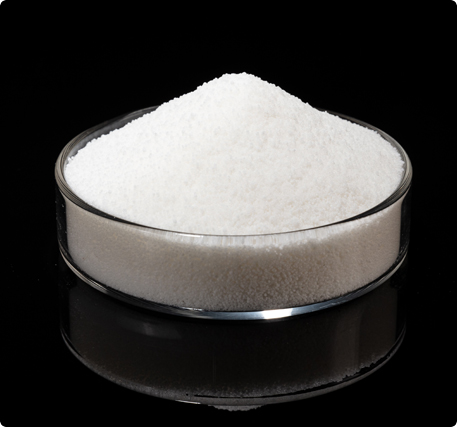
Distilled Monoglycerides (DMG)

Forms complexes with amylose
Improves crumb softness
Extends shelf life in packaged bread

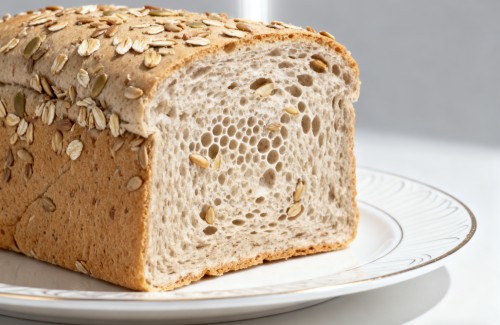
Distilled Monoglycerides in Bread

Sodium Stearoyl Lactylate (SSL)

Strengthens gluten structure
Enhances dough tolerance
Slows down the firmness increase during storage

• DATEM (Diacetyl Tartaric Acid Esters of Mono- and Diglycerides)

Improves gas retention
Produces a finer crumb structure
Helps maintain softness over time

Chemsino supplies all of these emulsifiers for global bakery manufacturers.


2. Apply Anti-Staling Enzyme Systems


Enzymes provide an advanced, clean-label approach to freshness extension.

• Amylase Enzymes

Break down starch in a controlled way, preventing the formation of a rigid, firm structure.

Maltogenic Amylase

One of the most effective anti-staling enzymes:

Slows starch retrogradation
Maintains moist, soft crumb texture
Ideal for industrial packaged bread

Enzyme systems are widely used in sliced bread, buns, rolls, and frozen dough applications.


3. Optimize Moisture and Water Activity


Controlling hydration is essential:

Ensure proper dough water absorption
Avoid overbaking (to maintain internal moisture)
Use humectants when needed (e.g., glycerol, sorbitol)

Higher moisture retention = longer perceived freshness.


4. Improve Packaging Conditions


Proper packaging significantly affects shelf life:

Use moisture-proof packaging to reduce water migration
Apply modified atmosphere packaging (MAP) for premium bakery products
Seal the packaging while the bread is still warm (not hot) to retain softness


Emulsifiers in Bread
 

5. Store Bread at the Right Temperature


Storage temperature directly influences starch retrogradation:

0–4°C accelerates staling
Room temperature is ideal for short-term storage
Freezing (below −18°C) stops staling and is recommended for frozen dough and pre-baked products


Recommended Chemsino Ingredients for Bread Freshness


Chemsino provides a range of functional additives tailored for global bakery manufacturers:

• Distilled Monoglycerides (DMG)

Ideal for soft bread, buns, toast bread, and sweet baked goods.

• Sodium Stearoyl Lactylate (SSL)

Enhances dough strength and reduces crumb firmness.

• DATEM

Ensures better volume, elasticity, and softness retention.

• Anti-Staling Enzyme Systems

Including maltogenic amylase for long-lasting softness.

All ingredients can be customized according to baking processes, production scale, and market requirements.


Conclusion


Slowing down bread staling requires a combination of ingredient optimization, process control, and proper storage. With the right emulsifiers and enzyme systems, bakers and manufacturers can significantly enhance product softness, moisture, and shelf stability.

Chemsino supports global customers with high-quality bakery additives and technical guidance to help you produce bread that stays fresher for longer. If you need formulation advice or ingredient recommendations, feel free to contact us.
Start earning substantial
profits in your country today!
Email
Whatsapp