Home
Products
Emulsifier List
Application
Gallery
News
Blog
About Us
About Us
Contact Us
Your Position : Home > Blog

Functions of Emulsifiers in Improving Freeze-thaw Stability

Date:2025-11-26
Read:
Share:
Freeze-thaw instability is a common challenge in frozen foods. During freezing, storage, and thawing, products often experience problems such as moisture migration, ice crystal growth, and fat-protein separation, affecting their texture and appearance.

Emulsifiers help proteins, water, and fats work synergistically in a stable system, protecting overall quality. The following outlines the main roles of emulsifiers in improving freeze-thaw stability.


1. Preventing Water and Fat Separation


Freeze–thaw cycles often cause oil and water to separate, leading to syneresis or “watering-out”.

Emulsifiers reduce interfacial tension and keep the system well-dispersed, which helps sauces, soups, dressings, and dairy alternatives retain smooth consistency and appealing appearance after thawing.

Examples: GMS (Glycerol Monostearate) and SSL (Sodium Stearoyl Lactylate) are commonly used to stabilize oil-in-water systems in frozen products.

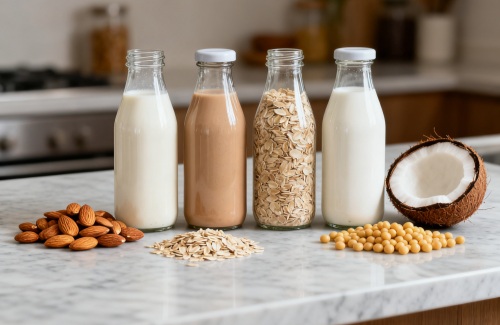
Emulsifiers in dairy alternatives


2. Controlling Ice Crystal Growth


Large ice crystals can damage the texture in frozen desserts, dough, and beverages.

Emulsifiers slow down ice recrystallization and promote smaller, more uniform ice crystals, preserving smooth mouthfeel and preventing graininess.

Examples: GMS and DMG (Distilled Monoglycerides) are frequently applied in ice cream and frozen desserts to maintain creaminess and texture after storage.


3. Protecting Protein Structure


Proteins may denature or lose water-binding ability during freeze–thaw cycles, causing texture breakdown.

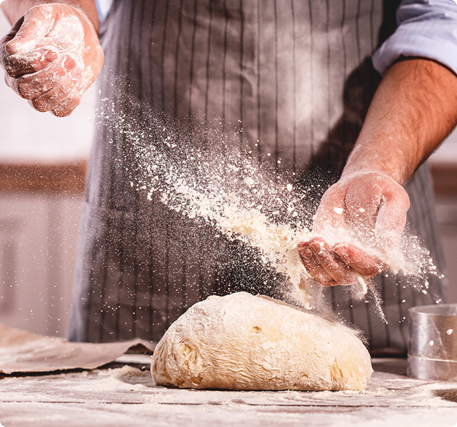
Emulsifiers coat protein molecules, stabilizing their structure and water retention. This preserves dough elasticity, creaminess in sauces, and consistency in protein-rich products.

Examples: SSL and DATEM (Diacetyl Tartaric Acid Ester of Monoglycerides) are often used in dough and frozen bakery applications to maintain protein performance.


4. Stabilizing Air Cells in Frozen Desserts


Air incorporation is critical for ice cream, whipped toppings, and frozen mousses.

Emulsifiers strengthen the fat–air interface, helping air bubbles survive freezing and thawing. This ensures desserts maintain volume, lightness, and smooth mouthfeel.

Examples: GMS and PGPR (Polyglycerol Polyricinoleate) are commonly used to stabilize aerated structures in frozen desserts.

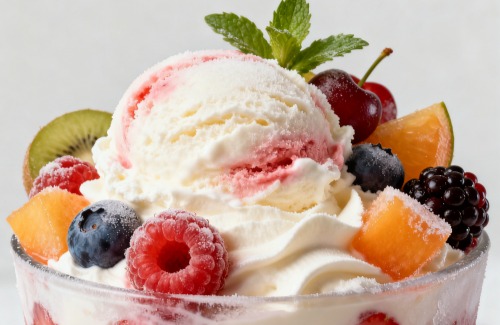
Emulsifiers in frozen desserts


5. Enhancing Texture and Bite After Thawing


Freeze–thaw damage can make baked goods, dumplings, and ready meals mushy, watery, or uneven.

Emulsifiers maintain elasticity, cohesiveness, and smoothness, ensuring a consistent bite and satisfying mouthfeel in thawed products.


6. Supporting Shelf Life and Product Consistency


Better freeze–thaw stability improves shelf life and ensures consistent quality during storage and transport.

Emulsifiers reduce phase separation, structural breakdown, and texture loss, helping products remain visually appealing and high-quality throughout distribution.


Conclusion


Emulsifiers play a crucial role in improving freeze-thaw stability, preventing product separation, protecting proteins, controlling ice crystals, and maintaining texture.

For manufacturers, choosing a reliable emulsifier supplier can improve production efficiency and ensure consistent product quality. Chemsino offers professional emulsifier solutions; please feel free to contact us for technical guidance or free samples.
Start earning substantial
profits in your country today!
Email
Whatsapp