Home
Products
Emulsifier List
Application
Gallery
News
Blog
About Us
About Us
Contact Us
Your Position : Home > Blog

Why Not All Emulsifiers Are the Same

Date:2024-12-25
Read:
Share:
In the world of emulsifiers, one size definitely does not fit all. These remarkable substances play a crucial role in a vast array of products, from the food we eat to the cosmetics we use and even the medications we rely on. But what makes each emulsifier unique? Let's dive in.


1. The Source: Natural vs. Synthetic Emulsifiers


At the heart of the differences between emulsifiers is their source. Emulsifiers can be divided into two main categories: natural and synthetic.
Natural Emulsifiers: Natural emulsifiers, sourced directly from nature, have been used for centuries. Take gum arabic, for example, which is extracted from the sap of acacia trees. It has excellent water solubility and forms stable emulsions, making it a popular choice in the food and beverage industries. Lecithin, another well-known natural emulsifier, is obtained from sources like soybeans or egg yolks. It not only emulsifies but also provides nutritional benefits, which is why it's commonly found in dietary supplements and food products alike.
Synthetic Emulsifiers: On the other hand, synthetic emulsifiers, such as Polysorbates and Sorbitan esters, are created through chemical processes and are typically used in industrial-scale production where cost, stability, and performance are paramount. They offer consistent results under a wide range of conditions but may not appeal to consumers who are looking for more natural alternatives. These emulsifiers are common in processed foods and mass-market personal care products.


2. Chemical Structure: The Key to Their Function


Not all emulsifiers work the same way because their chemical structure differs. The structure of an emulsifier determines whether it will be more effective in oil-in-water (O/W) or water-in-oil (W/O) emulsions, and how well it can stabilize the product.
Hydrophilic-Lipophilic Balance (HLB): Emulsifiers have a value known as HLB that reflects their balance between hydrophilic (water-attracting) and lipophilic (oil-attracting) components. A higher HLB value (above 10) means the emulsifier is more suited for oil-in-water emulsions, such as in lotions or beverages. A lower HLB (below 10) means the emulsifier is better for water-in-oil emulsions, like margarine or thick creams.
Thus, the HLB value determines not only the type of emulsion the emulsifier can form but also its suitability for different applications. This fundamental difference makes some emulsifiers more effective than others depending on the product you are creating.

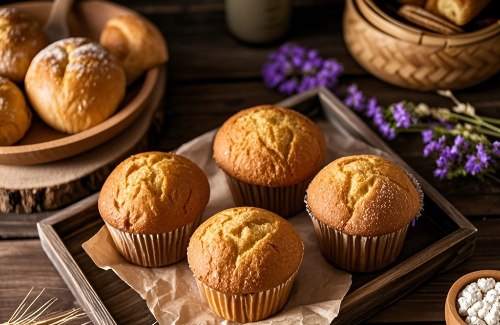
chemsino emulsifier in baking


3. Functionality: Texture, Stability, and Application


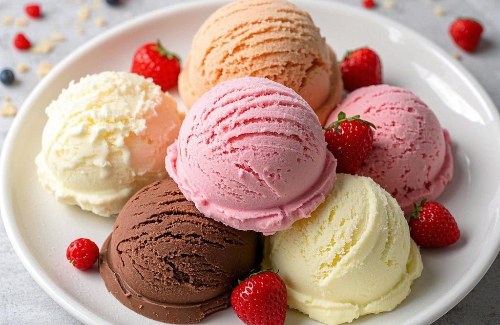
Emulsifiers are selected not only for their ability to create stable emulsions but also for the texture and stability they impart to the final product. Different emulsifiers provide varying textures depending on the product’s needs. For example, in baked goods, Glycerol Monostearate (GMS) is often used to improve texture, prolong shelf life, and prevent staleness. Monoglycerides, another commonly used emulsifier, help create a smooth, soft texture in ice creams and prevent the formation of ice crystals.


4. Case Studies: Application of Different Emulsifiers


4.1 Lecithin in Chocolate Manufacturing

Lecithin is a naturally occurring emulsifier derived from soybeans, egg yolks, or sunflower. In chocolate production, lecithin plays a critical role in improving texture and enhancing the sensory qualities of the final product. It helps prevent fat bloom, a common issue where cocoa butter separates from the chocolate, creating a white, waxy coating on the surface. Lecithin works by reducing the viscosity of the chocolate, which allows it to flow more easily during the production process, and creates a smoother, more stable mixture.


4.2 GMS in Baked Goods

Glycerol Monostearate (GMS), an emulsifier widely used in the bakery industry, enhances both the texture and shelf life of baked products. It helps to prevent staleness, improving the softness and freshness of bread, cakes, and pastries for a longer period. GMS emulsifier helps improve dough handling properties and supports the uniform distribution of fat, ensuring an even texture in finished baked goods.


4.3 Polysorbate 80 in Ice Cream Production

Polysorbate 80 is a widely used emulsifier in the food industry, and its role in ice cream production is crucial for ensuring smooth texture and enhancing the overall quality of the product. It is a non-ionic surfactant that helps stabilize emulsions, allowing the fat and water phases in ice cream to remain mixed without separating during freezing and storage.

chemsino emulsifier in ice cream


5.Regulatory Issues and Safety Standards


Each region has its own set of regulations governing the use of emulsifiers, which can vary based on the type of product (food, cosmetics, pharmaceuticals) and the emulsifier’s source.
In the U.S., emulsifiers must meet FDA guidelines, and those used in food must be GRAS (Generally Recognized as Safe). In the EU, regulations for food-grade emulsifiers are stringent, particularly for synthetic emulsifiers. Kosher, Halal, and organic certifications are also important considerations for emulsifier selection in certain markets.


6.CHEMSINO: Custom Emulsifier Solutions to Elevate Your Products


Clearly, emulsifiers possess distinct characteristics depending on their applications. Hence, the solution you choose ought to be optimized for the specific type of product you are manufacturing. In light of this, CHEMSINO has developed a comprehensive range of solutions, offering targeted functionalities for all major food categories.
The CHEMSINO team of experts is dedicated to helping customers innovate new products, stay ahead of industry trends, refine existing recipes, optimize production processes, and ensure a smooth transition to large-scale production. Elevate your products with our premium emulsifier solutions—contact us for free samples and start transforming your business!
Related Blog
emulsifiers used in baked goods
How Emulsifiers are Used in Bread, Biscuits, and Cakes?
07 Jul 2025
Emulsifiers enable otherwise incompatible ingredients—like water and oil—to blend smoothly. In baking, their role extends far beyond simple mixing. They improve dough behavior, stabilize structure, enhance softness, and significantly extend shelf life. This article explores the vital role of emulsifiers in bread, biscuit, and cake production—and how the right emulsifier can transform your product.
Oil in Water and Water in Oil Emulsions: What's the Difference
Oil in Water and Water in Oil Emulsions: What is the Difference
14 Aug 2024
Understanding oil-in-water (O/W) and water-in-oil (W/O) emulsions is crucial for effective product formulation. In this blog, we will explore their key differences and provide real-world examples. By grasping these distinctions, you’ll be better equipped to select the ideal emulsifiers and optimize your product's performance, ensuring superior texture, stability, and appeal.
Uses and Benefits of Propylene Glycol Monostearate in Ice Cream
08 Nov 2024
Propylene Glycol Monostearate (PGMS) is a widely used emulsifier in the food industry, especially in ice cream production. It plays a key role in ensuring that ice cream has the smooth, creamy texture that consumers love. From improving the structure of the final product to enhancing shelf life, PGMS offers many benefits in ice cream formulations. This article will explain what PGMS is, how it works in ice cream, its uses, and why it is so important in creating high-quality frozen desserts. 
Start earning substantial
profits in your country today!
Email
Whatsapp