Home
Products
Emulsifier List
Application
Gallery
News
Blog
About Us
About Us
Contact Us
Your Position : Home > Blog

Tips for Using Glycerol Monolaurate in Food Applications

Date:2026-01-14
Read:
Share:
Glycerol monolaurate (GML) is characterized by its emulsifying, stabilizing, and antimicrobial properties. It is commonly used in baked goods, dairy products, beverages, spreads, and functional foods. This blog provides an overview of practical formulation tips using GML to help you achieve stable and high-quality products.
 

1. Understand Its Functional Properties


Before adding GML emulsifier to a formula, it’s important to recognize its dual functionality:

Emulsification: GML helps disperse oils and fats in water-based systems, creating smooth and stable emulsions.

Antimicrobial action: It can inhibit the growth of certain bacteria, yeast, and molds, enhancing product shelf life.

Knowing these properties helps you determine dosage and process conditions for the desired effect.


2. Recommended Dosage


The amount of GML E471 needed depends on the product type and desired effect. Typical ranges are:

Bakery products: 0.1–0.5% of flour weight to improve dough handling and crumb texture.

Dairy and spreads: 0.2–0.6% to stabilize emulsions and enhance creaminess.

Beverages: 0.05–0.2% to prevent separation and maintain clarity.

Start with small trial batches and adjust according to stability, texture, and sensory requirements rather than relying solely on theoretical dosage. For high-end products, consider sensory evaluation before scale-up to ensure that texture, mouthfeel, and overall eating quality meet expectations.

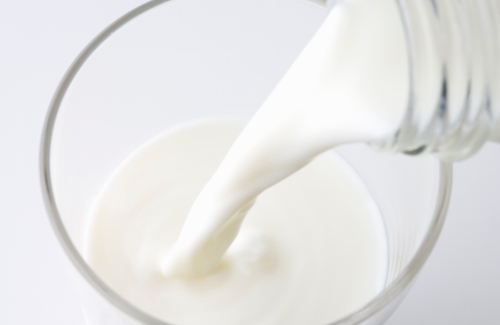
Glycerol monolaurate in dairy


3. Tips for Incorporation


Proper incorporation ensures consistent performance:

Dry Blending: For bakery premixes, blend GML with flour or sugar before adding liquids.

Oil Phase Dissolution: In emulsified products, dissolve GML in the oil phase for even distribution.

Temperature Consideration: GML melts at around 60–65°C, so pre-melting can aid mixing in high-fat systems.


4. Combine with Other Emulsifiers and Synergistic Ingredients


GML can be used in combination with other emulsifiers and functional ingredients for enhanced performance:

· Tween 20/60 or Span 60 for oil-in-water or water-in-oil systems.

· Glycerol Monostearate (GMS) or Propylene Glycol Monostearate (PGMS) for bakery fats, spreads, and dough systems.

· Xanthan gum (0.1–0.2%) for improved pickup, spreadability, and stability.

· Zinc sulfate in water-in-oil emulsions helps stabilize.

Blending emulsifiers allows for better HLB matching, smoother emulsions, and longer shelf life.


5. Optimize Processing Conditions


To achieve consistent results with GML, it’s important to monitor key processing parameters during production:

Temperature Control: While GML melts around 60–65°C, avoid excessive overheating, which can degrade emulsifiers or affect texture.

pH Management: GML is stable across a broad pH range, but extremely acidic or alkaline environments may reduce its effectiveness. Adjust formulation pH as needed.

Mixing and Shear: Ensure sufficient but not excessive mixing to evenly distribute GML without introducing air or damaging delicate structures.

Process Timing: Add GML at the stage where it can interact effectively with fats and water without delaying other critical steps, such as fermentation or heat treatment.

By controlling these processing conditions, manufacturers can maintain product consistency, improve texture, and maximize the functional benefits of GML emulsifier.

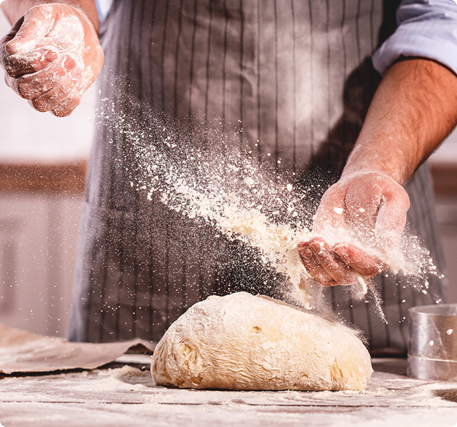
Glycerol monolaurate in bakery


6. Storage and Handling


Maintaining GML quality before use is crucial:

· Store in a cool, dry place away from sunlight.

· Keep containers tightly sealed to prevent moisture absorption.

· Use within the recommended shelf life for consistent performance.

Proper storage ensures the ingredient performs reliably in every batch.


7. Advanced Application Strategies


Oleogels: GML can work with beeswax to form stable, thermally resistant gels in fat-structured foods.

Microencapsulation: Improves solubility, masks flavors, reduces volatility, and allows controlled release in functional foods.

Low-Dosage Optimization: GML can be effective even at small amounts, making it suitable for sensitive or reduced-fat formulations.


Final Thoughts


By understanding the functional properties, recommended dosage, addition methods, synergistic combinations, and processing considerations of glyceryl monolaurate, manufacturers can improve the texture, stability, and shelf life of baked goods, dairy products, beverages, spreads, and plant-based products.

For high-end or specialty products, advanced strategies such as microencapsulation or use in oleogels can further enhance product performance. Chemsino is a reliable supplier of glycerol monolaurate, established in 2006, providing emulsifier solutions and technical support. Please contact us for free samples.
Start earning substantial
profits in your country today!
Email
Whatsapp