Home
Products
Emulsifier List
Application
Gallery
News
Blog
About Us
About Us
Contact Us
Your Position : Home > Blog

Propylene Glycol in Cosmetics

Date:2023-10-16
Read:
Share:
As a safe additive, propylene glycol liquid is often found on ingredient lists in the cosmetics and beauty industries. For this reason, Propylene Glycol PG is often utilized as a humectant and viscosity reducer in personal care products and cosmetics. In this article, the application of propylene glycol in cosmetics is presented. If you are looking for moisturizing additives, this article will be suitable for you.
 

What is Propylene Glycol in Cosmetics Formulation?


Propylene Glycol liquid is abbreviated as PG and is also known as 1,2-propanediol. Propylene Glycol PG has the molecular formula C3H8O2 and the number E1520. Propylene Glycol liquid is a non-toxic, odorless, colorless additive. Its good water absorption properties make it a popular humectant for use in the formulation of cosmetics and personal care products. Examples of products that contain propylene glycol ingredients include shampoos, facial cleansers, moisturizers, and deodorants.
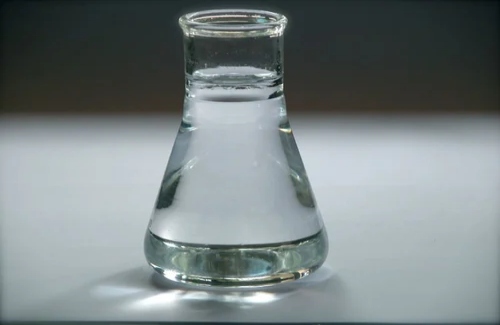
propylene glycol liquid


Benefits of Propylene Glycol in Cosmetics


Propylene Glycol PG is a versatile additive that plays a critical part in the formulation of skin care and personal care products.

Humectant: Propylene glycol is a water-absorbent substance that functions as a moisturizer. The addition of propylene glycol in cosmetics and skin care products is conducive to attracting moisture to the outermost layer of the skin, thereby providing the skin with a multitude of moisturizing properties. Thus, cosmetics containing propylene glycol have a remarkable impact on moisturizing the skin and preventing it from drying out and tanning.

Emollient: Emollient is an extremely important ingredient that contributes to soothing and moisturizing the skin. And it is instrumental in keeping the skin smooth and radiant. Propylene Glycol PG can act as an emollient, which is helpful in forming a protective layer on the skin that prevents moisture loss and leaves the skin supple and radiant.

Solvent: Propylene glycol liquid contributes to the solubilization of other actives in the product formulation, allowing them to mix well and work in good synergy. Propylene glycol solvent also acts as a carrier for the active ingredients and helps to enhance the penetration of other nutrients into the skin. Furthermore, as a solvent, Propylene Glycol PG is conducive to improving the texture and consistency of cosmetic products, thus helping them to spread better on the skin and enhance their absorption.

Anti-Aging Benefits: Because there's a natural moisturizer in the skin, it will become dry as we age. At this time, the skin will show signs of aging, such as wrinkles and rough skin. But if you use skin care products that include Propylene Glycol PG as an ingredient, it is beneficial in slowing down the rate of aging of the skin, thus keeping the skin young and supple.
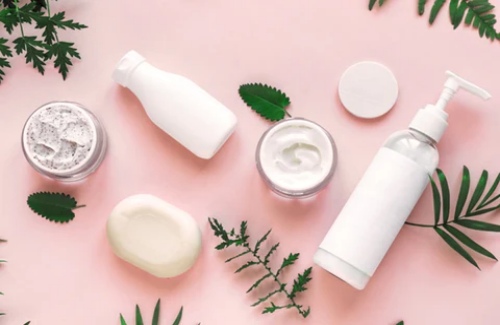
Propylene Glycol in Skin Care


Is Propylene Glycol in Cosmetics Safe?

You are likely to find propylene glycol ingredients in many topical cosmetic formulas. Therefore, Propylene Glycol PG is a safe, non-carcinogenic ingredient to use in skin care products.  Furthermore, skin care products containing propylene glycol e1520 have low volatility and are well tolerated without irritating the skin and causing redness.
 

The Takeaway

Propylene Glycol PG is an extremely important ingredient in cosmetics and skin care products. Apart from its use in cosmetics and personal care products, propylene glycol liquid has a large number of applications in the food and pharmaceutical industries.

Propylene glycol e1520 is categorized into three types namely propylene glycol food additive, 1 2 propylene glycol usp, and propylene glycol industrial. Our company CHEMSINO is able to provide many types of propylene glycol and other additives. If you want to get propylene glycol price per kg, do not hesitate to contact us.


Related Blog
SP vs Traditional Cake Emulsifiers
SP vs. Traditional Cake Emulsifiers: What's the Difference?
11 Mar 2026
Cake emulsifiers play an important role in improving batter stability, aeration, and final cake texture. Traditional cake emulsifiers such as GMS, PGMS, lecithin, PGPR, and SSL are often used individually or in custom blends to achieve specific functions. SP, however, is a compound emulsifier designed to combine several functional effects in one ingredient. Understanding the differences between SP and traditional cake emulsifiers helps bakers and food manufacturers select suitable solutions for different cake formulations and production needs.
What Are Glycerol Monostearate Uses and Benefits
24 Nov 2023
Glycerol monostearate (GMS) may sound like a complex chemical compound, but its uses span a wide range of industries and products. This versatile substance, also known as glyceryl monostearate or E471, is an ester of glycerol and stearic acid. Its unique properties and benefits make it a valuable ingredient in various applications, from the food and pharmaceutical industries to cosmetics and beyond.
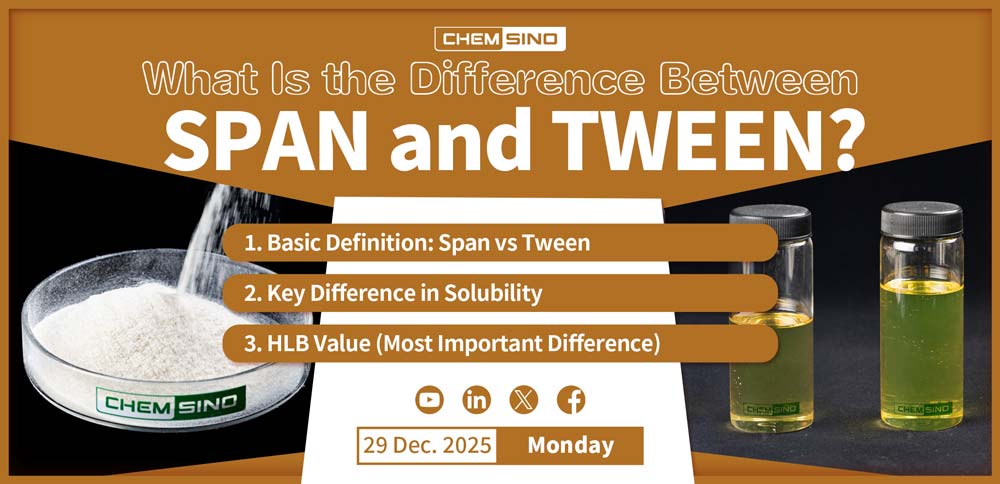
What Is the Difference Between Span and Tween
29 Dec 2025
Span and Tween emulsifiers are widely used non-ionic surfactants in food, pharmaceutical, and cosmetic formulations. Although both help mix oil and water, they differ significantly in solubility, HLB values, functional roles, and application performance. This article explains their key differences and practical uses in modern food formulations.
Start earning substantial
profits in your country today!
Email
Whatsapp