Key Considerations When Sourcing Food-Grade Glycerol Monolaurate
Date:2026-01-12
Read:
Share:
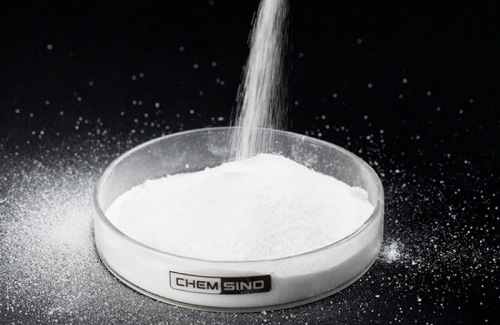
Glycerol monolaurate (GML), as a food ingredient, is widely used in baking, beverages, dairy products, confectionery, and other processed foods due to its emulsifying properties and antimicrobial activity. For food manufacturers and distributors, ensuring consistent product quality and compliance with regulatory requirements is crucial for maintaining product performance and consumer trust.
This guide outlines the key factors to consider when sourcing high-quality, food-grade glyceryl monolaurate.
1. Food-Grade Compliance and Regulatory Requirements
The first and most critical factor in sourcing GML is compliance with relevant food regulations. Food-grade GML must meet standards set by global authorities such as the FDA (USA), EFSA (EU), and local regulatory bodies. Manufacturers should:
· Confirm that the product is certified as food-grade and check permitted usage levels.
· Ensure that the labeling aligns with regional requirements, including allergen statements if necessary.
· Verify that the supplier can provide regulatory declarations and compliance documentation upon request.
Choosing a compliant product not only ensures safety but also facilitates international trade and market acceptance.
2. Product Purity and Technical Specifications
GML emulsifier quality can vary based on raw material sources and production methods. Key specifications to evaluate include:
· Free glycerin and free fatty acid levels – low values indicate better stability and functionality.
· Moisture content and acid value – crucial for storage stability and shelf life.
Higher-quality GML provides reliable performance across different food systems, reducing variability in formulations.
3. Raw Material Source and Manufacturing Process
Understanding the production process helps assess product consistency and safety. GML is typically produced from lauric acid derived from coconut or palm oil, combined with glycerol through controlled esterification and purification. Key considerations include:
· Traceability of raw materials to ensure food safety and sustainability.
· Batch-to-batch consistency to prevent variations in emulsification or antimicrobial effectiveness.
· Controlled manufacturing processes to minimize contamination risks and improve overall stability.
4. Functional Performance in Food Applications
Different applications require specific functional properties. When evaluating GML emulsifier, manufacturers should consider:
· Emulsification efficiency in fat-based, oil-in-water, or complex mixed systems.
· Antimicrobial activity against spoilage bacteria, yeasts, and molds in various food matrices.
· Impact on flavor, aroma, and texture, ensuring that GML enhances rather than alters product characteristics.
Practical testing through sample trials is highly recommended before scaling up.
5. Safety Documentation and Certificates
A reliable GML supplier should provide complete technical documents for quality control and regulatory review, including COA, MSDS/SDS, and TDS.
For international food markets, additional certifications are often required. Depending on the application and destination, ISO, Kosher, Halal, RSPO, Vegan, and Non-GMO certifications may also be available.
These certifications support regulatory approval, clean-label positioning, sustainability goals, and market access, helping simplify audits and ensure smooth global distribution.
6. Supply Stability and Lead Time
For commercial food production, a consistent supply is essential. When sourcing GML, evaluate:
· Production capacity and inventory levels.
· Reliability of delivery schedules to avoid production downtime.
· Ability to provide customized solutions for large-scale or specialized formulations.
A stable supplier reduces operational risks and ensures continuous product availability.
7. Cost Considerations and Long-Term Value
While price is an important factor, it should not outweigh quality and support services. Low-cost alternatives may compromise purity, consistency, or technical assistance. Evaluating the overall value—including documentation, regulatory compliance, technical support, and reliability—leads to better long-term results.
Conclusion
Purchasing food-grade glycerol monolaurate (GML) requires a comprehensive evaluation of regulatory compliance, purity, raw material sources, safety documentation, and supplier reliability, not just price. By carefully evaluating these factors, manufacturers and distributors can select a reliable monolaurin supplier.
If you are looking for GML emulsifier solutions, Chemsino is an experienced food ingredient expert, providing complete documentation and excellent pre-sales and after-sales service to help you improve formula success rate and product quality.