Home
Products
Emulsifier List
Application
Gallery
News
Blog
About Us
About Us
Contact Us
Your Position : Home > Blog

Polyglycerol Esters (PGE) vs Distilled Monoglycerides (DMG)

Date:2026-04-17
Read:
Share:
Polyglycerol Esters (PGE) and Distilled Monoglycerides (DMG) are both commonly used food additives around the world. They are essential for creating stable, uniform, and premium products. While both serve as emulsifiers, they differ significantly in structure, functionality, and application performance. Understanding these differences is critical for manufacturers aiming to optimize formulations and product quality. 
 

What is PGE (Polyglycerol Esters of Fatty Acids)?


Polyglycerol esters are produced by esterifying polyglycerol with fatty acids, resulting in a highly versatile emulsifier.

Key Characteristics:

· Highly customizable structure (adjustable HLB value)

· Strong emulsifying performance

· Excellent stability under heat and acidic conditions

· Suitable for complex food systems

PGE is widely used in beverages, dairy, whipping creams, and emulsified sauces, especially where long-term stability is required.

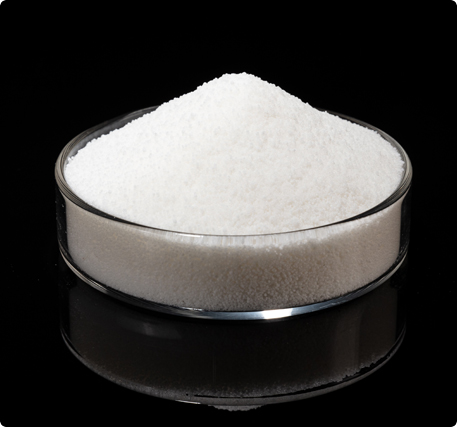
pge-e475-chemsino


What is DMG (Distilled Monoglycerides)?


Distilled monoglycerides (DMG), also known as GMS 90%, are produced through molecular distillation, resulting in a high concentration of monoglycerides.

Key Characteristics:

· ≥90% monoglyceride content

· Cost-effective and widely available

· Excellent anti-staling properties

· Strong interaction with starch

DMG is one of the most commonly used emulsifiers in bakery and processed foods.


PGE vs DMG: Key Differences


1. Chemical Structure & Flexibility


PGE: Complex, multi-functional structure with adjustable properties

DMG: Simple structure, mainly monoglycerides

PGE offers greater formulation flexibility, while DMG is more standardized.


2. Emulsification Performance


PGE: Strong emulsification, ideal for oil-in-water systems

DMG: Moderate emulsification, better for structure modification

PGE is preferred in beverages and liquid emulsions, while DMG is often used in solid or semi-solid systems.

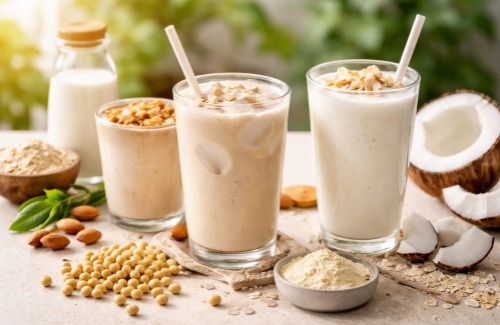
PGE in protein drinks


3. Stability (Heat, Acid, Processing)


PGE: Excellent stability under heat and acidic conditions

DMG: Less stable in complex or harsh processing environments


PGE performs better in UHT beverages and acidic drinks.


4. Functional Benefits


PGE:

· Improves emulsion stability

· Enhances mouthfeel

· Prevents oil separation

DMG:

· Anti-staling in the bakery

· Improves crumb softness

· Enhances dough handling

DMG is irreplaceable in bread and cakes, while PGE excels in liquid systems.


5. Cost Consideration


PGE: Higher cost due to complex production

DMG: More economical and widely used

DMG is ideal for cost-sensitive, large-scale production.


Application Comparison

Application

PGE

DMG

Beverages

⭐⭐⭐⭐⭐ (Excellent stability)

⭐⭐ (Limited)

Dairy

⭐⭐⭐⭐

⭐⭐⭐

Bakery

⭐⭐

⭐⭐⭐⭐⭐ (Best choice)

Whipped Cream

⭐⭐⭐⭐⭐

⭐⭐⭐

Margarine

⭐⭐⭐⭐

⭐⭐⭐⭐


When Should You Choose PGE?

Choose PGE when your product requires:

· Long-term emulsion stability

· Resistance to heat and acid

· Smooth texture in liquid systems

· High-performance emulsification

Typical applications:

· Flavored beverages

· Plant-based drinks

· Whipping cream

· Sauces and dressings


When Should You Choose DMG?

Choose DMG when your priority is:

· Cost efficiency

· Bakery performance (anti-staling)

· Dough conditioning

· Simple formulations

Typical applications:

· Bread and cakes

· Biscuits and pastries

· Margarine

· Instant foods

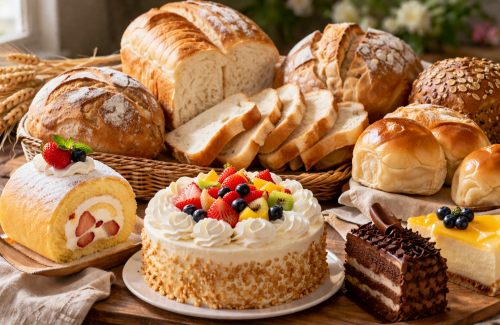
DMG in bread and cake


Can PGE and DMG Be Used Together?

Yes — and this is often the best solution.

In many formulations, combining PGE and DMG can:

· Improve overall emulsion stability

· Enhance texture and mouthfeel

· Balance cost and performance

This is especially common in bakery creams, dairy systems, and complex processed foods.


Global Supply and Manufacturers

Both PGE and DMG are produced by leading global ingredient companies such as:

1. International Flavors & Fragrances

2. Palsgaard

3. Corbion

4. Cargill

5. CHEMSINO

Manufacturers like CHEMSINO provide both PGE and DMG with flexible specifications and competitive pricing, supporting global food producers.


Conclusion

PGE and DMG are both essential emulsifiers, but they serve different functional roles:

PGE → Best for stability, complex emulsions, and liquid systems

DMG → Best for bakery, anti-staling, and cost-effective applications

For modern food manufacturing, the smartest approach is not choosing one over the other—but using them strategically based on application needs.

Start earning substantial
profits in your country today!
Email
Whatsapp