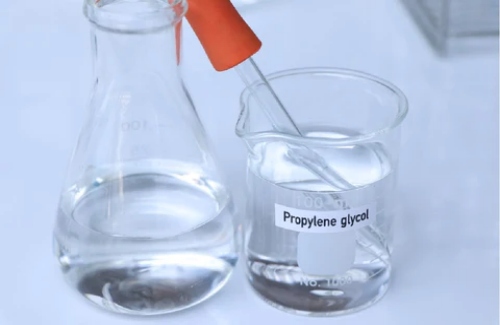
Propylene glycol (PG) — also known as mono propylene glycol (MPG) or 1,2-propanediol — is one of the most versatile industrial chemicals in global trade today. From food humectants and pharmaceutical excipients to antifreeze fluids and polyester resins, its applications span virtually every major industry. As we move through 2026, the global PG market is in a period of meaningful expansion, shaped by rising demand across multiple end-use sectors, a growing shift toward bio-based production, and significant new capacity coming online — particularly in Asia.
This article breaks down the key market trends, regional dynamics, and pricing signals that buyers, formulators, and procurement managers should be tracking right now.
1. Global Propylene Glycol Market Overview
The global propylene glycol market is projected to reach approximately USD 5.3–5.5 billion in 2026, up from around USD 4.9–5.1 billion in 2025. Multiple independent research firms point to a compound annual growth rate (CAGR) of between 5% and 7.7% through 2030 and beyond, depending on the segment and methodology.
On a volume basis, the market is expected to surpass 5.36 million metric tons in 2026, with demand driven by a combination of industrial growth, expanding pharmaceutical manufacturing, and rising consumption in the personal care and food processing sectors.
Key factors powering this growth include:
* Expanding use of unsaturated polyester resins (UPR) in wind energy blades, construction composites, and marine infrastructure
* Rising pharmaceutical demand for USP-grade PG as a solvent and excipient in injectable and topical drug formulations
* Growth in electric vehicle (EV) production, which drives demand for PG-based thermal management and heat-transfer fluids
* Increased processed food consumption globally, particularly in emerging economies
2. Food and Pharmaceutical Demand Continues to Grow
Food & Beverage
Food-grade propylene glycol (E1520) accounts for approximately 28% of market share, making it the second-largest application segment. PG is approved by both the FDA (21 CFR 184.1666) and the European Food Safety Authority (E1520), making it one of the few synthetic humectants accepted globally without labeling complications. It is used as:
* A humectant and moisture-retaining agent in baked goods
* A solvent for food colorings and flavorings
* A preservative in canned fruits, jams, sausages, and smoked seafood
* An emulsifier and texture improver in dairy and confectionery products
Rising demand for packaged and processed foods — especially across Asia, the Middle East, and Africa — is sustaining healthy growth in food-grade PG consumption.
Pharmaceuticals & Personal Care
The pharmaceutical segment is forecast to grow at the fastest rate, with a CAGR exceeding 8% through 2031. USP-grade PG is widely used as an excipient in liquid oral formulations, injectable drugs, topical creams, and dermatological treatments. The global expansion of generic drug manufacturing, particularly in India and China, is a key contributor.
In personal care, PG functions as a humectant, emollient, and solvent in skincare serums, haircare products, and hygiene formulations. This segment is projected to grow at approximately 5.5% CAGR, supported by rising beauty and wellness spending in urbanizing economies.
Functional Fluids (Antifreeze, De-icing, HVAC)
PG-based functional fluids — including antifreeze, de-icing agents, and heat-transfer media — represent around 24% of market share by volume. The transition to electric vehicles is particularly important here: PG-based coolants are preferred over ethylene glycol in many EV battery thermal management systems due to PG's lower toxicity profile. More than 89 million vehicles globally already rely on PG-based coolants.
3. Bio-Based Propylene Glycol Is Expanding Rapidly
One of the most significant structural trends in the 2026 propylene glycol market is the accelerating shift toward bio-based production. Bio-based PG, derived from renewable feedstocks such as glycerin (a byproduct of biodiesel production) and corn starch, now accounts for a growing share of total capacity.
In December 2025, ADM expanded its bio-based PG production capacity in North America specifically to address growing demand from the food, pharmaceutical, and personal care sectors. Dow's Thailand facility — now the largest PG plant in Asia Pacific at 250,000 tons/year — holds ISCC PLUS certification, reflecting the premiumization of certified sustainable supply chains.
Demand for bio-based PG has grown by over 47% in recent years, driven by:
* Circular economy mandates from European and North American buyers
* Corporate sustainability commitments requiring renewable-sourced inputs
* Consumer preference for "green" certified ingredients in food and personal care
For buyers sourcing food-grade or USP-grade PG, bio-based and sustainability-certified supply chains are increasingly a procurement requirement, not simply a preference.
4. Cosmetics and Personal Care Applications Are Increasing
The cosmetics and personal care industry remains one of the key growth sectors for propylene glycol.
Propylene glycol is commonly used in:
* Skin care products
* Moisturizers
* Shampoos
* Deodorants
* Makeup products
* Toothpaste
Its functions include:
* Moisture retention
* Texture improvement
* Solubilization
* Product stabilization
The global beauty and personal care market continues to expand, especially in Asia and emerging economies, supporting further growth in propylene glycol demand.
At the same time, manufacturers are increasingly focusing on high-purity and low-irritation formulations.

5. Regional Dynamics: Asia-Pacific in the Lead
Asia-Pacific
Asia-Pacific remains the dominant region, accounting for roughly 46% of global PG volume in 2025. China and India are the primary demand centers.
China is projected to grow its PG market at a CAGR of 8.5% through 2036, the highest among key countries. Domestic capacity additions have been aggressive — in late 2024, Lihuayi Group added 180,000 tons/year of new PG capacity, and Wanhua Chemical brought an 80,000 ton/year unit online in November 2024. While this benefits downstream buyers through competitive pricing, it has weighed on near-term margins for commodity-grade producers.
India is growing at a CAGR of approximately 7.9%, driven by rapid infrastructure development, expansion of the pharmaceutical generic drug sector, and government-backed growth in food processing.
Middle East & Africa
Despite a smaller current base, the Middle East & Africa region is forecast to register the highest CAGR of approximately 8.66% through 2031, supported by integrated petrochemical investments in Saudi Arabia and the UAE, and rising consumer demand across African markets.
North America
North America holds roughly 29% of global PG consumption and is characterized by high demand for food-grade and USP-grade material, driven by its mature pharmaceutical and food processing industries. Bio-based PG is gaining significant market share here as regulatory and ESG pressures mount.
Europe
Europe contributes approximately 24% of global demand and is characterized by stable procurement, stringent regulatory standards, and strong preference for certified sustainable supply. Pricing in Europe has remained relatively stable in early 2026, supported by balanced supply-demand fundamentals.
6. Supply Chain and Sourcing Considerations
Several supply chain factors are particularly important for PG buyers in 2026:
Grade certification matters more than ever. The divergence between commodity-grade industrial PG and certified food/pharma-grade material has widened. Buyers in the food and pharmaceutical sectors should ensure suppliers hold ISO 22000, Halal, Kosher, and USP certifications, and that batch traceability documentation (COA, TDS, MSDS) is readily available.
Chinese export volumes remain significant. China continues to be a major exporter of both industrial and food-grade PG. Buyers sourcing from Chinese manufacturers benefit from competitive pricing but should verify quality certifications, purity specifications (99.5% minimum for food grade), and logistics lead times.
Lead times and inventory. With 15–20 day shipping lead times from Chinese ports to most global destinations, buyers should plan procurement windows accordingly and consider safety stock levels given ongoing freight market fluctuations.
Flexible packaging. For liquid PG, the standard packaging is 200 kg drums or 1,000 kg IBC tanks. Buyers with non-standard volume requirements should work with suppliers who can accommodate customized packaging.
7. What This Means for Your Business
Whether you are a food manufacturer, pharmaceutical formulator, personal care brand, or industrial chemical distributor, 2026 presents a broadly favorable environment for propylene glycol procurement:
* Pricing is competitive, especially in Asia, making this a good time to establish or renegotiate supply agreements.
* Bio-based and certified sustainable PG is increasingly available and should be part of any long-term sourcing strategy for regulated markets.
* Demand growth is structural, not cyclical — meaning PG supply reliability and partner quality will matter as much as price over the medium term.
* Asia-Pacific suppliers with certified food and pharma grade capacity are best positioned to serve global buyers with both competitive pricing and documentation compliance.
How Chemsino Supports Your Propylene Glycol Sourcing?
Founded in 2006 and headquartered in Zhengzhou, China, Chemsino is a certified manufacturer and supplier of Mono Propylene Glycol (MPG) in Food Grade, Industrial Grade, and USP Grade. Our MPG products meet the full range of international specifications, including:
* Food Grade MPG (E1520): 99.5% minimum purity, suitable for bakery, dairy, beverages, confectionery, and preservation applications
* USP Grade MPG: Meeting United States Pharmacopeia standards for pharmaceutical and personal care use
* Industrial Grade MPG: For antifreeze, resins, coatings, and functional fluid applications
All Chemsino products carry ISO 9001, ISO 22000, Halal, Kosher, and RSPO certifications. We supply customers in more than 50 countries across South America, the Middle East, Africa, and Europe, with flexible packaging options, no minimum order quantities on samples, and shipment within 15–20 days from confirmed order.
Ready to discuss your propylene glycol requirements? Get in touch with us today for a quick and free quote.

 Emulsifier List
 About Us

 vs_ Citric Acid Monoglyceride (Citrem).jpg)