Home
Products
Emulsifier List
Application
Gallery
News
Blog
About Us
About Us
Contact Us
Your Position : Home > Blog

Common FAQs About Propylene Glycol Esters (PGMS)

Date:2026-04-15
Read:
Share:
Propylene Glycol Esters of Fatty Acids (PGMS, E477) is a widely used food emulsifier known for its strong foaming and aeration properties. Here are the questions buyers and formulators ask most often.
 

1. What is the difference between PGMS 40% and PGMS 90%?


The percentage refers to the active monoester content. PGMS 40% contains approximately 40% propylene glycol monostearate, with the remainder being diesters and other components. PGMS 90% is a higher-purity grade with stronger foaming and emulsifying performance. For standard cake and bakery applications, PGMS 40% is commonly used. For whipped toppings, non-dairy cream, and formulas requiring maximum aeration, PGMS 90% is preferred.
 

2. What is the typical dosage of PGMS in food applications?


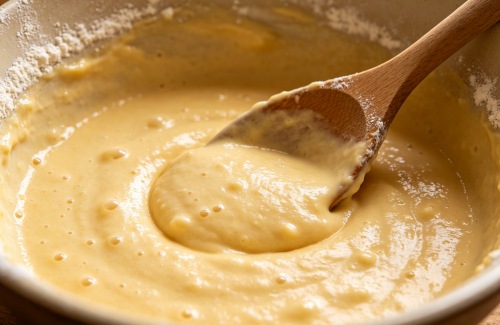
Usage levels vary by product. In cake batters, PGMS is typically used at 0.3–0.8% of total batter weight. In whipping cream and non-dairy toppings, 0.2–0.5% is standard. In ice cream, 0.1–0.3% is common. Always start at the lower end of the range — overdosing can produce an excessively stiff or waxy texture.

pgms-in-cake-batters


3. How do you dissolve or incorporate PGMS into a formulation?


PGMS emulsifier is oil-soluble and insoluble in cold water. The correct incorporation method is to dissolve it in the fat or oil phase of the formula, warmed to 45–60°C, before combining with the water phase. Adding PGMS directly to cold water or cold batter leads to poor dispersion and uneven performance.
 

4. Can PGMS be used together with other emulsifiers?


Yes — and it often works better in combination. PGMS is frequently used alongside DMG (E471) in cake gel systems, where DMG contributes starch complexing and anti-staling while PGMS handles aeration and foam stability. In whipped topping formulas, PGMS combined with GMS improves both overrun and texture stability. Combining emulsifiers with complementary functions is standard practice in commercial formulation.
 

5. What is the shelf life of PGMS, and how should it be stored?


Standard shelf life is 12 months in unopened original packaging. Store below 25°C in a cool, dry, well-ventilated area away from direct sunlight and heat sources. PGMS can soften or partially melt at temperatures above 40°C, which affects flowability and dosing accuracy. Keep the packaging sealed to prevent moisture absorption.
 

6. Does PGMS affect the flavor of food products?


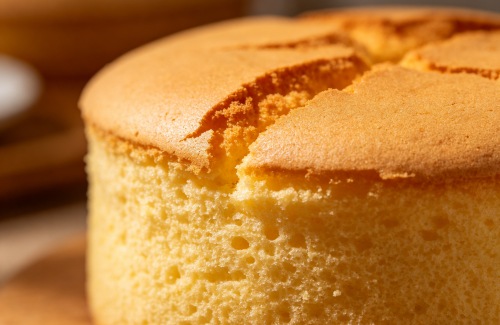
At normal usage levels, PGMS has no detectable effect on flavor or odor. It is functionally neutral in taste, which makes it suitable for delicately flavored products like vanilla sponge cakes, neutral whipped toppings, and dairy-based desserts.

pgms-in-sponge-cake


7. What certifications should I request when sourcing PGMS?


For most international food production, request current Halal, Kosher, ISO 22000, and ISO 9001 certificates. If your customers or markets require sustainable palm sourcing, confirm whether the product is available under an RSPO-certified supply chain. Always verify that certifications are current — not expired copies.
 

8. Is PGMS approved for use in food globally?


Yes. PGMS (E477) is approved under EU food additive regulations, holds FDA GRAS status in the United States, and is accepted under Codex Alimentarius for international trade. It is permitted in bakery, dairy, confectionery, and other food categories across most major markets. Confirm the specific maximum permitted levels for your product category and target market before finalizing your formulation.

pgms-emulsifier-in-ice-cream


9. What is the difference between PGMS (E477) and PGE (E475)?


Both are propylene glycol-based emulsifiers, but they have different structures and applications. PGMS (E477) is produced from propylene glycol and stearic acid and excels in foaming, aeration, and smooth texture in creamy or frozen systems. PGE (E475) — Polyglycerol Esters of Fatty Acids — has better heat resistance and is more commonly used in bakery applications requiring structural improvement. For aerated products like sponge cakes and whipped toppings, PGMS is typically the better choice.
 

10. Can PGMS be used in reduced-fat formulations?


Yes. PGMS is useful in reduced-fat cakes, toppings, and dairy alternatives where the lower fat content reduces natural emulsification. Its foaming properties help maintain aeration and volume that fat would normally support. In these formulas, PGMS is often used alongside SSL (E481) or DMG (E471) to cover both structure and stability.

Chemsino offers food-grade PGMS (E477) in 40%, 80%, and 90% grades, as well as emulsifiers including monoglycerides, DATEM, SSL, and PGPR. Feel free to contact us anytime to discuss your formulation requirements.
Start earning substantial
profits in your country today!
Email
Whatsapp