Home
Products
Emulsifier List
Application
Gallery
News
Blog
About Us
About Us
Contact Us
Your Position : Home > Blog

Frequently Asked Questions about Sodium Stearoyl Lactylate (SSL)

Date:2026-04-13
Read:
Share:
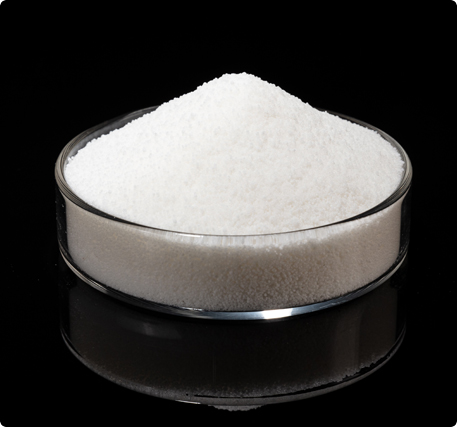
Sodium Stearoyl Lactylate SSL (E481) is an emulsifier made from stearic acid and lactic acid, neutralized with sodium. It appears as a white to slightly yellowish powder or flakes and is dispersible in warm or hot water. It improves dough strength, enhances texture, and helps extend shelf life. If you're sourcing it for the first time or evaluating suppliers, these are the questions that come up most often in practice.
 

What is the typical dosage of SSL in food applications?


Usage levels vary by application. In bread and yeast-leavened bakery products, SSL is typically used at 0.2–0.5% of flour weight. In non-dairy creamers and coffee whiteners, the range is 0.1–0.3% of total formula weight. In icings, fillings, and sauces, usage levels are typically around 0.2–0.25%, depending on formulation needs and local regulatory guidelines. Starting at the lower end of the range and adjusting based on product performance is the standard approach — overdosing SSL can over-stiffen dough or affect mouthfeel in dairy systems.
 

What is the difference between SSL (E481) and CSL (E482)?


SSL E481 and CSL E482 work through similar mechanisms by interacting with gluten proteins to strengthen dough structure and improve gas retention. The main difference is the counter-ion: SSL contains sodium, while CSL contains calcium. In general, SSL provides stronger dough conditioning, better softness, and more effective anti-staling performance.

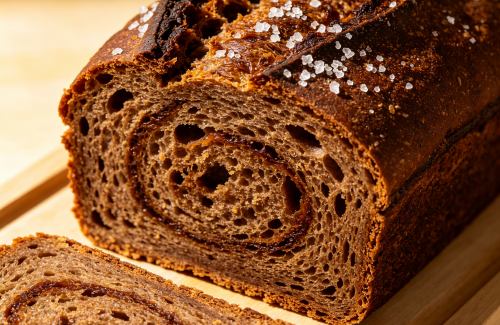
SSL in bread

CSL has a milder effect on dough strength and emulsification, and while it contributes small amounts of calcium, the nutritional impact is limited due to low usage levels. In practice, SSL is more widely used in bread and rich bakery products, while CSL may be preferred in specific formulations requiring a more moderate effect. They are not direct substitutes and should be tested in the actual formula.


What are the correct storage conditions for SSL?


SSL should be stored below 25°C in a cool, dry, well-ventilated area, away from direct sunlight and moisture. It is slightly hygroscopic — exposure to humidity causes clumping and reduces flowability, which affects dosing accuracy. Keep packaging tightly sealed after opening. Shelf life is typically 12 months under proper storage conditions in unopened original packaging.
 

What documentation should I request when sourcing SSL?


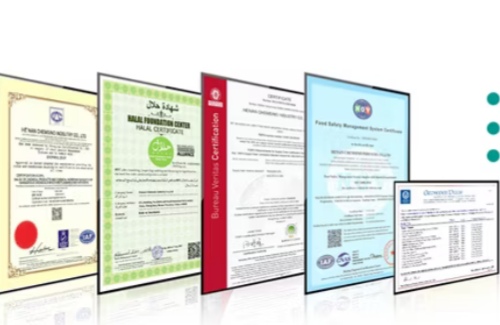
At minimum, request a Certificate of Analysis (COA), Technical Data Sheet (TDS), and Material Safety Data Sheet (MSDS) for each batch. For international food production, also confirm current Halal, Kosher, and ISO 22000 certifications — these are standard requirements for most markets. If sustainable palm sourcing matters to your brand, ask specifically whether the SSL is supplied under an RSPO-certified supply chain and which model (Segregated or Mass Balance) applies.

Food-Additives-ISO-Halal-Kosher-RSPO-Certificated


What purity grades of SSL are available, and does it matter?


SSL is commonly available at 80% and 100% active content. SSL 80% contains a higher proportion of carrier or diluent material and is lower cost, while SSL 100% is the pure active ingredient. For most food applications, SSL 80% performs well. If you're formulating at precise dosage levels or working with a concentrated bread improver blend where total ingredient weight matters, SSL 100% gives more control. Confirm the active content percentage with your supplier before making formulation adjustments.
 

Can SSL be used in gluten-free products?


SSL is often included in gluten-free formulations — particularly those based on rice flour, corn flour, or legume flours — to compensate for the absence of a natural gluten network. It helps improve dough cohesion, moisture retention, and the texture of the finished product. However, the effect is more limited than in wheat-based dough, since there are no gluten proteins to interact with. SSL is typically combined with other emulsifiers and hydrocolloids in gluten-free systems for best results.
 

Is SSL approved for use in food globally?


Yes. SSL (E481) is approved by EFSA for use across the EU, holds FDA GRAS status in the United States, and is accepted under Codex Alimentarius for international trade. It is also approved in most major food markets worldwide. Always verify the specific permitted applications and maximum usage levels for your target market, as these can vary by product category.

Chemsino supplies food-grade SSL (E481) in both 80% and 100% grades, certified Halal, Kosher, RSPO, ISO 9001, and ISO 22000. Contact us to request samples or documentation.
Related Blog
Why Are Bread Emulsifiers Important in Baking
06 Nov 2024
Emulsifiers are essential ingredients in bread making that significantly improve dough performance, texture, and shelf life, as well as enhance the final product's flavor and appearance. They play a crucial role in creating high-quality bread with optimal volume, texture, and freshness. This article explores the key functions of emulsifiers in bread making and provides usage methods and considerations to achieve the best results.
Plant-Based Emulsifiers vs Animal-Based Emulsifiers
23 Jan 2026
As global food markets shift toward clean labels, sustainability, and dietary transparency, choosing between plant-based and animal-based emulsifiers has become a strategic decision for food manufacturers. While both types serve the essential function of stabilizing oil and water systems, they differ significantly in raw material origin, regulatory flexibility, consumer perception, and application versatility. Understanding these differences is critical for brands aiming to meet global compliance requirements, strengthen market positioning, and support long-term growth
glycerol monolaurate functions and applications
Glycerol Monolaurate (GML): Properties, Functions, and Applications
06 Mar 2026
Glycerol Monolaurate (GML) is a versatile food ingredient that functions as both an emulsifier and a broad-spectrum antimicrobial agent. Its unique combination of emulsifying, antibacterial, and anti-inflammatory properties allows it to perform multiple roles in a single formulation, making it valuable for bakery, beverage, dairy, and nutritional products. GML helps improve texture, extend shelf life, and support food safety in a wide range of applications.
Start earning substantial
profits in your country today!
Email
Whatsapp