Home
Products
Emulsifier List
Application
Gallery
News
Blog
About Us
About Us
Contact Us
English
Your Position : Home > Blog

How to Solve Common Bread Dough Problems

Date:2025-10-13
Read:
Share:
Problems such as sticky dough and poor rise are common challenges in the bread market. Understanding the causes of these problems can help you achieve excellent baking results. This blog explores some of the most common bread dough problems and how to solve them.
 

1. Sticky Dough


Sticky dough usually occurs when there’s too much water or the gluten structure isn’t developed enough. Begin by kneading the dough longer; kneading strengthens gluten, helping the dough trap gases and maintain its shape. If it’s still sticky, lightly dust your hands and work surface with flour, but avoid adding too much, as excess flour can make bread tough.

In commercial baking, sticky dough can slow down production and reduce efficiency. To improve dough handling, emulsifiers such as DATEM (E472e) or Sodium Stearoyl Lactylate (SSL, E481) are often used. These ingredients strengthen the gluten network and make the dough smoother and easier to process, especially in automated systems.

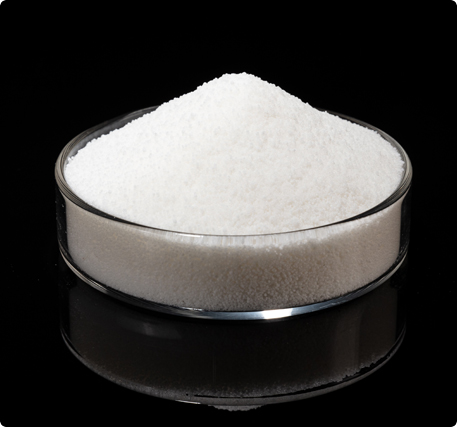
Datem and SSL emulsifier in bread dough


2. Dough Doesn't Rise


A common reason dough fails to rise is inactive or damaged yeast. Always check expiration dates and ensure the water used to activate yeast is warm but not hot, ideally around 38–43°C (100–110°F). Water that’s too hot can kill yeast instantly. Also, avoid sprinkling salt directly on yeast, as it inhibits fermentation.

For better gas production and dough volume, enzymes such as amylase or xylanase can be added. They break down starches and hemicellulose into simple sugars that feed yeast and enhance fermentation. In industrial applications, this helps achieve consistent proofing and improved loaf volume.


3. Dense or Heavy Bread


Dense bread usually means the dough didn't trap enough gas during fermentation. Common causes include weak flour, under-kneading, or too much sugar or fat, which can inhibit gluten development. Use strong bread flour or add vital wheat gluten to boost dough strength.

For industrial production, emulsifiers such as DATEM (E472e) play a key role in improving gas retention. By reinforcing the gluten matrix, DATEM ensures even expansion during baking, resulting in a lighter, softer, and more uniform loaf.


4. Crumbly or Dry Texture


Dry or crumbly bread is often caused by low dough hydration or overbaking. Increasing the water or fat content in your recipe can make the crumb more tender.

Emulsifiers like Glycerol Monostearate (GMS, E471) and monoglycerides are highly effective moisture retainers. They interact with starch molecules to delay retrogradation. The process that makes bread harden over time. As a result, bread stays soft, elastic, and fresh longer, which is especially beneficial for packaged or sliced bread.


5. Uneven Holes or Tunnels


Large air pockets or uneven crumb structures are caused by irregular gas distribution during fermentation or shaping. To prevent this, mix the dough thoroughly to ensure even gluten development, and degas gently before shaping. Consistent proofing temperature and humidity are also key; sudden changes can disrupt gas balance and lead to uneven holes.

In automated production lines, using emulsifiers like SSL or DATEM can help stabilize the dough matrix, promoting a more uniform crumb texture.

Food emulsifier in bread


6. Bread Stales Too Fast


Bread staling happens naturally as starch molecules recrystallize and moisture escapes. However, there are ways to slow it down. Proper cooling before packaging and storing bread in moisture-proof packaging are simple but effective steps.

To extend softness, bakers often use emulsifiers such as SSL (E481), DATEM (E472e), or GMS (E471). These help maintain moisture, delay starch retrogradation, and preserve the bread’s soft texture, essential for longer shelf life and better consumer satisfaction.


Final Thoughts


Most common bread dough problems stem from the balance of moisture, fermentation, and ingredients. Through process control and the right ingredients, you can create ideal bread.

As a baking ingredient expert, Chemsino offers solutions from emulsifiers to enzymes. Contact us for more details or to request a free sample.

 
Start Earning Substantial
Profits in Your Country Today!
Email
Whatsapp