Home
Products
Emulsifier List
Application
Gallery
News
Blog
About Us
About Us
Contact Us
English
Your Position : Home > Blog

DATEM Powder and DATEM Liquid: Differences in Bakery Production

Date:2025-10-11
Read:
Share:
In modern bakery and food manufacturing, emulsifiers play a key role in improving texture, dough stability, and overall product quality. One of the most widely used emulsifiers is DATEM (Diacetyl Tartaric Acid Esters of Mono- and Diglycerides, E472e), known for its excellent dough-strengthening and crumb-improving properties. 

However, DATEM is available in two main forms—powder and liquid—and understanding the differences between them helps manufacturers choose the right type for their specific production processes.


What Is DATEM (E472e)?


DATEM (E472e) is a versatile food emulsifier widely used in bakery applications such as bread, buns, and pastries. It improves gluten strength, enhances gas retention, increases bread volume, and creates a finer crumb structure.

Chemically, DATEM is formed by reacting mono- and diglycerides with diacetyl tartaric acid. It has both hydrophilic and lipophilic characteristics, allowing it to interact effectively with proteins and lipids in dough systems.


DATEM Powder: Easy Handling, Stable Performance


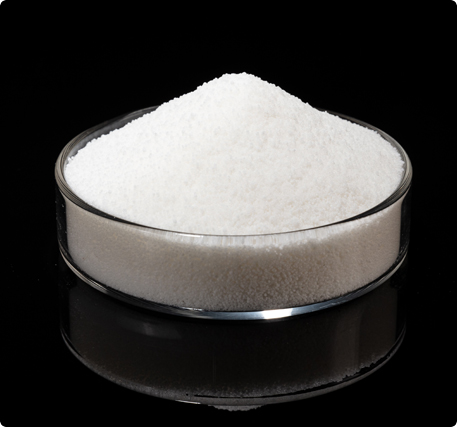
DATEM powder is a dry, free-flowing form that is easy to store, handle, and blend with other dry ingredients such as flour and enzymes.
 

Key Features


Form: Fine, off-white powder.

Composition: Contains DATEM and a small amount of carrier (e.g., starch).

Solubility: Dispersible in water and fats, depending on formulation.

Packaging: Typically packed in 20–25 kg bags.


Advantages


Convenient for dry blending: Ideal for premixes and ready-to-use bakery formulations.

Long shelf life: The powder form is less prone to oxidation and microbial growth.

Easier handling: No need for heating or specialized pumps during production.


Typical Applications


Bread and toast bread

Buns and rolls

Cake premixes and bakery improvers

DATEM powder is especially preferred by small and medium-sized bakeries where dry handling and storage stability are important.

DATEM powder for buns and rolls


DATEM Liquid: Designed for Industrial Efficiency


DATEM liquid is a viscous, oil-like form that provides excellent dispersion in fat systems and can be dosed accurately during continuous processing.
 

Key Features


Form: Amber-colored, viscous liquid.

Composition: High purity DATEM dissolved in carrier oil (such as vegetable oil).

Packaging: Usually in 20 kg pails or 200 kg drums.


Advantages


Excellent dispersion: Blends easily into fats and oils without dusting.

Precise dosing: Ideal for automated or high-speed production lines.

Uniform mixing: Ensures consistent product quality and performance.


Typical Applications


Industrial bread lines with automated dosing systems

Margarine, shortening, and other fat-based applications

High-speed continuous bakery production

DATEM liquid is favored by large-scale manufacturers due to its ease of integration into liquid systems and high production efficiency.


DATEM Powder vs. DATEM Liquid: A Technical Comparison

 
Property DATEM Powder DATEM Liquid
Appearance Fine, off-white powder Amber-colored viscous liquid
Carrier System Often starch-based Oil-based
Shelf Life Longer, highly stable Slightly shorter
Handling Easy dry blending Requires a pump or dosing system
Dusting Risk Possible None
Dispersion Best in flour and dry systems Best in fat and liquid systems
Processing Scale Small to medium Industrial-scale
Packaging 20–25 kg bags 20 kg pails or 200 kg drums


Choosing the Right Type of DATEM


The decision between DATEM powder and DATEM liquid should be based on production scale, equipment type, and product formulation:

Choose DATEM Powder if you need stability, flexibility, and simple dry blending — perfect for bakery improvers or manual production lines.

Choose DATEM Liquid if you operate high-speed industrial lines where automated dosing, clean handling, and uniform dispersion are priorities.

Ultimately, both forms provide the same core functionality — reinforcing gluten structure, improving loaf volume, and maintaining bread softness — but each offers unique operational advantages depending on your manufacturing setup.

Datem E472e emulsifier for breads


Sustainability and Formulation Trends


In today's baking industry, there is a growing interest in clean-label formulations and plant-based emulsifiers. DATEM remains a widely accepted additive due to its proven safety record and efficiency at low usage levels.

Manufacturers continue to innovate by optimizing DATEM concentration, purity, and form to enhance process stability while meeting modern sustainability standards. Both DATEM powder and DATEM liquid now come in non-GMO and palm-free options, supporting more responsible sourcing.


Conclusion


Whether in powder or liquid form, DATEM (E472e) emulsifier is an essential tool for achieving stable, soft, and high-volume bakery products. Understanding their differences allows food technologists and production managers to make smarter, more cost-effective choices for their specific applications.

At CHEMSINO, we supply high-quality DATEM emulsifiers in both powder and liquid forms — designed to perform reliably across diverse bakery systems. Our technical experts are ready to help you select the optimal formulation for your production needs.

Contact CHEMSINO today to explore our DATEM solutions and discover how we can help you enhance product performance and production efficiency.
Start Earning Substantial
Profits in Your Country Today!
Email
Whatsapp