Home
Products
Emulsifier List
Application
Gallery
News
Blog
About Us
About Us
Contact Us
Your Position : Home > Blog

Propylene Glycol Industrial Grade: Uses, Specifications, and Buying Guide

Date:2026-10-26
Read:
Share:

What Is Propylene Glycol Industrial Grade?


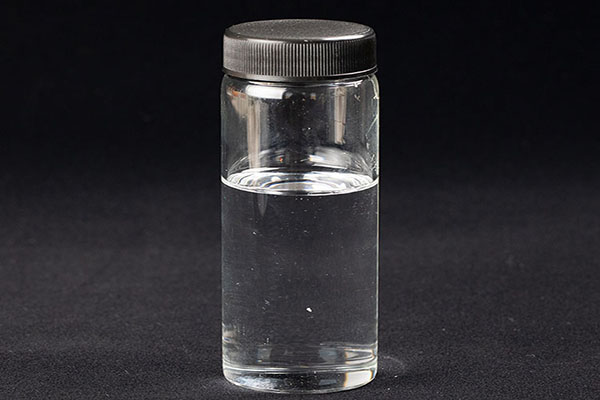
Propylene glycol industrial grade is a technical-grade form of 1,2-propanediol, also known as propylene glycol. Its CAS number is 57-55-6. It is a clear, colorless liquid that mixes well with water and has good solvent properties. It also has a relatively low freezing point and low vapor pressure.

These properties make industrial propylene glycol useful in several areas, including polyester resins, paints and coatings, antifreeze, heat-transfer fluids, detergents, and other industrial formulations. The important point for buyers is that industrial-grade PG is designed for technical applications. It should not automatically be used as a substitute for food-grade, USP, or EP propylene glycol.


What Is Propylene Glycol Industrial Grade Used For?


The main value of industrial-grade propylene glycol is its combination of water solubility, solvency, low volatility, and relatively low freezing point.

These properties allow it to perform different functions in different industrial systems. In one formulation, it may act mainly as a solvent; in another, it may be part of a heat-transfer or antifreeze system. It can also serve as a chemical raw material.

Common applications include:

# Unsaturated polyester resins
# Paints and coatings
# Liquid detergents and cleaners
# Antifreeze and coolant formulations
# Heat-transfer fluids
# Aircraft deicing fluids
# Agricultural adjuvants
# Selected lubricants, hydraulic fluids, and industrial formulations

Major glycol suppliers such as Dow and ADM list these applications for their industrial propylene glycol grades.

Propylene Glycol as an Industrial Solvent


One of the most useful properties of propylene glycol is its solvency. It can help dissolve or carry certain resins, dyes, oils, and other ingredients while also mixing well with water. This makes it useful in coatings, cleaners, detergents, agricultural formulations, and other systems where several ingredients need to remain compatible.

In a water-based formulation, PG can also function as a coupling agent, helping ingredients with different solubility characteristics work together more effectively.

The actual solvency, however, depends on the chemical being dissolved. A common mistake is to assume that because PG is water-miscible, it will dissolve every oil or resin. Formulators should test compatibility with the actual raw materials used in the product.

Propylene Glycol in Paints and Coatings


Industrial PG is used in paints and coatings for several reasons. It can act as a solvent or co-solvent, help control viscosity, and contribute to freeze-thaw stability in suitable water-based systems. It is also used as a raw material in some resin systems.

For a coating manufacturer, the important question is not simply whether PG can be used in paint. It is whether the selected PG grade provides the required purity, water content, color, odor, and consistency without negatively affecting drying, film formation, or other coating properties.

For this reason, a technical data sheet and application trial are more useful than selecting a product based only on its name.

Propylene Glycol for Unsaturated Polyester Resin


UPR is another important application. Propylene glycol can react with other raw materials during the production of unsaturated polyester resins and is used in resin systems for products such as composite materials, construction components, automotive parts, electrical applications, and other molded products.

In this application, raw-material consistency becomes particularly important. Variations in purity or composition can affect the resin manufacturing process and the properties of the final resin. For resin manufacturers, it is therefore useful to evaluate PG based on both the specification and its performance in the actual resin formulation.

Propylene Glycol in Antifreeze and Heat-Transfer Fluids


Propylene glycol can lower the freezing point of water, making it useful in coolants, antifreeze formulations, deicing fluids, and heat-transfer systems. The required PG concentration depends on the target freezing or operating temperature. Increasing PG concentration does not simply make a system better; it can also change viscosity and heat-transfer performance.

Industrial PG is therefore often selected as a raw material for formulating a heat-transfer fluid rather than being treated as a finished heat-transfer product by itself.

For systems exposed to metal equipment, corrosion protection should also be considered. Commercial heat-transfer fluids may contain corrosion inhibitors and other additives that are not part of neat propylene glycol.

Propylene Glycol in Detergents and Cleaners


Industrial PG can function as a solvent and coupling agent in liquid detergents and cleaners. It can help maintain compatibility between different ingredients and improve the handling characteristics of liquid formulations. Some industrial PG products are also used in systems where enzyme stabilization or solvent performance is required.

The right level depends on the formulation. Excessive PG can affect viscosity, drying behavior, cost, and other properties, so dosage should be established through formulation testing.

Industrial Grade vs USP/EP Propylene Glycol


This is one of the most important points when purchasing propylene glycol.
 
Item Industrial Grade PG USP/EP Grade PG
Main purpose Industrial and technical applications Food, pharmaceutical, cosmetic, and other regulated applications
Specification Industrial specification Pharmacopoeia specification
Typical applications Resins, coatings, detergents, coolants, deicing Food, pharmaceutical excipient, cosmetics, personal care
Regulatory requirements Depends on industrial application Higher grade-specific regulatory requirements
Substitution Not automatically suitable for sensitive applications Selected when the application requires USP/EP compliance
 

What Should You Check Before Buying?


When comparing industrial propylene glycol suppliers, start with the technical specification.

The most useful parameters usually include:

Purity: Important for both chemical reactions and formulation performance.
Water content: Particularly relevant to polyester resin and other moisture-sensitive processes.
Color: Important for clear or light-colored products.
Acidity and other quality parameters: Check these according to your process requirements.
Physical properties: Specific gravity and other agreed parameters can help with incoming quality control.

Also request a current TDS, SDS, and COA. The specification should match the requirements of your own production process.

How Much Does Industrial Propylene Glycol Cost?


The price of industrial PG depends on raw material costs, market conditions, specification, order volume, packaging, freight, and delivery location. For bulk purchasing, compare the total delivered cost, not just the price per ton.

A slightly cheaper product may not be more economical if it has inconsistent quality, requires formulation changes, or causes production problems. 
 

Conclusion


Propylene glycol industrial grade is a versatile raw material for resins, coatings, heat-transfer fluids, cleaners, and other industrial applications. When choosing a product, focus on purity, water content, color, consistency, and the required technical documentation. The right grade should match your process and final application, not just the target price.

CHEMSINO supplies industrial-grade propylene glycol with consistent quality and technical documentation. For product specifications, samples, or a quotation, contact us at info@cnchemsino.com.
 

FAQ


What is propylene glycol industrial grade?
It is a technical-grade form of propylene glycol (CAS 57-55-6) used in industrial applications such as resins, coatings, antifreeze, heat-transfer fluids, and detergents.

What is industrial propylene glycol used for?
Common uses include unsaturated polyester resin production, paints and coatings, antifreeze, heat-transfer fluids, detergents, cleaners, and other industrial formulations.

What is the difference between industrial and USP propylene glycol?
The main difference is the intended application and required specification. Industrial PG is designed for technical applications, while USP PG must meet the applicable USP requirements for regulated uses.

Can industrial-grade propylene glycol be used in food?
Not automatically. Food applications require a suitable food-grade product that meets the applicable regulatory requirements.

What documents should a PG supplier provide?
A supplier should normally provide a current TDS, SDS, COA, and product specification. Additional regulatory or quality documents may be required depending on the application and destination market.
Start earning substantial
profits in your country today!
Email
Whatsapp