PGPR and GMS Emulsifier System for Bakery Shortening
Date:2026-01-28
Read:
Share:
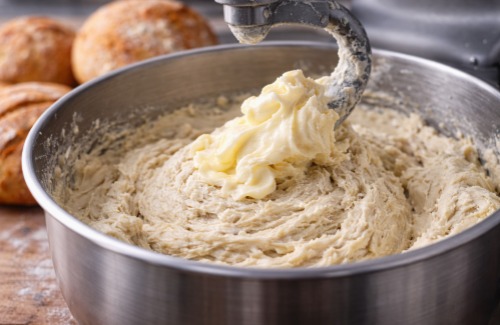
Baking shortenings rely on carefully controlled fat systems to ensure consistent processing and baking performance. Emulsifiers play a crucial role in controlling fat fluidity, crystal structure, and interactions with dough components. PGPR and GMS are two common ingredients in baking shortening formulations.
This blog explores why emulsifiers are important in baking shortenings, how PGPR and GMS work together, and the benefits of their synergistic effect.
Why Emulsifiers Are Important in Bakery Shortening
Bakery shortening is a fat-based system designed to deliver:
1. Plasticity and spreadability
2. Controlled aeration
3. Uniform fat distribution
4. Stable performance during mixing and baking
Without emulsifiers, shortening may show poor creaming ability, uneven texture, or unstable processing behavior. A well-designed emulsifier system helps manage fat structure, air incorporation, and interaction with dough ingredients.
· Enhances machinability during pumping and mixing
PGPR emulsifier does not significantly emulsify water, but it optimizes the internal fat network, which is critical for large-scale shortening production.
GMS emulsifier also contributes to the plasticity and consistency needed for reliable baking results.
How PGPR and GMS Work Together
When combined, PGPR and GMS create a balanced emulsifier system that addresses both fat flow and structural stability.
Synergistic Mechanism
PGPR reduces internal friction in the fat phase, improving flow and processing efficiency
GMS stabilizes the system by supporting emulsification and fat crystal structure
Together, they achieve better HLB balance and system stability
This synergy allows shortening to remain easy to process while still delivering excellent baking performance.
Functional Benefits of PGPR + GMS in Bakery Shortening
When used together, PGPR and GMS deliver several key functional benefits:
1. Improved plasticity and spreadability of shortening
2. More stable and uniform fat crystal structure
3. Enhanced dough machinability
4. Consistent texture under temperature fluctuations
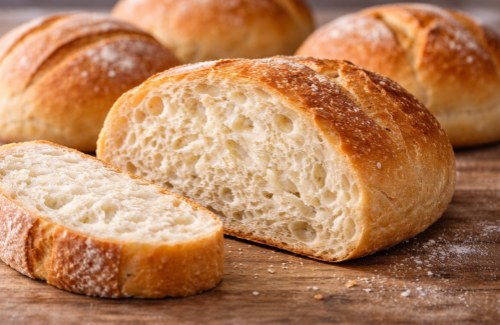
5. Better crumb structure and mouthfeel in finished baked goods
These advantages help manufacturers achieve both processing efficiency and high product quality.
Clean Label, Regulatory, and Market Considerations
Both PGPR (E476) and GMS (E471) are approved food additives in major global markets. Plant-derived GMS aligns well with clean-label and vegetarian product trends. When sourced from certified suppliers, the system can meet Halal and Kosher requirements.
The combination supports consistent quality while meeting regulatory and market expectations worldwide.
Conclusion
PGPR and GMS emulsifiers complement each other's functions. PGPR improves fat flow and viscosity control, while GMS provides emulsification, structure, and whipping stability. By using these two emulsifiers in combination, manufacturers can achieve consistent shortening quality and meet the evolving needs of the baking industry.
If you are looking for PGPR and GMS emulsifiers, Chemsino is a reliable long-term partner, offering comprehensive international certifications and no minimum order quantity. Please feel free to contact us for more detailed information.