Home
Products
Emulsifier List
Application
Gallery
News
Blog
About Us
About Us
Contact Us
Your Position : Home > Blog

Propylene Glycol VS Propylene Glycol Esters of Fatty Acids

Date:2023-12-20
Read:
Share:
Is propylene glycol the same as propylene glycol esters of fatty acids? Absolutely, No. They are distinct chemical compounds with different compositions, properties, and applications. In this article, let's delve a bit deeper into some differences between propylene glycol (PG) and propylene glycol esters of fatty acids (PGMS).


Here's a Brief Comparison Between the Two Additives


Chemical Composition:

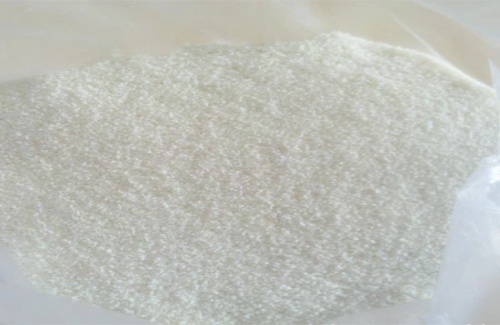
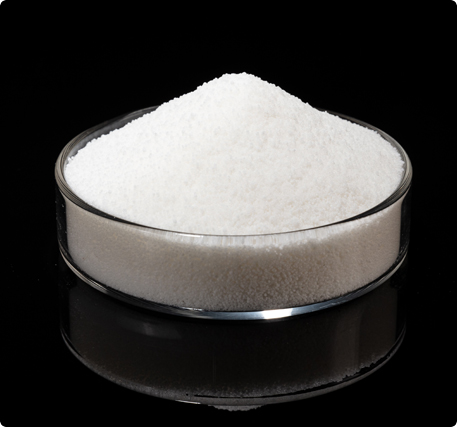
# Propylene Glycol Esters of Fatty Acids(PGMS): PGMS is in the form of a white powder or a waxy solid. PGMS emulsifiers with E-number E477 are esters formed by the reaction of propylene glycol with fatty acids. Propylene glycol esters are commonly categorized as PGMS40% and PGMS90%, representing different concentrations.

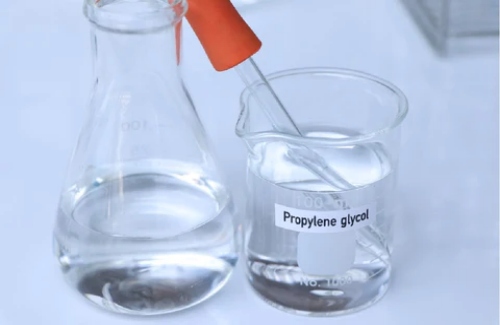
# Propylene Glycol (PG): Propylene Glycol (PG) is mainly produced by the hydration of propylene oxide. This process involves the reaction of propylene with oxygen to form propylene oxide, which then reacts with water to yield propylene glycol. Propylene glycol for sale is a type of alcohol with the chemical formula C3H8O2 with E-number E1520. Propylene glycol e1520 is a colorless, odorless liquid that is hygroscopic and miscible with water.


Different Uses:

Propylene Glycol Esters of Fatty Acids

Propylene glycol esters of fatty acids are primarily used in the food industry as emulsifiers and stabilizers. They are commonly found in baked goods, dairy products, whipped toppings, cakes, salad dressings, and other food items to improve texture, mouthfeel, and shelf stability.

propylene glycol esters of fatty acids e477

Bakery Products:
In the baking industry, PGMS emulsifiers are often used to improve the texture and moisture of baked goods. They can contribute to the softness of bread and the crumb structure of cakes.

Dairy and Frozen Desserts:
Propylene glycol esters are utilized in the production of dairy products and frozen desserts to enhance the creaminess and stability of the final products.

Chocolate and Confectionery:
E477 emulsifier can be used in the production of chocolates and confectionery items to improve the texture and mouthfeel of the products.

Margarine Production:
The secret to creating perfect margarine lies in the use of propylene glycol esters of fatty acids. These amazing ingredients help to maintain emulsion stability while also improving the creaminess of the margarine. Propylene glycol esters make margarine a popular alternative to traditional butter.


Propylene Glycol (PG)

There are three types of Propylene glycol, namely Propylene glycol food grade, Propylene glycol industrial grade, and Propylene glycol USP grade. That means propylene glycol ingredients have three main application sectors: food, cosmetics, and pharmaceutics.

propylene glycol for sale

Food Uses:
Propylene glycol food grade can be found in bakery products, cookies, pastries, cakes, dairy, and frozen desserts. Monopropylene glycol e1520 is used to improve texture, moisture retention, and the overall quality of these products. Also, propylene glycol liquid is commonly used as a solvent for flavors and colors in the food industry. It helps to evenly distribute these additives in various food and beverage products.

Industrial Applications:
Propylene glycol industrial grade is widely used in the production of plastics, paints, and antifreeze. In addition, propylene glycol is a common ingredient in cosmetics, skin care products, and personal care items. Monopropylene glycol e1520 contributes to the texture and moisture retention of these products. Its versatility makes it valuable in various manufacturing processes.

Medical and Pharmaceutical Uses:
Propylene glycol USP grade helps to solubilize and stabilize active ingredients. Therefore, monopropylene glycol usp is employed in the pharmaceutical industry for drug delivery in certain medications. Pharmaceutical propylene glycol is also used in medical products like topical creams and oral solutions.


In Summary


It's important to note that understanding the specific roles and properties of PG and PGMS is crucial for manufacturers in the various sectors. Therefore, makers from multiple industries should choose the right additives carefully. For those interested, you can find all the mentioned food additives for sale at CHEMSINO. Don't hesitate to contact us for detailed quotes and free samples.
Related Blog
Common FAQs About Propylene Glycol Esters
Common FAQs About Propylene Glycol Esters (PGMS)
15 Apr 2026
Propylene Glycol Esters (PGMS, E477) is a go-to emulsifier for aerated food products — from sponge cakes and whipped toppings to ice cream and non-dairy creamers. But choosing the right grade, using the correct dosage, and knowing how to combine it with other emulsifiers makes a real difference in production results. This article answers the ten most common questions buyers and formulators ask about PGMS — covering grades, dosage, solubility, emulsifier combinations, storage, certifications, and regulatory approval.
glycerol monolaurate functions and applications
Glycerol Monolaurate (GML): Properties, Functions, and Applications
06 Mar 2026
Glycerol Monolaurate (GML) is a versatile food ingredient that functions as both an emulsifier and a broad-spectrum antimicrobial agent. Its unique combination of emulsifying, antibacterial, and anti-inflammatory properties allows it to perform multiple roles in a single formulation, making it valuable for bakery, beverage, dairy, and nutritional products. GML helps improve texture, extend shelf life, and support food safety in a wide range of applications.
Emulsification Challenges in Coconut Beverages and Practical Solutions
24 Feb 2026
Coconut beverages are popular for their rich flavor and plant-based appeal, but maintaining stable emulsification can be challenging due to the unique properties of coconut oil. This article explains common emulsification problems in coconut beverages and outlines practical, proven solutions to improve stability, texture, and processing performance in commercial production.
Start earning substantial
profits in your country today!
Email
Whatsapp