Home
Products
Emulsifier List
Application
Gallery
News
Blog
About Us
About Us
Contact Us
Your Position : Home > Blog

How Distilled Monoglycerides Improve Bread Softness and Volume

Date:2026-03-04
Read:
Share:
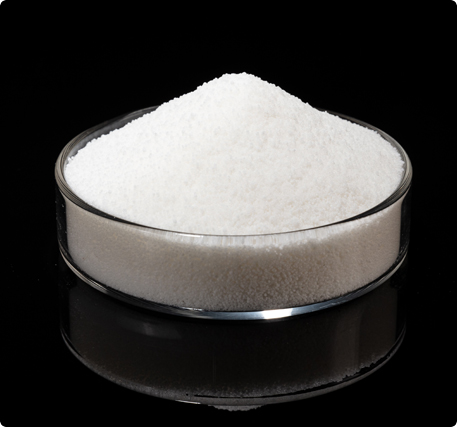
Distilled monoglycerides (DMG), also labeled as E471, are food-grade emulsifiers made from glycerol and fatty acids, usually sourced from vegetable oils like palm or sunflower oil. Through molecular distillation, the monoglyceride content is purified to 95% or higher, making DMG much more effective than regular mono- and diglycerides. They typically appear as white to off-white powder, flakes, or beads with a melting point above 60°C, and are widely approved for food use under EU E471 regulations, FDA GRAS status, and other international standards.

This blog systematically explains how distilled monoglycerides can improve bread volume, softness, and shelf life by improving gluten structure, stabilizing gas structure, and delaying starch aging.


How DMG Improves Bread Volume


Loaf volume is one of the most visible quality measures in commercial bread production, and one of the most sensitive to ingredient variation. Distilled monoglycerides contribute to volume through two main mechanisms.
 

Strengthening the Gluten Network


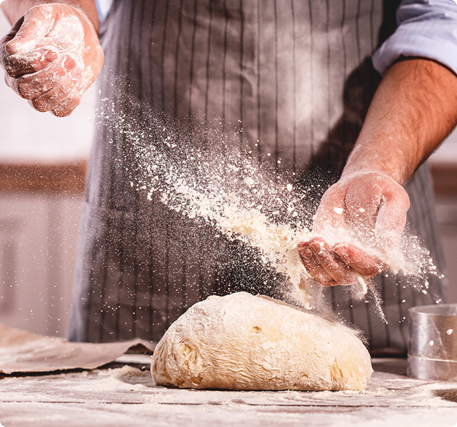
During mixing and fermentation, gluten forms the elastic network that gives dough its structure. DMG E471 interacts with gluten proteins, improving the extensibility of this network without making it overly tight or resistant. The result is dough that can stretch more as gas bubbles form during fermentation — holding more gas rather than letting it escape.
 

More gas retained = larger, more consistent loaf volume


This is especially noticeable in high-speed production lines where dough experiences mechanical stress. Without a gluten-strengthening emulsifier, that stress can partially collapse the gas cell structure before baking even begins.

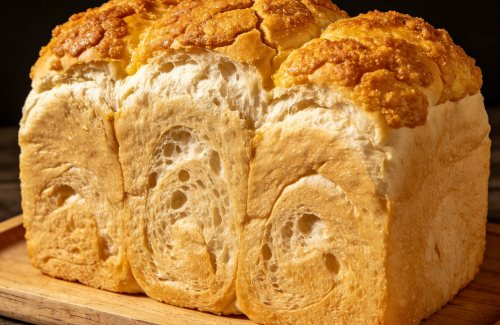
fluffy bread


Stabilizing Gas Cells


During proofing, yeast produces CO₂, which inflates thousands of tiny gas cells within the dough matrix. These cells need to stay intact through proofing, oven loading, and the early stages of baking. DMG helps stabilize the thin gluten films surrounding each gas cell, making them more resilient to rupture.

The practical effect is better oven spring — that final burst of volume expansion as the loaf enters the hot oven. Manufacturers familiar with the difference between a "flat" and a "full" bake will recognize this immediately.


How DMG Improves Bread Softness and Shelf Life


This is where distilled monoglycerides deliver their most commercially significant value, especially for packaged bread with a target shelf life of 7–14 days or longer.
 

Retarding Starch Retrogradation


Freshly baked bread goes stale not because it dries out (at least not initially), but because the starch inside undergoes retrogradation — a process where starch molecules recrystallize and firm up over time. This is what makes bread feel dense and crumbly two days after baking, even when it's still sealed in packaging.

DMG E471 emulsifier directly interferes with this process. The monoglyceride molecule forms a complex with amylose — one of the two main starch components — wrapping around it and physically preventing the starch chains from realigning and crystallizing. This complex is stable and doesn't reform into the retrograded structure that causes staling.

The result is bread that stays noticeably softer for longer, often extending perceived freshness by several days compared to a control formula without DMG emulsifier.

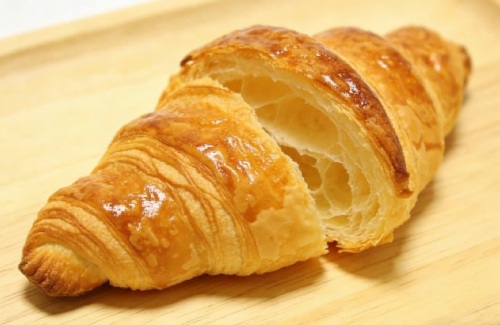
Soft bread


Improving Crumb Structure


Beyond staling, DMG also affects the crumb texture from the moment bread comes out of the oven. Improving gas cell distribution during fermentation contributes to a finer, more uniform crumb with smaller, more evenly sized cells. This gives bread a softer, more pleasant mouthfeel — the kind consumers associate with quality.

In practical terms, a finer crumb also performs better on slicing lines. Fewer large voids mean fewer torn slices and less waste in high-throughput operations.


DMG Emulsifier in Bread Improver Formulations


Most commercial bakers don't add DMG directly — it arrives pre-blended into a bread improver along with other functional ingredients. Understanding how DMG fits into these systems helps formulators get the best results.
 

Common Emulsifier Combinations


DMG is rarely the only emulsifier in a bread improver. It works well alongside other functional emulsifiers, each contributing different things:

DATEM (E472e) — Strengthens dough more aggressively than DMG, improves oven spring and loaf volume. Often used together with DMG when both crumb softness and volume are priorities.

SSL or CSL (E481 / E482) — Sodium or calcium stearoyl lactylate promotes gluten aggregation and can enhance the softening effect of DMG in enriched doughs.

PGMS (E477) — Propylene glycol esters are strong aerating agents, commonly used in cake-type formulations but also found in some enriched bread recipes.

For example, when DMG is combined with DATEM, you get a system where DATEM handles the volume and dough strength side while DMG handles crumb softness and anti-staling. This is a very common pairing in industrial sandwich bread formulas.

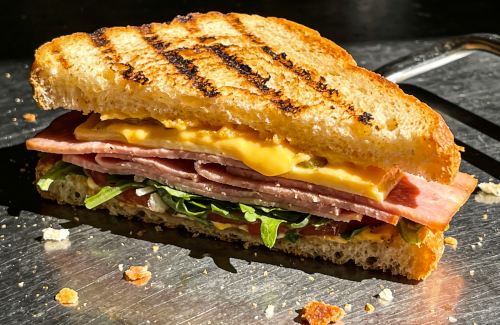
Sandwich bread


DMG Powder vs. Hydrated DMG


DMG can be incorporated as a dry powder (easiest for dry bread improver blends) or pre-hydrated in water before addition to the dough. Hydrated or dispersed forms of DMG tend to distribute more evenly in dough, which can improve consistency — especially important in high-hydration or whole-grain formulas where uniform ingredient distribution is harder to achieve.
 

Recommended Usage Levels


Typical dosage in bread formulations is:

0.2%–0.5% of flour weight

The exact amount depends on:

Flour quality
Processing conditions
Desired softness and shelf life

Overuse is not recommended, as it may affect crumb texture or mouthfeel.


Final Thoughts


Distilled monoglycerides interact with gluten to help dough retain more fermentation gases, thus improving bread volume and baking rise. Simultaneously, they form stable complexes with amylose, delaying starch retrogradation and keeping breadcrumbs soft for longer. They can also be used in conjunction with emulsifiers such as DATEM or SSL—DMG provides stable processing performance, a finer breadcrumb structure, and a longer shelf life, making it a core ingredient in industrial bread improvement systems.

Chemsino offers food-grade distilled monoglycerides (E471) with a monoglyceride content of over 95% and regular-purity monoglycerides, and is Halal, Kosher, RSPO, ISO 9001, and ISO 22000 certified. Please feel free to contact us if you would like to request samples or inquire about which grade is best suited for your bread formulation.
Start earning substantial
profits in your country today!
Email
Whatsapp