Home
Products
Emulsifier List
Application
Gallery
News
Blog
About Us
About Us
Contact Us
Your Position : Home > Blog

GMS vs PGMS: Differences, Functions, and Food Applications

Date:2026-11-13
Read:
Share:
Glyceryl Monostearate (GMS) and Polyglycerol Monostearate (PGMS) are two food emulsifiers used to improve the texture, stability, and processing performance of food products. Both contain stearic acid in their molecular structures, but they differ in their glycerol-based components. This difference affects how they interact with oil and water and how they perform in food formulations. For manufacturers, understanding these properties is important when selecting an emulsifier for bakery products, fats and oils, confectionery, and other processed foods.

What Is GMS?


Glyceryl Monostearate (GMS), also known as glycerol monostearate, is produced by esterifying glycerol with stearic acid. Commercial GMS generally belongs to the mono- and diglycerides of fatty acids family (E471). Its composition can vary by grade, particularly in the concentration of monoglycerides, which directly affects its emulsifying and functional properties.

GMS is generally oil-soluble or oil-dispersible and has relatively lipophilic characteristics. In food production, it is used to improve fat dispersion, support aeration, modify texture, and interact with starch. These properties make it useful in cake batters, bakery products, margarine, confectionery, and other fat-containing formulations. Distilled GMS grades, which have a higher monoglyceride content, are often selected when more consistent emulsifying performance is required.

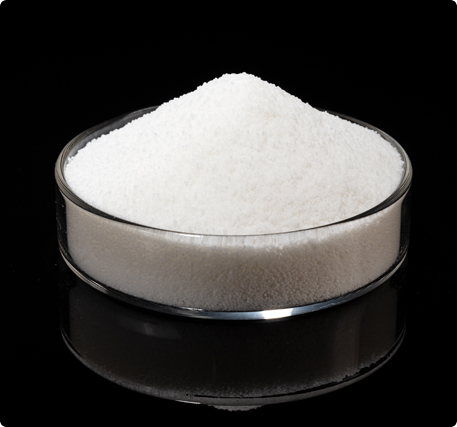
GMS Powder

What Is PGMS?


Polyglycerol Monostearate (PGMS) is produced by reacting polyglycerol with stearic acid. Unlike GMS, which contains a single glycerol backbone, PGMS contains several connected glycerol units. This larger hydrophilic portion changes the balance between its affinity for water and oil, giving PGMS different emulsifying characteristics.

PGMS belongs to the polyglycerol esters of fatty acids family (E475). Its properties depend on the polyglycerol chain length and the degree of esterification. These factors influence its HLB value, solubility, and ability to stabilize different food systems. Depending on the grade, PGMS can be used in selected bakery, confectionery, fat-based, and other emulsified products where control of oil-water interactions is important.

PGMS powder


GMS vs PGMS: What Are the Main Differences?


The most important difference between GMS and PGMS is their molecular structure. GMS contains one glycerol unit, while PGMS contains a polyglycerol chain. Although both use stearic acid as a fatty acid component, their different hydrophilic portions affect their interaction with water and oil. As a result, they may behave differently during mixing, emulsification, and storage.
 
Comparison GMS PGMS
Full name Glyceryl Monostearate Polyglycerol Monostearate
Main structure Glycerol ester of stearic acid Polyglycerol ester of stearic acid
Emulsifier family Mono- and diglycerides (E471) Polyglycerol esters (E475)
Hydrophilic portion One glycerol unit Multiple glycerol units
HLB characteristics Generally low Varies by grade
Main functions Fat dispersion, aeration, texture modification, starch interaction Emulsification and stabilization of selected food systems
Typical applications Bakery, margarine, confectionery Selected bakery, confectionery, fat-based and emulsified products

HLB is an important consideration when comparing these emulsifiers.
 It indicates the relative balance between the hydrophilic and lipophilic parts of an emulsifier. GMS generally has a low HLB and is more oil-oriented. PGMS can have different HLB values depending on its molecular structure, so it should not be treated as a single product with one fixed HLB value. Manufacturers should check the technical specifications of the exact grade before selecting it.

Neither GMS nor PGMS is automatically better for every food application. GMS is widely used when manufacturers need functions such as aeration, texture improvement, or starch interaction. PGMS may be more suitable for certain formulations requiring a different emulsifying balance. The final choice depends on the oil-water ratio, processing conditions, desired texture, storage stability, and the performance of the complete emulsifier system.

Food Applications: Where Are GMS and PGMS Used?


1 Bakery Products


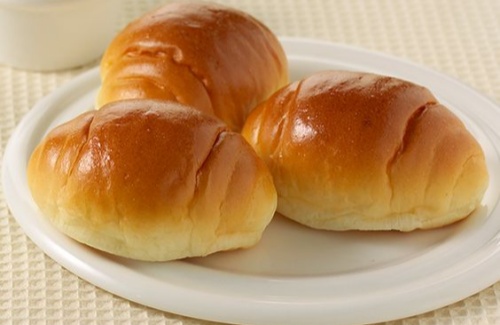
GMS is widely used in bread, cakes, and other bakery products, although its function depends on the grade and formulation. In bread, suitable monoglycerides can interact with starch, helping to reduce starch retrogradation and maintain crumb softness during storage. In cakes, GMS can support fat dispersion and batter aeration, contributing to a more uniform crumb structure and consistent product volume.
PGMS can also be considered in selected bakery formulations where emulsification and ingredient dispersion are required. Its role depends on its HLB value and compatibility with the fat and water phases. For example, a manufacturer developing a cake premix or fat-based bakery ingredient may evaluate PGMS alongside other emulsifiers to improve dispersion and product consistency. Actual performance should be confirmed through formulation trials.

2 Margarine and Fat-Based Products


Margarine is typically a water-in-oil emulsion, meaning small water droplets are dispersed throughout a continuous fat phase. Emulsifiers help control the distribution of water droplets and contribute to the product's structure and stability. GMS may be used in certain margarine and fat-based formulations, but its suitability depends on the fat composition, emulsifier combination, and processing conditions.

PGMS may also be evaluated in selected fat-based systems when its emulsifying properties match the formulation requirements. However, choosing an emulsifier for margarine is not simply a matter of selecting the one with a higher HLB. The required emulsion type, crystallization behavior, solid fat content, and manufacturing process all influence the result. Manufacturers should test the selected grade in the complete formulation.


3 Cakes and Whipped Products


In cake production, emulsifiers help distribute fat more evenly and support the incorporation of air during mixing. Certain GMS grades are used in cake batters and cake shortening systems to improve batter stability and help produce a fine, uniform crumb. The effect depends on the monoglyceride content, dosage, mixing conditions, and the other ingredients in the recipe.

PGMS may be considered in selected cake or whipped-product formulations when its specific emulsifying properties are suitable. However, it should not be assumed that PGMS will always provide better aeration or volume than GMS. For whipped toppings and other aerated products, manufacturers should evaluate the emulsifier together with the fat type, protein content, stabilizers, and processing temperature.

4 Chocolate and Confectionery


Chocolate and confectionery formulations require careful control of fat behavior, viscosity, and ingredient dispersion. GMS can be used in certain confectionery products to support fat dispersion and modify texture. Its suitability depends on the chocolate or confectionery formulation, particularly the fat composition and the presence of other emulsifiers.

Selected PGMS grades may also be evaluated in confectionery systems where their emulsifying properties can help with ingredient dispersion or formulation stability. However, PGMS is not a universal replacement for emulsifiers specifically used to control chocolate viscosity. Manufacturers should compare its performance with the existing emulsifier system through tests of flow properties, processing behavior, and finished-product quality.


How to Choose Between GMS and PGMS? 


The right emulsifier depends on the function required in the finished product. For bread, manufacturers may consider GMS grades with suitable monoglyceride content when starch interaction and crumb softness are important. For cakes, the selection should focus on batter aeration, fat dispersion, and crumb structure. For margarine and other fat-based products, the type of emulsion and fat composition should be evaluated before choosing either emulsifier.

For PGMS, buyers should pay particular attention to its HLB value, esterification characteristics, and compatibility with the formulation. When comparing suppliers, request the technical data sheet (TDS), specification, and relevant application information. Small-scale trials should then be carried out under actual processing conditions. Comparing texture, stability, appearance, and storage performance is more reliable than choosing an emulsifier based on its name alone.

Frequently Asked Questions


1. What is the main difference between GMS and PGMS?


The main difference is their molecular structure. GMS is made from glycerol and stearic acid, while PGMS is made from polyglycerol and stearic acid. PGMS has a longer glycerol-based structure, which changes its hydrophilic-lipophilic balance and emulsifying properties. GMS is commonly used for bakery texture, aeration, and starch interaction, while PGMS is selected for applications where the properties of a specific polyglycerol ester grade are suitable.

2. Is PGMS the same as GMS?


No. Although both contain stearic acid, they are different emulsifiers with different molecular structures. GMS belongs to the mono- and diglycerides family (E471), while PGMS belongs to the polyglycerol esters of fatty acids family (E475). Their emulsifying properties and food applications can overlap, but they should not be considered identical ingredients or interchangeable products.

3. Is PGMS more hydrophilic than GMS?


PGMS can have a higher HLB than conventional GMS, but this is not true for every PGMS grade. Its hydrophilic-lipophilic balance depends on the number of glycerol units and the degree of esterification. Therefore, manufacturers should check the HLB value and technical specifications of the specific PGMS product instead of assuming that all PGMS grades have the same water affinity.

4. Can GMS and PGMS be used together?


They may be used together in certain formulations when their combined properties meet the product's requirements. For example, a manufacturer may evaluate a blend of emulsifiers to balance fat dispersion, texture, and emulsion stability. However, the appropriate ratio depends on the food system, ingredient composition, and processing conditions. Compatibility and performance should be confirmed through laboratory and production trials.

5. Which is better for bakery products, GMS or PGMS?


There is no universal answer because bakery products have different functional requirements. GMS is widely used in bread and cakes for functions such as starch interaction, crumb softness, fat dispersion, and batter aeration. PGMS may be suitable for selected bakery formulations depending on its HLB and other product characteristics. The best choice should be based on the type of bakery product and actual formulation tests.

6. What should buyers check when purchasing GMS or PGMS?


Buyers should check the emulsifier's identity, purity or active content, relevant specifications, HLB where applicable, and recommended applications. For GMS, monoglyceride content is particularly important because it can affect functional performance. For PGMS, the HLB value and molecular characteristics of the grade should be reviewed. Buyers should also request a TDS and COA to confirm that the product meets their formulation and regulatory requirements.

Final Thoughts

GMS and PGMS share a stearic acid component but differ in molecular structure and emulsifying properties. GMS is widely used in bakery and fat-based products for texture improvement, aeration, and starch interaction. PGMS offers different, grade-dependent emulsifying properties for selected food systems. The right choice depends on the product formulation, processing conditions, and desired results.

CHEMSINO supplies food emulsifiers for bakery, confectionery, and other food applications. If you are comparing GMS and PGMS for a new formulation or looking for a suitable emulsifier grade, contact our team for product specifications and samples.
 
Start earning substantial
profits in your country today!
Email
Whatsapp