Home
Products
Emulsifier List
Application
Gallery
News
Blog
About Us
About Us
Contact Us
Your Position : Home > Blog

The Role of Emulsifiers in Bakery Shortening

Date:2026-11-09
Read:
Share:
Bakery shortening is widely used in bread, cakes, biscuits, and pastries to improve texture, tenderness, and overall product quality. However, its performance depends on more than the type of fat used. Emulsifiers also play an important role in determining how shortening behaves during mixing, baking, and storage.

In commercial bakery production, emulsifiers help improve fat functionality, support air incorporation, and influence the texture of finished products. Different emulsifiers offer different benefits, so selecting the right combination is important for achieving consistent results.

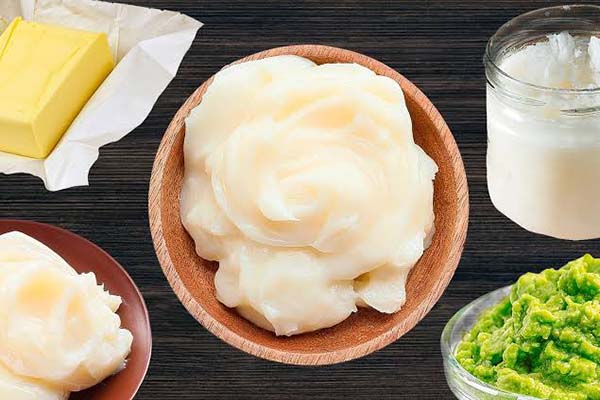
bakery shortening


Why Are Emulsifiers Added to Bakery Shortening?


Bakery shortening is a semi-solid fat designed to provide specific functional properties during food processing. It helps reduce excessive gluten development, improves tenderness, and contributes to the desired texture of baked products.

Emulsifiers make shortening more functional by improving interactions between fats, water, and other ingredients.

One important example is cake production. During mixing, shortening needs to incorporate and retain air bubbles. A suitable emulsifier system helps stabilize these air bubbles, allowing the cake to develop a lighter and more uniform crumb during baking.

Emulsifiers also influence fat crystallization and ingredient distribution. In bread formulations, certain emulsifiers interact with starch, helping slow the firming process and maintain crumb softness during storage.
Without the right emulsifier system, shortening may have poor creaming properties, limited aeration, or inconsistent performance in the final product.

How Do Emulsifiers Improve Shortening Performance?


The functionality of bakery shortening is closely related to its fat composition and crystal structure. Emulsifiers help control these properties and improve performance during processing.

For cake shortening, air incorporation is particularly important. During creaming, small air bubbles are introduced into the fat. These bubbles act as starting points for expansion during baking. Emulsifiers such as monoglycerides and Polysorbate 60 can help improve air incorporation and batter stability, contributing to better cake volume and crumb structure.

In bread production, the focus is different. Certain monoglycerides can form complexes with amylose, a component of starch. This interaction slows starch retrogradation, which is one of the main causes of bread becoming firm during storage.

Emulsifiers can also influence fat crystallization, plasticity, and consistency. These properties affect how shortening performs during mixing and how easily it can be incorporated into bakery formulations.

Common Emulsifiers Used in Bakery Shortening


Several food emulsifiers are used in bakery fat systems, but their functions are not interchangeable.

GMS and DMG (E471)

Glyceryl Monostearate (GMS) and Distilled Monoglycerides (DMG) are widely used in bakery applications. They help improve fat functionality and can interact with starch, making them useful in both cake and bread formulations. In cake shortening, suitable monoglycerides can support creaming and aeration. In bread, they help improve crumb softness and delay staling.

The main difference is their monoglyceride content. Conventional GMS grades may contain approximately 40–60% monoglycerides, while distilled DMG commonly contains 90% or more. DMG is therefore preferred when a higher concentration of monoglycerides is required.

Polysorbate 60 (E435)

Polysorbate 60 is a non-ionic emulsifier commonly used in cake shortening and high-ratio cake formulations.

Its main advantage is its ability to support batter aeration and stabilize the air incorporated during mixing. When combined with suitable monoglycerides, it can help improve cake volume, crumb uniformity, and overall texture.

PGE (E475)

Polyglycerol Esters of Fatty Acids (PGE) are versatile emulsifiers with different HLB values, depending on their composition.

Selected PGE grades can improve emulsification and ingredient distribution in specialty bakery fat systems. Their suitability depends on the formulation and the required fat-system properties.


SSL and DATEM

Sodium Stearoyl Lactylate (SSL, E481) and DATEM (E472e) are mainly used in bread formulations and dough improver systems.

They interact with wheat proteins and help strengthen dough structure, improve gas retention, and support loaf volume. Unlike GMS and DMG, which are commonly used for fat modification and starch interaction, SSL and DATEM are particularly valued for their dough-conditioning functions.

Which Emulsifiers Are Suitable for Different Bakery Products?


The choice of emulsifier depends largely on the type of shortening and the final product.

Cake Shortening

Cake shortening needs good creaming properties and the ability to incorporate air during mixing. GMS or DMG can help improve fat-system functionality, while Polysorbate 60 provides additional support for batter aeration.

These emulsifiers are often evaluated in combination when developing high-ratio cake shortening. The objective is to achieve good batter stability, sufficient air incorporation, and a fine, uniform crumb.

Bread Shortening

In bread production, shortening mainly contributes to dough handling, tenderness, and eating quality.

GMS and DMG can help improve crumb softness through their interaction with starch. If stronger dough structure and better gas retention are required, SSL and DATEM are commonly considered as part of the bread improver system.

The choice depends on whether the formulation needs improved fat functionality, dough strength, or slower crumb firming.

Biscuit and Cookie Shortening

In biscuits and cookies, shortening affects dough consistency, spread, tenderness, and mouthfeel.

GMS and selected other emulsifiers can help improve ingredient distribution and modify the properties of the fat system. However, the balance is important. Too much emulsification may affect dough spread and the texture of the finished biscuit.

How to Choose the Right Emulsifier?


When developing bakery shortening, manufacturers should start with the performance requirements of the final product.

For cake shortening, focus on creaming ability, air incorporation, and fat crystal structure. For bread applications, starch interaction, crumb softness, and dough performance are more important. Biscuit shortening requires a suitable balance between plasticity, spread, and tenderness.

The fat composition also matters. Different vegetable oils and solid fats have different melting characteristics and crystallization behaviors, which can affect emulsifier performance.

Rather than selecting an emulsifier based only on its name or E-number, manufacturers should compare technical specifications and test different grades under actual production conditions. Parameters such as monoglyceride content, HLB, melting point, and physical form can help guide the selection.

Final Thoughts


Emulsifiers help bakery shortening deliver better functionality during processing and improve the quality of finished products. GMS and DMG are commonly used to modify fat properties and improve starch interaction.

Polysorbate 60 is particularly useful in cake shortening formulations where good aeration is required. PGE offers additional emulsification options, while SSL and DATEM are mainly used to improve dough strength and gas retention in bread production. 
The right emulsifier depends on the type of bakery product, fat composition, and desired processing performance.

CHEMSINO supplies GMS, DMG, PGE, SSL, and DATEM for bakery and other food manufacturing applications. Contact our team at info@cnchemsino.com to discuss your formulation requirements and find a suitable emulsifier.

Frequently Asked Questions


1. Why are emulsifiers used in bakery shortening?

They improve fat functionality, air incorporation, and ingredient distribution. Depending on the type, they can also improve cake volume, bread softness, and product consistency.

2. Which emulsifier is best for cake shortening?

GMS or DMG combined with Polysorbate 60 is a common approach. Monoglycerides help modify the fat system, while Polysorbate 60 supports batter aeration and air retention.

3. What is the difference between GMS and DMG in bakery shortening?

Both are E471 emulsifiers, but they differ in monoglyceride concentration. DMG commonly contains 90% or more monoglycerides, while conventional GMS grades may contain around 40–60%.

4. Can PGE be used in bakery shortening?

Yes. Selected PGE grades can be used in specialty bakery fat systems to improve emulsification and ingredient distribution. Their performance depends on the specific grade and formulation.

5. Are SSL and DATEM used in bakery shortening?

SSL and DATEM are mainly used in bread dough improver systems rather than as the primary emulsifiers in conventional cake shortening. They help strengthen dough and improve gas retention.
 
Start earning substantial
profits in your country today!
Email
Whatsapp