Home
Products
Emulsifier List
Application
Gallery
News
Blog
About Us
About Us
Contact Us
Your Position : Home > Blog

Functional Interactions Between SSL and Enzymes in Modern Baking

Date:2025-11-17
Read:
Share:
SSL (Sodium stearoyl lactylate) can improve dough properties, increase baking efficiency, and enhance the quality of the final product when used in conjunction with enzyme systems. This article mainly describes the key enzymes used in combination with SSL, how SSL interacts with enzymes, and practical suggestions for baking manufacturers.
 

How SSL Works in Dough Systems


SSL emulsifier is an anionic emulsifier known for its strong interaction with gluten proteins and starch granules. It strengthens the dough structure by:

Binding to gluten, improving elasticity, and gas retention

Delaying starch retrogradation, extending softness

Enhancing aeration, contributing to greater volume

Improving dough handling, making processing smoother

These functions make SSL E481 valuable in bread, buns, rolls, steamed bread, and other yeast-leavened products.

SSL emulsifier in breads


Key Enzymes Commonly Used with SSL


Modern baking relies on several enzyme types, each with a unique role. The most common include:

α-Amylase

Breaks down starch into fermentable sugars, enhances fermentation, improves crust color, and maintains softness.

Xylanase

Reduces arabinoxylans in flour, improving dough extensibility, stability, and volume.

Glucose Oxidase

Strengthens gluten by forming protein cross-links, resulting in firmer dough and better gas retention.

Lipase

Modifies endogenous lipids to form surface-active compounds that improve structure and crumb texture.

Each enzyme contributes differently, but their interaction with SSL amplifies performance.


Synergistic Effects: SSL + Enzymes


When sodium stearoyl lactylate is combined with enzymes, their functionalities reinforce each other. Key synergies include:

Improved Dough Strength and Tolerance

# SSL strengthens gluten
# Glucose oxidase reinforces gluten cross-linking

Together, they create stronger, more stable dough, especially useful for industrial high-speed production.

Better Gas Retention and Volume

# SSL enhances aeration
# Amylase increases sugar availability, boosting fermentation

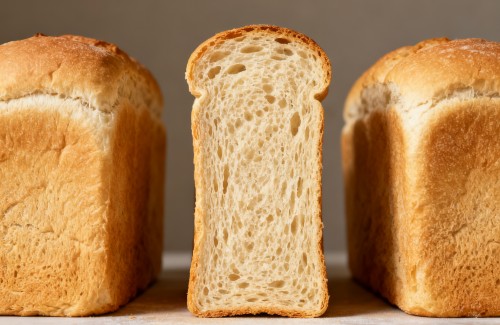
The result is taller, lighter loaves with finer crumb.

SSL and amylase in breads

Extended Shelf Life

# SSL slows starch retrogradation
# Amylase continues softening through controlled starch breakdown

This combination significantly reduces staling and improves softness for several days.

Enhanced Dough Handling

# Xylanase improves extensibility
# SSL stabilizes the structure

Dough becomes easier to sheet, mold, and proof with less stickiness.


Practical Considerations for Baking Manufacturers


To maximize performance, baking manufacturers should consider:

Flour quality: Lower-protein flour benefits more from SSL + enzyme systems.

Dosage: Sodium stearoyl lactylate is typically used at 0.25–0.5%. Enzyme dosage varies based on activity.

Process conditions: Mixing time, fermentation temperature, and dough hydration all influence enzyme activity.

Target product: Soft breads, buns, and long shelf-life bakery items gain the most noticeable improvements.

Customized enzyme blends paired with E481 SSL often deliver the best results in commercial production.


Conclusion


In modern baking, SSL stabilizes dough structure, while enzymes improve dough functions, such as starch modification and gluten strengthening. Using them together significantly enhances dough strength, volume, softness, shelf life, and production efficiency.

Chemsino offers not only the SSL E481 emulsifier but also a variety of baking enzymes to help you improve baking efficiency. Contact us today for free samples or more details.
Start earning substantial
profits in your country today!
Email
Whatsapp