Home
Products
Emulsifier List
Application
Gallery
News
Blog
About Us
About Us
Contact Us
Your Position : Home > Blog

Is LACTEM (E472b) Suitable for Vegan and Organic Foods

Date:2025-06-23
Read:
Share:
As more consumers embrace vegan and organic lifestyles, the demand for clean-label, plant-based ingredients is rising across the food industry. Emulsifiers play a key role in maintaining texture, stability, and shelf life in these products—but not all emulsifiers meet vegan or organic requirements. One that does, when properly sourced, is Lactic Acid Esters of Mono- and Diglycerides, commonly known as LACTEM or E472b.


What Is LACTEM?


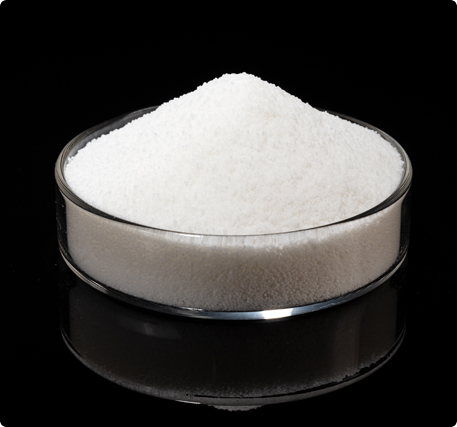
LACTEM (E472b) is a type of emulsifier produced by combining lactic acid with mono- and diglycerides of fatty acids. It helps blend oil and water, improve mouthfeel, and extend product shelf life. LACTEM is widely used in bakery products, dairy alternatives, sauces, and processed foods—making it especially relevant in the fast-growing vegan and organic segments.

Lactic Acid Esters E472b


Is LACTEM Vegan?


Yes—when sourced from plant-based ingredients, LACTEM can be considered vegan. The two main components—lactic acid and mono-/diglycerides—can be derived from either animal or plant sources. For vegan-friendly formulations:

The lactic acid must be produced through fermentation of plant-based carbohydrates, such as corn or sugar beet.

The mono- and diglycerides must come from vegetable oils, such as palm, soybean, or sunflower oil, not animal fats.

At Chemsino, we ensure that our LACTEM products are manufactured using non-animal-derived raw materials, making them suitable for vegan food production.


Is LACTEM Allowed in Organic Foods?


The use of food additives in organic products is strictly regulated. While LACTEM itself may not be classified as “organic”, some organic certifiers permit its use in small quantities as a processing aid, particularly if it’s derived from plant-based, non-GMO, and non-synthetic sources.

In the EU, USDA Organic, and other international organic programs, acceptance may vary. Manufacturers should always consult with their certifying body to ensure LACTEM use is compliant in their specific product formulation.


Applications of LACTEM in Vegan and Organic-Compliant Foods


Bakery Products
Enhances dough stability and softness
Maintains freshness in organic and vegan breads, rolls, and cakes

Dairy Alternatives
Stabilizes emulsions in plant-based milks and creamers
Improves consistency in vegan cheese and spreads

Sauces, Dressings & Dips
Prevents oil separation in clean-label, organic dressings
Improves mouthfeel and texture in vegan mayo and creamy sauces

Meat Alternatives
For plant-based meat products like vegan burgers, sausages, or nuggets, LACTEM improves structure and juiciness by helping distribute fats and moisture evenly throughout the matrix.

Organic-Friendly Snacks & Fillings
In clean-label snack bars, cream-filled cookies, and vegan desserts, LACTEM assists in binding ingredients, preventing oil migration, and maintaining a consistent texture over time.

LACTEM in Vegan and Organic-Compliant Foods


Conclusion


Lactic Acid Esters of Mono- and Diglycerides (LACTEM) offer a plant-based, effective solution for improving texture, stability, and shelf life in vegan and organic foods. Our LACTEM meets the standards of modern consumers looking for clean, ethical, and sustainable ingredients. At Chemsino, We are committed to providing high quality products at competitive prices, contact us for free samples now!
 
Related Blog
What is Polysorbate 80 (E433) and Its Uses
19 Apr 2024
Polysorbate 80, or tween 80, is the abbreviation of “polyoxyethylene sorbitan monooleate”, is a synthetic compound derived from the esterification of sorbitan with ethylene oxide. It belongs to the polysorbate family of surfactants, which are widely used as emulsifiers, solubilizers, and stabilizers in various industries, including food, pharmaceuticals, cosmetics, and personal care products. This article will provide a comprehensive overview of polysorbate 80, including its specifications, structure, properties, features, and uses.  
Distilled Monoglycerides: The Secret Weapon Behind Products
11 Dec 2024
In daily life, from delicious ice cream to sturdy plastic packaging, and from sweet bread to highly efficient pharmaceutical preparations, have you ever wondered what the "secret weapon" hidden behind these products is? Today, let's uncover this mystery and deeply understand a multifunctional and magical substance - Distilled Monoglycerides.
What is the Process of Emulsification?
08 Dec 2023
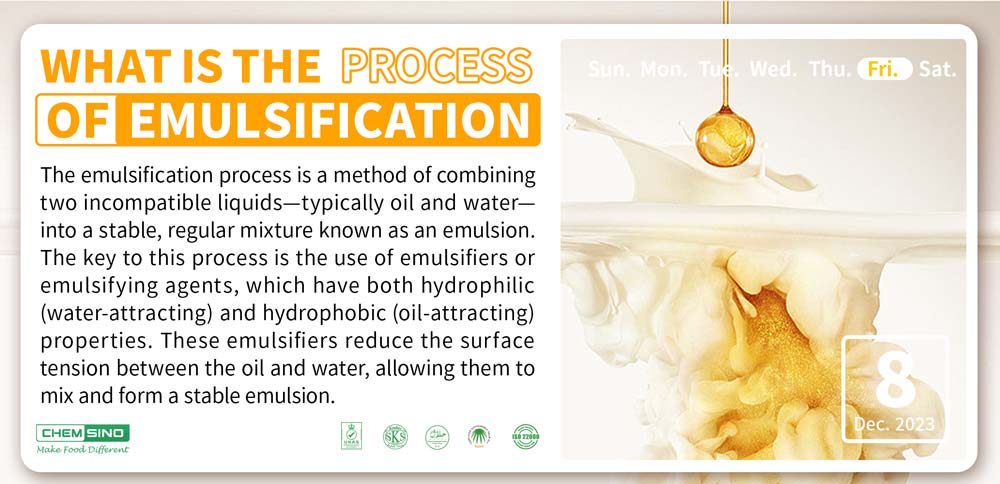
The emulsification process is a method of combining two incompatible liquids—typically oil and water—into a stable, regular mixture known as an emulsion. The key to this process is the use of emulsifiers or emulsifying agents, which have both hydrophilic (water-attracting) and hydrophobic (oil-attracting) properties. These emulsifiers reduce the surface tension between the oil and water, allowing them to mix and form a stable emulsion. This article mainly explore the common progress of emulsification and factors that influencing emulsification.  
Start earning substantial
profits in your country today!
Email
Whatsapp