Home
Products
Emulsifier List
Application
Gallery
News
Blog
About Us
About Us
Contact Us
English
Your Position : Home > Blog

How Polysorbate 80 Enhances Beverage Stability

Date:2025-06-20
Read:
Share:
In today’s competitive beverage market, product appearance and shelf stability are crucial. Whether it’s a fruity drink, flavored water, or plant-based milk, maintaining a stable, attractive emulsion makes all the difference. That’s where Polysorbate 80, a versatile food emulsifier, comes in.

In this article, we’ll explore what Polysorbate 80 is, how it works, and why it’s widely used in modern beverage formulations.


What Is Polysorbate 80? 


Polysorbate 80, also known as Tween 80 and labeled as E433, is a nonionic surfactant derived from sorbitol and oleic acid. It is commonly used in foods, cosmetics, and pharmaceuticals.

In beverages, it helps disperse oil-soluble ingredients—such as flavor oils, colors, and vitamins—into water-based systems.

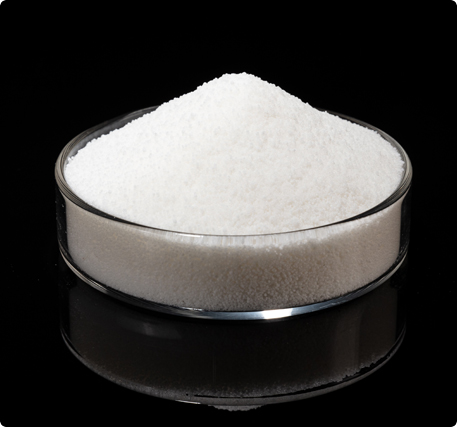
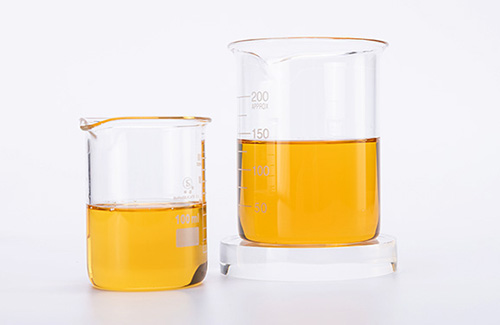
polysorbate 80


Why Beverage Stability Matters? 


Phase separation—like oil droplets floating or settling at the bottom—is a major challenge for beverage producers. It affects appearance, taste consistency, and shelf life.
Polysorbate 80 helps:


1. Prevent separation
2. Improve appearance
3. Ensure flavor consistency
4. Extend shelf life

It’s especially useful for low-fat and clear drinks, where emulsification is harder to achieve naturally.
 

How Polysorbate 80 Works in Beverages?


Polysorbate 80 surrounds oil droplets and keeps them suspended in the water phase. It forms a protective layer that prevents the oil from separating or clumping.
Key benefits:

1. Solubilizes essential oils and flavors
2. Improves clarity in transparent beverages
3. Stabilizes fat-soluble vitamins (A, D, E, K)
4. Reduces visible oil rings during storage
5. Works well with gums and pectin


Common Applications of Polysorbate 80 in Beverages


Polysorbate 80 is found in a wide range of beverages, including:

1. Fruit juices (especially citrus drinks)
2. Iced teas and flavored waters
3. Vitamin waters and energy drinks
4. Plant-based milks and non-dairy beverages
5. Carbonated and functional drinks


Recommended Dosage


The typical dosage of Polysorbate 80 ranges from 10 to 100 ppm, depending on the formulation and oil content.
Tip: Always check local food regulations for maximum allowed limits.
It's often used alongside other stabilizers such as:

1. Gum Arabic
2. Xanthan Gum
3. Propylene Glycol


Polysorbate 80 vs. Other Emulsifiers

 
Property Polysorbate 80 Lecithin Gum Arabic
Transparency Excellent Moderate Moderate
Oil Solubilization Very High Medium Medium
Shelf Life Enhancement Strong Mild Mild
Common Use in Beverages Yes Yes Yes

Polysorbate 80 is ideal when high transparency and long-term stability are required.


Need Help Formulating a Stable Beverage?


At CHEMSINO, we supply high-quality food grade Polysorbate 80 and offer professional formulation guidance tailored to your product needs.
Whether you’re developing a citrus-based energy drink or stabilizing a vitamin water, our team is ready to help you.

Contact Us today to request a sample or free consultation.
Related Blog
Polyglycerol Esters (E475) vs. Propylene Glycol Esters (E477)
31 Oct 2025
Polyglycerol Esters (PGE, E475) and Propylene Glycol Esters (PGMS, E477) are essential food emulsifiers used to stabilize formulations and improve product quality. While PGE offers excellent heat stability and structure enhancement for baked goods, PGMS provides smoothness and uniform emulsions for creamy and frozen systems. Understanding their functions and differences enables food technologists to select the best emulsifier combination for optimal performance in bakery, dairy, and confectionery applications.
Emulsifiers in Baked Goods
14 Oct 2024
Baked goods hold a significant place in daily diets worldwide, from bread to cakes and cookies, making them beloved by consumers. This article explores the multiple functions of emulsifiers in yeast-leavened (e.g., bread) and chemical-leavened (e.g., cakes, cookies) products, clarifies key roles, addresses misconceptions, and provides usage guidelines while examining future industry trends.
Monoglycerides and Lipase for Dairy Processing Efficiency
11 Aug 2025
Monoglycerides and lipase are key functional ingredients in modern dairy manufacturing. Working together, they enhance flavor, texture, and stability in products like cheese, yogurt, ice cream, whipped toppings, and cream-based sauces. By optimizing dosage and application, processors can reduce costs, shorten production time, and maintain consistent quality—meeting the growing demand for premium dairy products. Chemsino provides high-quality lipase and food-grade monoglycerides with reliable supply and competitive pricing to support efficient, large-scale dairy production.
Start Earning Substantial
Profits in Your Country Today!
Email
Whatsapp