Home
Products
Emulsifier List
Application
Gallery
News
Blog
About Us
About Us
Contact Us
Your Position : Home > Blog

What Are Fatty Acids? A Practical Guide for the Food Industry

Date:2026-04-20
Read:
Share:
Fatty acids are everywhere in the food industry, even if we don`t always talk about them directly. If you are working with emulsifiers, bakery ingredients, or processed foods, you are already using fatty acids—just in a different form.

In simple terms, fatty acids are the basic building blocks of fats and oils. Without them, there would be no monoglycerides, no emulsifiers, and no stable oil-and-water systems in food.

What Are Fatty Acids?


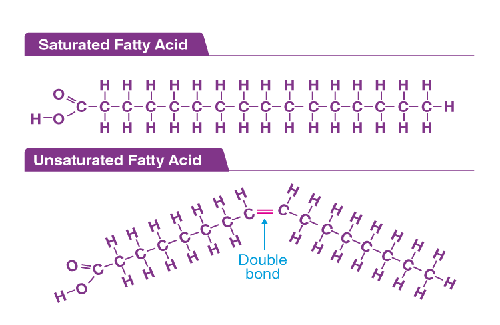
Fatty acids are organic molecules made of a hydrocarbon chain (a long chain of carbon and hydrogen atoms) with a carboxyl group (-COOH) at one end. At the molecular level, a fatty acid has two different ends. One interacts with water, while the other prefers oil. This unique structure is what makes fatty acids so useful in food applications.

You can think of it as a bridge between oil and water. This is exactly why fatty acids are the starting point for most emulsifiers used in food processing today.


Why Fatty Acids Matter in Real Production?

In actual manufacturing, fatty acids are rarely used on their own. Instead, they are processed into functional ingredients that solve specific problems.

In bakery products, for example:

# Dough becomes more stable during mixing

# Bread stays softer for a longer time

# The internal structure becomes more uniform

In dairy and beverages:

# Oil and water remain evenly mixed

# Texture becomes smoother and more consistent

# Separation during storage is reduced

These improvements are not accidental. They come from the functional properties of fatty acid-based ingredients.

Different Types of Fatty Acids and Their Impact


Not all fatty acids perform the same way. Their structure determines how they behave in food systems.

Saturated fatty acids


These have a straight structure with no double bonds, which makes them more stable and solid at room temperature.
In industrial applications, they are often chosen for:

# Better heat resistance

# Stronger structural performance

# More stable emulsifier production

Common examples include stearic acid and palmitic acid, both widely used in food-grade emulsifiers.

Unsaturated fatty acids


These contain double bonds, which create bends in their structure. This makes them more fluid and flexible.
They are useful when the application requires:

# Softer textures

# Better spreadability

# Lower melting points

However, they are more sensitive to oxidation, so stability must be carefully managed. 

Where Fatty Acids Come From?

In commercial production, fatty acids are derived mainly from natural oils and fats.
The most common sources include:

        # Palm oil
        
# Coconut oil
        
# Soybean oil
        # Sunflower oil

Among these, palm-derived fatty acids are widely used due to their consistent quality and reliable global supply.
At CHEMSINO, careful selection of raw material sources is an important part of ensuring stable emulsifier performance. This includes controlling fatty acid composition, purity, and consistency across different batches.


Fatty Acids and Emulsifiers:
A Direct Relationship


If you are producing or sourcing emulsifiers, fatty acids are not just a raw material—they are the foundation of your product performance.

For example:

Glycerol Monostearate (GMS) is made from stearic acid

Distilled Monoglycerides (DMG) depend on fatty acid purity and composition

Sodium Stearoyl Lactylate (SSL) uses stearic acid as a core component

Polyglycerol Esters (PGE) rely on selected fatty acids for stability and functionality

The quality of the fatty acid directly affects:

# Emulsification strength

# Heat stability

# Final texture in food applications

This is why choosing the right fatty acid source is critical, not optional. 

A Practical Example from Bakery Applications


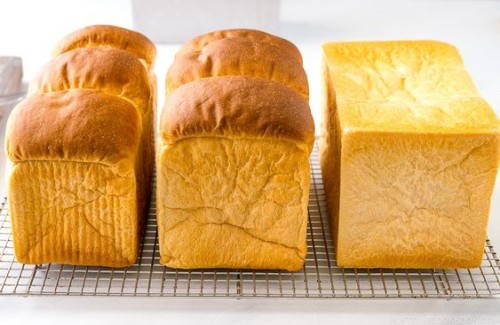
Take bread as an example.

When using emulsifiers derived from fatty acids:

# The dough becomes easier to handle

# Gas retention improves during fermentation

# The final bread has a softer texture

# Shelf life can be extended by 2–3 days

These improvements come from how fatty acid-based emulsifiers interact with starch and proteins.


What Buyers Should Really Pay Attention To?


From a purchasing or formulation perspective, not all fatty acids are equal.
Key factors include:

# Purity level

# Chain length distribution

# Degree of saturation

# Source (palm, coconut, etc.)

Even small differences can lead to noticeable changes in product performance.

Final Thoughts

Fatty acids may seem like a basic concept, but they are at the core of modern food formulation. Every stable emulsion, every soft bakery product, and every consistent texture starts with the right fatty acid selection.

For food manufacturers and ingredient buyers, understanding fatty acids is not just technical knowledge—it is a practical advantage when choosing the right emulsifier solutions and long-term partners.

Start earning substantial
profits in your country today!
Email
Whatsapp