Home
Products
Emulsifier List
Application
Gallery
News
Blog
About Us
About Us
Contact Us
Your Position : Home > Blog

Factors Affecting Emulsification in Food & How to Improve Them

Date:2026-02-11
Read:
Share:
Emulsification is crucial for the quality and stability of many foods. Especially in large-scale production, emulsification instability can lead to texture defects and shortened shelf life. This blog explores the main factors affecting food emulsification and provides practical strategies for improving it.
 

1. Type and Quality of Emulsifier


Why It Matters


Emulsifiers reduce surface tension between oil and water, keeping them mixed. Differences in HLB value, solubility, or purity directly impact emulsion stability.


Practical Examples


In salad dressings, an emulsifier with too low HLB can cause oil separation.

In bakery shortenings, inconsistent emulsifier quality may result in uneven fat distribution and poor creaming.


How to Improve It


Select emulsifiers based on system type (O/W or W/O).

Use consistent, food-grade emulsifiers with stable HLB values. For bakery shortening, Glycerol Monostearate (GMS) improves fat distribution, while PGPR helps control flow in high-fat chocolate fillings.

Combine low-HLB and high-HLB emulsifiers when needed to achieve balance.

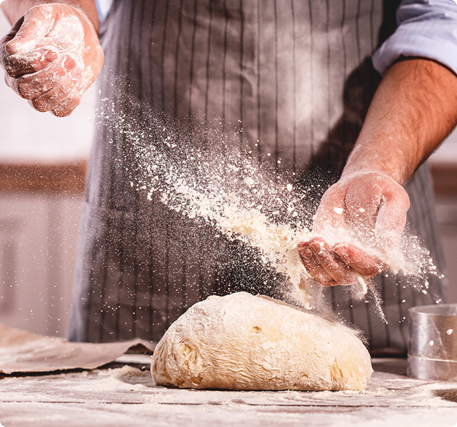
Emulsifiers in bakery shortenings


2. Oil-to-Water Ratio


Why It Matters


The proportion of oil and water affects emulsion strength. High-fat systems need stronger interfacial control, while low-fat systems are sensitive to emulsifier dosage.


Practical Examples


High-fat sauces or spreads may break if emulsifier levels are too low.

Low-fat beverages may show floating oil droplets if emulsification is insufficient.


How to Improve It


Adjust emulsifier dosage according to fat content.

Use PGPR emulsifier in high-fat systems to stabilize fat networks.

Use Polysorbate 20 in low-fat beverages or sauces to ensure proper oil dispersion.

Ensure proper dispersion and hydration of emulsifiers.


3. Mixing Method and Shear Force


Why It Matters


Proper mixing distributes emulsifiers evenly and breaks oil into fine droplets. Too little shear causes poor dispersion, while excessive shear may destabilize certain emulsions.


Practical Examples


Insufficient shear in sauces can leave visible oil layers.

Excessive shear in creams or desserts can damage fat structure and reduce stability.


How to Improve It


Use high-shear mixers or homogenizers.

Optimize mixing speed, time, and sequence for each formulation.

Add emulsifiers at the appropriate stage of processing.

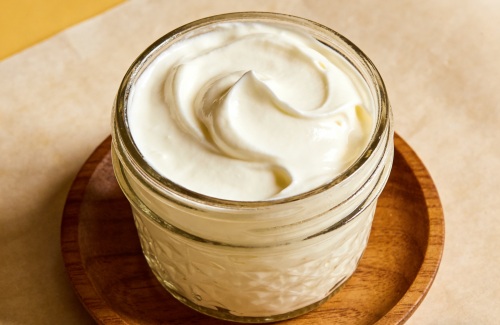
Emulsifiers in desserts


4. Temperature During Processing


Why It Matters


Temperature affects emulsifier solubility, fat melting, and viscosity. Improper control can weaken emulsification.


Practical Examples


In bakery fats, emulsifiers may not activate if added below the melting point.

Overheated hot-filled sauces may destabilize emulsions upon cooling.


How to Improve It


Melt or hydrate emulsifiers properly before use.

Control heating and cooling steps to avoid thermal stress.


5. pH and Ionic Environment


Why It Matters


Some emulsifiers are sensitive to pH or mineral content, which can reduce their effectiveness.


Practical Examples


Acidic dressings may separate if emulsifiers are not pH-stable.

Dairy or plant-based beverages with minerals may destabilize without proper emulsifiers.


How to Improve It


Select emulsifiers stable across the product's pH range.

Test stability under actual formulation conditions.

Adjust the sequence of salt or acid addition if necessary.


6. Storage and Shelf-Life Conditions


Why It Matters


Even a stable emulsion can separate over time due to temperature changes, vibration, or extended storage.


Practical Examples


Beverages may cream during transportation.

Frozen desserts may suffer texture breakdown in freeze–thaw cycles.


How to Improve It


Use emulsifiers that prevent coalescence and creaming, such as Lecithin or Sucrose Esters.

Combine emulsifiers with stabilizers (e.g., Xanthan Gum, Guar Gum) when needed.

Conduct shelf-life and transport simulation tests to ensure stability.


Conclusion


The stability of food emulsions is affected by the type and quality of emulsifiers, as well as processing and storage conditions. Understanding and improving these factors can enhance the overall quality and shelf life of the product. If you need reliable emulsifiers such as glyceryl monoglyceride (GMS), polyglycerol polyricinoleate (PGPR), and polysorbate, please feel free to contact Chemsino for more detailed information and free samples.
Start earning substantial
profits in your country today!
Email
Whatsapp