Home
Products
Emulsifier List
Application
Gallery
News
Blog
About Us
About Us
Contact Us
Your Position : Home > Blog

Why Sorbitan Esters Are Commonly Used in Low-HLB Emulsifier Systems

Date:2026-02-09
Read:
Share:
Sorbitan esters, commonly known as Span emulsifiers (e.g., Span 20, Span 60, Span 80), are low-HLB, lipophilic, non-ionic emulsifiers widely used in oil-rich food systems. Their ability to stabilize fat-dominated formulations makes them ideal for applications such as chocolate, bakery fats, spreads, and dressings.

This blog explains the functional role, application value, and industrial benefits of sorbitan esters in low-HLB emulsifier systems.


Low-HLB Systems in Food Production


Low-HLB emulsifier systems (HLB ~1–8) are characterized by their lipophilic nature, where the oil phase dominates the formulation. In contrast, high-HLB systems (typically HLB above 9) are more hydrophilic and are mainly used in oil-in-water emulsions such as beverages, sauces, and dairy drinks.

Common applications of low-HLB systems include:

· Chocolate and coatings: require smooth flow and a glossy finish

· Bakery fats and shortenings: fat crystallization needs to be carefully controlled

· Oil-rich dressings and spreads: need stable fat dispersion

These systems face challenges such as poor fat-phase flow, uneven air or water distribution, and sensitivity to heat or shear during processing. Selecting the right emulsifier is critical to address these issues and ensure consistent product quality.

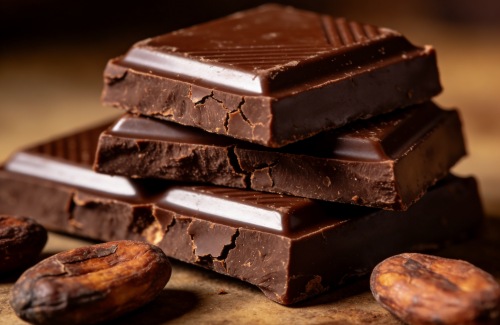
Food emulsifier in chocolate


Why Sorbitan Esters Are Ideal for Low-HLB Systems


Sorbitan esters offer multiple advantages in oil-rich formulations:

Fat Phase Control: Reduce internal friction in the fat network, improving flow and processability.

Synergistic Function: Work with high-HLB emulsifiers, such as polysorbates, to stabilize water-in-oil emulsions.

Thermal and Shear Stability: Maintain structure under high temperatures and industrial shear conditions.

Air and Texture Management: Help retain entrapped air, enhancing creaminess and smooth mouthfeel in bakery fats and aerated chocolate products.

Their lipophilic structure and low HLB make them especially suitable for systems where the oil phase dominates.


Mechanistic Insights and Application Value


The performance of sorbitan esters can be understood mechanistically:

HLB Matching: Balances high-HLB emulsifiers to achieve optimal overall HLB, improving emulsion stability.

Fat Crystal Interaction: Partially destabilizes fat crystals to reduce viscosity without collapsing the network, enhancing pourability and processing efficiency.

Multiphase Stability: Maintains the integrity of oil, water, and air phases for consistent texture and structure.

Processing Compatibility: Performs reliably under varying shear rates and temperatures, crucial for large-scale manufacturing.

By controlling these factors, sorbitan esters enhance product consistency, reduce batch-to-batch variation, and improve shelf life.


Industrial Benefits for Food Manufacturers


Using sorbitan esters in low-HLB systems provides clear industrial advantages:

Improved Product Consistency: Uniform fat distribution and stable textures across batches

Enhanced Processing Efficiency: Reduced mixing time and energy requirements, less equipment fouling

Extended Shelf Life: Prevents separation in spreads, chocolate, and dressings

Reduced Waste: Fewer failed batches due to unstable emulsions

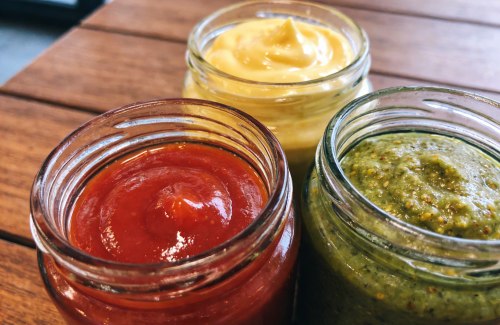
Emulsifier in dressings


Sustainability and Clean-Label Considerations


Sorbitan esters can be plant-derived and non-GMO, aligning with clean-label trends and the demands of vegetarian or vegan products. Using high-quality, traceable sorbitan esters supports:

· Environmentally conscious sourcing

· Transparent ingredient labeling

· Regulatory compliance in global markets

This makes them not only functionally valuable but also strategically important for modern food formulations.


Best Practices and Supplier Considerations


Select the Right Sorbitan Ester: Span 20, 60, or 80, depending on fat type and oil content.

Combine Wisely: Use with compatible high-HLB emulsifiers for optimal W/O stability.

Control Process Parameters: Temperature, shear, and mixing order influence emulsion quality.

Source from Reliable Suppliers: Partner with trusted manufacturers, such as Chemsino, providing consistent, high-quality sorbitan esters with technical support for large-scale production.


Conclusion


Sorbitan esters can stabilize the oil phase, work synergistically with high-HLB emulsifiers, and remain stable under industrial processing conditions. They can improve product texture, aeration, and consistency while aligning with the trend towards clean labels and sustainable formulations. If you are looking for sorbitan esters or other food ingredients, sourcing raw materials from a reliable supplier like Chemsino can help you optimize your formulations. Please feel free to contact us for more information.
Start earning substantial
profits in your country today!
Email
Whatsapp