In modern industrial bakery production, achieving consistent quality is one of the biggest challenges faced by manufacturers. Consumers expect bread with a high volume, soft crumb, pleasant texture, and long-lasting freshness, while bakery producers must also manage production efficiency, ingredient variation, and extended distribution cycles.
Although flour quality, yeast activity, mixing conditions, and baking processes all influence final product performance, bakery emulsifiers play an essential role in controlling dough behavior and improving product consistency.
Among the most widely used bakery emulsifiers, Distilled Monoglycerides (DMG), Sodium Stearoyl Lactylate (SSL), and Diacetyl Tartaric Acid Esters of Monoglycerides (DATEM) are three important solutions used by commercial bakeries worldwide. Each emulsifier has different functional characteristics: DMG is mainly recognized for improving softness and delaying staling, while SSL and DATEM are commonly used as dough conditioners to strengthen gluten structure and improve bread volume.
Understanding the differences between DMG, SSL, and DATEM helps bakery manufacturers select the right emulsifier system based on their product requirements, processing conditions, and target market.
.jpg)
Why Are Emulsifiers Important in Bakery Foods?
Bakery dough is a complex system containing flour proteins, starch, water, fats, and air. During mixing and fermentation, these components must interact properly to create a stable dough structure.
Food emulsifiers work as functional ingredients that improve interactions between different components. Their molecular structure contains both hydrophilic (water-attracting) and lipophilic (fat-attracting) groups, allowing them to act at the interface between water, oil, starch, and proteins.
In bakery applications, emulsifiers mainly contribute in three important areas:
Improving Dough Structure and Processing Stability
For yeast-leavened products, gluten development is critical. A strong gluten network can better retain carbon dioxide produced during fermentation, resulting in improved dough elasticity, higher loaf volume, and a more uniform crumb structure.
Dough-strengthening emulsifiers such as DATEM and SSL interact with gluten proteins, helping improve dough tolerance during mixing, fermentation, and baking. This is especially important for industrial bakeries operating high-speed production lines.
Enhancing Softness and Extending Shelf Life
One of the biggest challenges in bakery products is staling. After baking, starch molecules gradually reorganize through a process known as starch retrogradation, causing bread to become firmer and less fresh over time.
Certain emulsifiers, especially DMG, interact with starch components and help slow this process. As a result, bread can maintain a softer texture and better eating quality during storage.
Improving Product Consistency
For large-scale bakery manufacturers, consistency across batches is often more important than simply improving a single production result.
Emulsifiers help reduce variations caused by:
# Different flour qualities
# Seasonal changes in raw materials
# High-speed processing conditions
# Extended storage and transportation
This makes them valuable tools for achieving stable commercial production.
DMG (Distilled Monoglycerides) in Bakery Applications
What Is DMG?
Distilled Monoglycerides (DMG), also known as mono- and diglycerides of fatty acids (E471), are among the most commonly used food emulsifiers in bakery applications.
DMG is produced from edible vegetable oils and fats via glycerolysis, followed by purification to achieve a high monoglyceride content.
Because of its excellent compatibility with starch and fat systems, DMG is widely used in:
# Bread
# Toast
# Sweet bread
# Cakes
# Bakery premixes
How Does DMG Work in Bread and Cakes?
The primary function of DMG in bakery products is related to crumb softness and freshness retention.
During baking and storage, DMG interacts with starch molecules, especially amylose, forming complexes that reduce starch recrystallization. This helps maintain a softer crumb structure and delays the hardening process of bread.
In cake applications, DMG also helps stabilize fat dispersion and improve batter consistency, contributing to better volume, finer texture, and improved mouthfeel.
For manufacturers producing products with longer shelf-life requirements, DMG is often one of the first emulsifiers considered.
Why Choose DMG for Bakery Production?
DMG provides several advantages:
# Improved crumb softness
# Better freshness retention
# More uniform texture
# Improved fat distribution
# Cost-effective performance
Compared with strong dough conditioners such as DATEM, DMG focuses more on the eating experience after baking rather than maximum dough strengthening.
For example, a sandwich bread manufacturer targeting a soft texture throughout several days of storage may prioritize DMG as part of the formulation strategy.

SSL (Sodium Stearoyl Lactylate) in Bakery Applications
What Is SSL?
Sodium Stearoyl Lactylate (SSL) is an anionic emulsifier produced from lactic acid and stearic acid derivatives.
SSL is widely used in bakery products because it provides a combination of dough strengthening and softness improvement.
Unlike DMG, which mainly influences starch behavior, SSL has stronger interactions with gluten proteins, making it an effective dough conditioner.
How Does SSL Improve Bakery Performance?
SSL helps strengthen the gluten network, allowing dough to retain gas more effectively during fermentation and baking.
This can result in:
# Improved dough stability
# Better loaf volume
# More uniform crumb structure
# Improved processing tolerance
SSL is particularly suitable for industrial bakery production where dough must withstand mechanical stress from mixers, dividers, moulders, and high-speed packaging systems.
SSL Applications in Industrial Baking
SSL is commonly used in:
Sandwich Bread
SSL helps maintain:
# Soft crumb
# Stable structure
# Better slicing performance
Hamburger Buns and Rolls
The improved dough strength helps maintain shape and volume after baking.
Frozen Dough Systems
SSL can improve dough stability during freezing and thawing cycles.
For manufacturers looking for a balanced solution between dough strength and product softness, SSL is often considered a versatile bakery emulsifier.
 Powder.jpg)
DATEM in Bakery Applications
What Is DATEM?
Diacetyl Tartaric Acid Esters of Monoglycerides (DATEM, E472e) is one of the most recognized dough-strengthening emulsifiers used in commercial bread production.
DATEM is especially popular in large-scale bread manufacturing because of its ability to reinforce gluten structure and improve gas retention.
How Does DATEM Improve Bread Quality?
During dough development, DATEM interacts with gluten proteins and strengthens the protein network.
A stronger gluten structure allows dough to:
# Hold more fermentation gas
# Expand better during baking
# Maintain a stable shape
# Produce higher loaf volume
This makes DATEM particularly suitable for industrial bread products where appearance, volume, and production efficiency are critical.
Why Do Industrial Bakeries Use DATEM?
Commercial bread manufacturers often face challenges such as:
# Variable flour quality
# Short production cycles
# High-speed equipment
# Long transportation distances
DATEM helps improve production reliability by providing stronger dough tolerance.
Typical applications include:
# White bread
# Sandwich bread
# Toast
# Burger buns
# Other yeast-leavened products
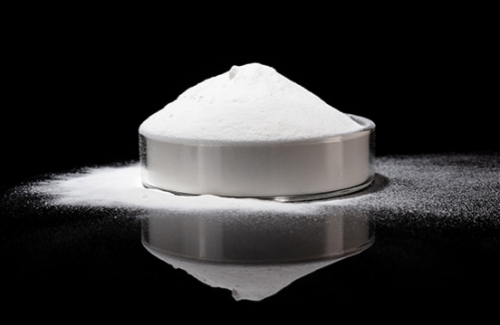
DMG vs SSL vs DATEM: Which Bakery Emulsifier Should You Choose?
Choosing the right emulsifier depends on the final product goals.
| Emulsifier |
Main Function |
Best Applications |
| DMG |
Softness improvement and anti-staling |
Bread, cakes, bakery mixes |
| SSL |
Dough conditioning and balanced softness |
Bread, rolls, frozen dough |
| DATEM |
Strong gluten reinforcement and volume improvement |
Industrial bread production |
When Longer Freshness Is the Priority
DMG is usually the preferred choice.
If the main objective is maintaining softness and improving shelf life, DMG provides strong performance through starch interaction.
When Dough Strength and Volume Are the Main Challenges
SSL or DATEM may provide better results.
For high-volume bread production, DATEM is often selected when maximum dough strengthening is required.
SSL provides a more balanced performance by improving both dough structure and softness.
Can DMG, SSL, and DATEM Be Used Together?
In many commercial bakery formulations, emulsifiers are not used individually.
A combination approach allows manufacturers to achieve multiple functions simultaneously.
For example:
DMG + SSL
can provide:
# Better dough handling
# Improved softness
# Longer freshness
DMG + DATEM
can provide:
# Stronger dough structure
# Improved bread volume
# Better texture during storage
The optimal combination depends on:
# Product type
# Flour quality
# Processing conditions
# Desired shelf life
A professional emulsifier supplier can help bakery manufacturers select the most suitable solution through formulation evaluation and application testing.
How to Select a Reliable Bakery Emulsifier Supplier
For bakery manufacturers, choosing an emulsifier supplier is not only about product availability. Consistent quality, technical support, and supply reliability are equally important.
Consistent Product Quality
Industrial food production requires stable specifications from batch to batch.
Important factors include:
# Reliable raw material sourcing
# Strict quality control
# Complete technical documentation
# Consistent functional performance
Technical Application Support
The same emulsifier may perform differently depending on formulation conditions.
A professional supplier should understand:
# Dough characteristics
# Production processes
# Target product requirements
Rather than simply providing an ingredient, a strong supplier helps customers develop practical solutions.
Global Supply Capability
CHEMSINO specializes in food emulsifiers and provides solutions including DMG, SSL, DATEM, PGPR, PGE, GMS, and other functional ingredients for food manufacturers worldwide.
With certifications including ISO9001, ISO22000, Halal, Kosher, and RSPO, CHEMSINO focuses on delivering consistent quality, reliable supply, and technical support for global customers.
Whether you are producing bread, cakes, bakery mixes, or other processed foods, selecting the right emulsifier system can significantly improve product performance and production efficiency.
Frequently Asked Questions About Bakery Emulsifiers
What is the best emulsifier for bread?
There is no single best emulsifier for all bread products. DMG is commonly selected for softness and freshness, while SSL and DATEM are preferred when stronger dough structure and higher volume are required.
What is the difference between DMG and DATEM?
DMG mainly improves crumb softness and delays staling by interacting with starch. DATEM primarily strengthens gluten structure and improves gas retention, making it suitable for high-volume bread production.
Can DMG replace SSL or DATEM?
Not always. DMG, SSL, and DATEM have different functional mechanisms. Replacement depends on whether the target is softness, dough strength, volume, or shelf-life improvement.
Which emulsifier improves bread volume?
DATEM and SSL are commonly used to improve bread volume because they strengthen dough structure and improve gas retention.
Are bakery emulsifiers safe?
Approved food emulsifiers such as DMG, SSL, and DATEM are widely used in food manufacturing and must comply with food safety regulations in different markets.
Conclusion
DMG, SSL, and DATEM each play an important role in modern bakery production.
DMG is an excellent choice for improving softness and extending freshness. SSL provides balanced dough strengthening and texture improvement, while DATEM delivers strong gluten reinforcement for high-volume bread manufacturing.
For bakery producers, the right emulsifier selection depends on product goals, processing conditions, and market requirements.
As an experienced food emulsifier supplier, CHEMSINO provides customized bakery emulsifier solutions to help manufacturers achieve better texture, improved consistency, and more efficient production. Contact CHEMSINO to discuss your bakery formulation requirements and explore the right emulsifier solution for your products.

 Emulsifier List
 About Us