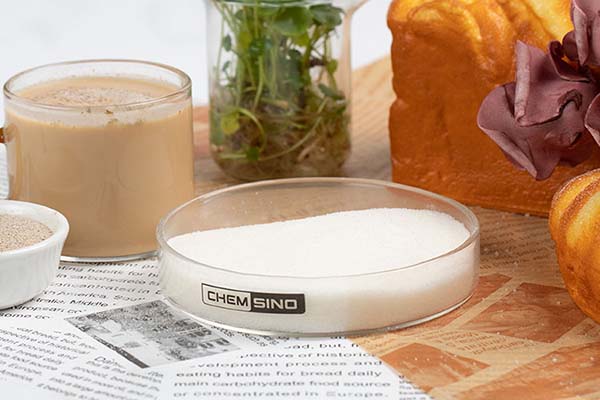
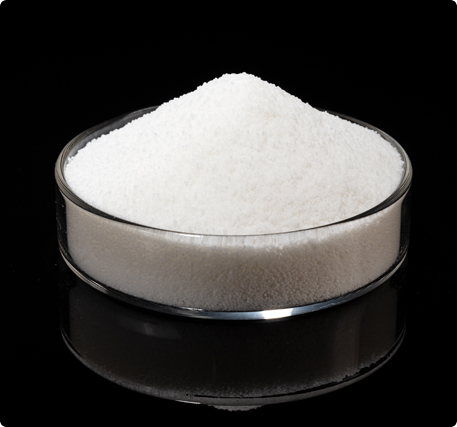
| DATEM Grade | Product Characteristics | Selection Considerations |
| DATEM 80% | Available in solid forms such as flakes, beads, or powder | Check composition and technical specifications |
| DATEM 100% | Available in solid forms depending on supplier | Confirm grade definition and product composition |
| High Acid Value DATEM | A grade with a higher specified acid value | Compare acid value and application requirements |
| Liquid DATEM | Liquid-form product | Consider dosing, handling, and mixing compatibility |
| Factor | DATEM Powder / Solid | DATEM Liquid |
| Handling | Suitable for dry ingredient handling | Depends on viscosity and dosing equipment |
| Addition | Dry blending or suitable incorporation methods | Liquid dosing or compatible mixing systems |
| Main consideration | Dispersion and blending uniformity | Pumpability, dosing, and mixing compatibility |
| Parameter | DATEM 80% / 100% | High Acid Value DATEM |
| Acid Value (mg KOH/g) | 65–85 | 80–100 |
| Saponification Value (mg KOH/g) | 430–480 | 300–520 |
| Iodine Value (g I/100 g) | Max. 2.0 | Max. 2.0 |
| Appearance | Cream to light yellow; flakes, beads, or powder | White to off-white powder |
| Heavy Metals as Pb (mg/kg) | Max. 10 | Max. 10 |
| Application | Key Requirements |
| Sandwich bread and toast | Consistent loaf volume, crumb structure, and slicing quality |
| Hamburger buns | Uniform shape, volume, and dough handling |
| Bread rolls | Stable dough and consistent expansion |
| Frozen dough | Performance after freezing, storage, and thawing |
| Bakery premixes | Compatibility and uniform ingredient blending |
| Cakes and biscuits | Formulation compatibility and processing performance |