
Home
Products
Emulsifier List
Application
Gallery
News
Blog
About Us
About Us
Contact Us
Your Position : Home > Blog

Why Does Yeast Have Sorbitan Monostearate

Date:2024-11-18
Read:
Share:
Yeast is a vital ingredient in baking, responsible for the leavening and fermentation processes that give baked goods their light texture and distinct flavor. In many yeast products, especially those used for commercial baking, sorbitan monostearate is included as a functional additive. This ingredient plays a significant role in enhancing the performance and stability of yeast, as well as improving the quality of the final baked product.


What Is Sorbitan Monostearate?


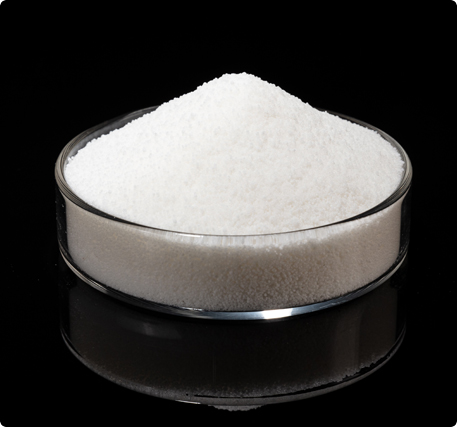
Sorbitan monostearate, commonly labeled as E491, is a food-grade emulsifier commonly used in various food applications. It is derived from sorbitol and stearic acid, making it suitable for stabilizing emulsions, improving texture, and enhancing ingredient interactions. It appears to be powder and is widely used in food, cosmetics, and pharmaceuticals. In yeast products, its unique properties make it particularly valuable for optimizing dough performance and protecting yeast cells.


The Role of Sorbitan Monostearate in Yeast


1. Enhances Dough Conditioning
Sorbitan monostearate strengthens gluten networks in the dough, improving elasticity and workability. This ensures that the dough is easier to handle during processing and contributes to consistent results in baked goods.

2. Boosts Yeast Fermentation
The emulsifier helps yeast cells disperse more effectively in the dough. This facilitates better interaction between the yeast and its food sources, such as sugars, which in turn optimizes gas production for leavening.

3. Protects Yeast Cells
During the manufacturing and storage of dry yeast, sorbitan monostearate protects the delicate yeast cells from damage. It stabilizes cell walls, ensuring that yeast remains viable for extended periods and performs effectively after rehydration.

4. Improves Final Product Quality
By aiding in the retention of gases produced during fermentation, sorbitan monostearate helps create a uniform crumb structure in baked goods. This results in products with better volume, softness, and an appealing texture.

5. Extends Shelf Life
The emulsifier also helps retain moisture in the final product, slowing the staling process. This ensures that baked goods remain fresher for longer, reducing waste and enhancing consumer satisfaction.


Sorbitan Monostearate in yeast

Applications in Yeast Products


Active Dry Yeast: Sorbitan monostearate stabilizes yeast during drying and storage, preserving its functionality.
Instant Yeast: It facilitates faster rehydration and improves yeast activity in the dough, making it ideal for quick and efficient baking processes.
Fresh Yeast: It supports the health and efficiency of yeast cells, enhancing fermentation performance in traditional baking methods.


Other Applications of Sorbitan Monostearate


Beyond yeast products, sorbitan monostearate is a versatile emulsifier with applications in a wide range of food products:
Baked Goods: Improves dough strength and product volume.
Ice Cream and Dairy: Enhances texture and stability, preventing ice crystal formation.
Chocolate and Confectionery: Prevents fat separation, ensuring a smooth and shiny finish.
Beverages: Stabilizes emulsions in milk-based or oil-containing drinks.
In non-food industries, it is commonly used in cosmetics (e.g., creams and lotions) for its emulsifying and moisturizing properties, as well as in pharmaceuticals for stabilizing formulations.


Sorbitan Monostearate in baking

Frequently Asked Questions about Sorbitan Monostearate


Is Sorbitan Monostearate Safe?

Sorbitan monostearate is widely recognized as safe for use in food by regulatory agencies such as the FDA and EFSA. When used within the recommended dosage, it poses no known health risks. It is also metabolized safely in the body, breaking down into sorbitol and stearic acid, which are naturally occurring substances.


Is Sorbitan Monostearate Natural?

While sorbitan monostearate is derived from natural sources like plant-based oils, its production involves chemical processing, making it a semi-synthetic ingredient.


How can I Identify Sorbitan Monostearate in Food Products?

Look for labels mentioning "sorbitan monostearate," "E491," or "emulsifier" on ingredient lists.


How Does Sorbitan Monostearate Compare to Other Emulsifiers?

Compared to Polysorbate 60 or mono- and diglycerides, sorbitan monostearate is more specialized in stabilizing yeast products and providing uniform crumb structures in baked goods.


Conclusion


Sorbitan monostearate is more than just an additive in yeast products. It is a crucial component that enhances the functionality and efficiency of yeast. By improving dough handling, protecting yeast cells, and promoting better product quality, it plays an essential role in modern baking. Whether you are a professional baker or a home baking enthusiast, understanding the role of sorbitan monostearate helps appreciate the science behind your perfectly baked goods.
Related Blog
What is CITREM and Why is it Important for Food
25 Nov 2024
In the vast world of food science and technology, there exists a remarkable ingredient that is quietly revolutionizing the way we enjoy our favorite foods. Enter CITREM emulsifier, also known as Citric Acid Esters of Mono-and Diglycerides. In this article, we’ll explore why CITREM is becoming the go-to emulsifier in modern food production and how it benefits both manufacturers and consumers.
What are sodium stearoyl lactylate(ssl) e481 uses
What Are Sodium Stearoyl Lactylate E481 Uses
26 Jan 2024
Sodium stearoyl lactylate (ssl), or e481, a versatile food additive that usually as emulsifier and stabilizer. SSL emulsifier serves as a mediator between water and fat components, making it significant in achieving uniform texture and enhanced volume in baked goods and many other products. Besides, it is also widely used in cosmetics. Join this article to learn details about properties and uses of sodium stearoyl lactylate e481. And know why ssl emulsifier is so important for your products.  
Cake Gel vs. Baking Powder
08 Jan 2025
In the world of baking, there are numerous ingredients used to improve the texture, taste, and appearance of cakes and other baked goods. Among the most commonly used ingredients are Cake Gel and Baking Powder. Cake Gel and Baking Powder are common but different. At first glance they seem alike, yet their functions, usage and effects vary. Next, we'll explore these differences to help you to better understand how each works and when to use them.
Start earning substantial
profits in your country today!
Email
Whatsapp