Home
Products
Emulsifier List
Application
Gallery
News
Blog
About Us
About Us
Contact Us
Your Position : Home > Blog

What is Sodium Stearoyl Lactylate? Characteristics, Uses and Safety

Date:2023-09-15
Read:
Share:

What Is Sodium Stearoyl Lactylate?


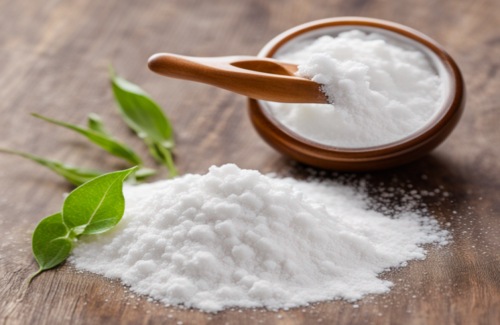
Sodium Stearoyl Lactylate is also known as food additive E481, which is obtained by synthesizing lactic and stearic acids. SSL Sodium Stearoyl Lactate has good emulsifying and anti-aging properties, resulting in excellent emulsification of fats and the formation of oil-in-water systems. As a safe and highly efficient emulsifier and stabilizer, Sodium Stearoyl Lactylate halal is usually added to processed foods to improve the mixing tolerance and volume of them, but can also be found in cosmetics and pharmaceuticals.

What Is Sodium Stearoyl Lactylate


Characteristics of Sodium Stearoyl Lactylate


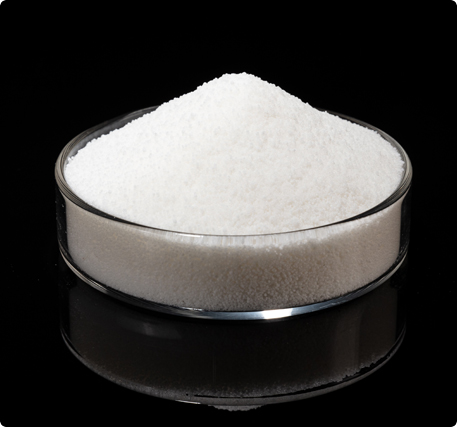
SSL Sodium Stearoyl Lactylate is a lactate, a combination of stearic and lactic acids, which is used to make it for use as a food additive. It occurs as a milky white powder or as a brittle solid. Emulsifier 481 is slightly hygroscopic, soluble in ethanol, fats or hot oils, and can be dispersed in warm water. It is these properties that make Sodium Stearoyl Lactylate halal an ideal emulsifier and humectant for fat-in-water emulsions, which are widely used in the food, cosmetic, and pharmaceutical industries.


Sodium Stearoyl Lactylate Uses in F
ood


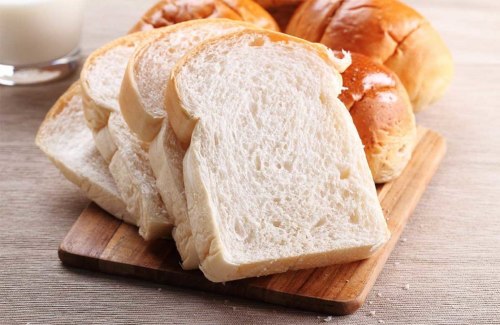
Emulsifier e481 can be used extensively in the food industry. Sodium Stearoyl Lactylate in food is commonly used in baked goods, frostings, all kinds of candies, breads, desserts, ice creams, pies, puddings, beverages, vegetable creams, breakfast cereals, waffles, chewing gums, and more.

Application of Emulsifier e481 in Cosmetics


SSL Sodium Stearoyl Lactylate (a derivative of stearic acid and lactyl lactate) is also broadly used in cosmetics. Its exceptional emulsifying and moisturizing properties make it very popular in the cosmetic industry. Sodium Stearoyl Lactylate halal is an outstanding emulsifier that provides a smooth and creamy texture to cosmetics and enhances the stability of skin care products. Emulsifier 481 i also acts as a cosmetic humectant to moisturize emulsions and thereby improve dry skin conditions. Sodium Stearoyl Lactylate SSL is suitable for use in a wide range of personal care and cosmetic products, including sunscreens, body lotions, hair conditioners, foundations, shower gels, and other products.

Emulsifier e481 is Safe or Not


In terms of health, Sodium Stearoyl Lactate e481 is recognized by the FDA as a safe and non-toxic multifunctional food additive. Sodium stearoyl lactylate emulsifier is safe for use in the food industry. The intake of Sodium Stearoyl Lactylate Vegan is very low and it can be broken down and absorbed by the body, so it is not harmful to the body and only affects the condition of the food. Sodium Stearoyl Lactylate Vegan is also considered safe when used in cosmetics for skin and hair.

With respect to environmental protection, the components of permitted emulsifiers e481 are biodegradable and non-bioaccumulative. Chemsino Emulsifier 481 is also a common substitute for palm oil, which is an endangered resource. Therefore, the use of vegetable emulsifier 481 is also beneficial for the protection of the environment.

Sodium Stearoyl Lactylate Uses in Food


Conclusion


Sodium Stearoyl Lactylate is a safe and vegan food additive. It is regarded as an emulsifier and stabilizer and has a wide range of applications in the daily necessities, food, and pharmaceutical industries. Emulsifier 481 i plays a significant role in improving the appearance and taste of food products, and in improving the texture and quality of cosmetic and pharmaceutical products.
Related Blog
What Emulsifier is Used in Ice Cream
15 Mar 2024
Emulsifiers are essential parts in ice cream production, playing a crucial role in creating the fantastic and popular product. This post provides a comprehensive overview of ice cream emulsifiers, including why emulsifiers are used in ice cream, common emulsifiers for ice cream(Lecithin, mono- and diglycerides, Polysorbate 80, and Polyglycerol Esters of Fatty Acids), natural vs. Synthetic emulsifiers in ice cream, as well as ice cream emulsifiers buying guidance.
Monoglyceride: Key Properties, Uses, and Considerations
26 Aug 2024
Distilled Monoglyceride (DMG) is a vital food additive and industrial auxiliary agent. It is extensively used across various industries, including food, plastics, and cosmetics. Its unique physical and chemical properties make it indispensable in these sectors. This article provides a detailed overview of the characteristics, applications, and considerations related to distilled monoglycerides, helping readers gain a better understanding of how to effectively utilize this substance.
CSL vs SSL vs DATEM
CSL vs SSL vs DATEM: What’s the Difference?
07 Jan 2026
CSL, SSL, and DATEM are three widely used emulsifiers and dough conditioners in the bakery industry. Each plays a unique role in improving dough strength, volume, texture, and shelf life. CSL (Calcium Stearoyl Lactylate) enhances gluten structure and freshness, SSL (Sodium Stearoyl Lactylate) improves softness and emulsification, while DATEM (Diacetyl Tartaric Acid Esters of Mono- and Diglycerides) provides strong gluten strengthening for high-volume or frozen dough. Understanding their differences helps bakers select the right emulsifier for consistent, high-quality baked goods.
Start earning substantial
profits in your country today!
Email
Whatsapp