Home
Products
Emulsifier List
Application
Gallery
News
Blog
About Us
About Us
Contact Us
Your Position : Home > Blog

Tween 20 vs Other Polysorbates: Key Differences and Applications

Date:2025-12-22
Read:
Share:
Polysorbates are non-ionic surfactants widely used as emulsifiers, solubilizers, and stabilizers in food, pharmaceuticals, and personal care products. Among them, Tween 20 (Polysorbate 20, E432) is one of the most commonly used polysorbates, but it differs significantly from other polysorbates (such as Tween 40, Tween 60, and Tween 80).

This blog discusses the main differences between Tween 20 and other polysorbates, their applications, how to choose the right one, and regulations and safety considerations.


What Is Tween 20 (Polysorbate 20)?


Tween 20 is a hydrophilic, non-ionic emulsifier derived from sorbitol and lauric acid. It is primarily used as a solubilizer in oil-in-water (O/W) systems.

Key properties of Tween 20:

High HLB value (~16.7)
Excellent water solubility
Mild taste and low odor
Effective at low dosage levels

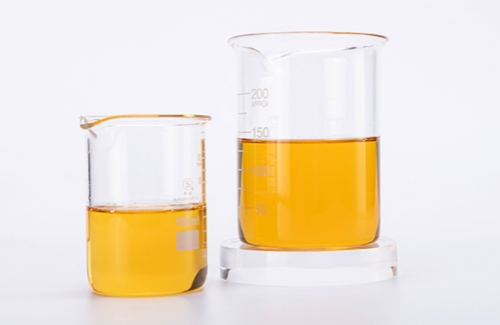
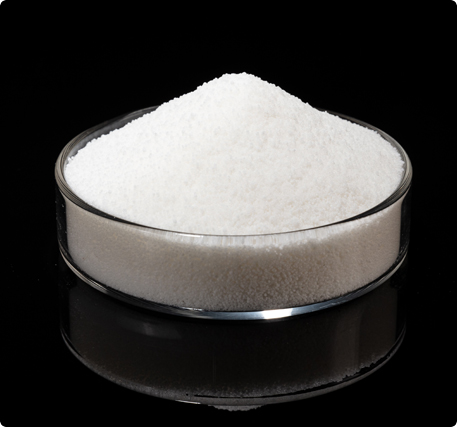
tween-20-e432-chemsino


Comparison of Tween 20 and Other Polysorbates


1. Fatty Acid Source


The main difference between polysorbates lies in the fatty acid used during esterification, which affects performance and application range.
 
Polysorbate Fatty Acid Common Name
Tween 20 Lauric acid Polysorbate 20
Tween 40 Palmitic acid Polysorbate 40
Tween 60 Stearic acid Polysorbate 60
Tween 80 Oleic acid Polysorbate 80

Shorter-chain fatty acids like lauric acid make Tween 20 more water-loving, while longer or unsaturated fatty acids improve compatibility with heavier oils.

At Chemsino, Tween 20 is made from high-purity lauric acid, ensuring reliable performance and consistent quality across different applications.


2. HLB Value and Emulsification Behavior


HLB (Hydrophilic–Lipophilic Balance) plays a critical role in emulsifier selection.
 
Polysorbate HLB Value Typical Function
Tween 20 ~16.7 Solubilizer, clear O/W systems
Tween 40 ~15.6 O/W emulsifier
Tween 60 ~14.9 Cream and fat emulsification
Tween 80 ~15.0 Oil and flavor dispersion

Tween 20 has the highest HLB, making it ideal for formulations requiring clarity and high water compatibility.


3. Functional Differences


Tween 20

Excellent solubilizing ability
Helps maintain clarity in liquids
Mild impact on taste and aroma

Other Polysorbates

Better for emulsifying larger amounts of oil or fat
Improve texture and mouthfeel
Often used where richness or creaminess is needed

In practice, this means Tween 20 works best in lighter systems, while Tween 60 and Tween 80 shine in more complex, oil-rich formulas.


Application Areas


Food and Beverage Applications


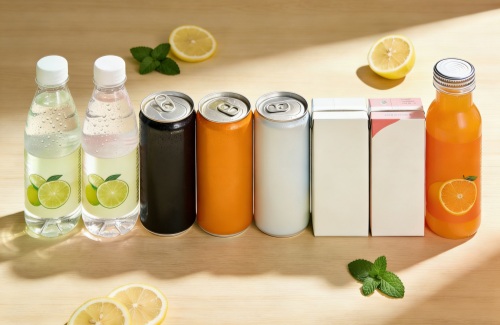
Tween 20: Soft drinks, flavored water, vitamin beverages, dairy drinks

Tween 60: Ice cream, whipped toppings, bakery creams

Tween 80: Flavor oils, sauces, emulsified condiments

Tween 20 in drinks


Pharmaceutical Applications


Tween 20: Protein stabilization, vaccines, injectables

Tween 80: Drug solubilization, lipid-based formulations


Cosmetics and Personal Care


Tween 20: Toners, facial cleansers, fragrance solubilization

Tween 60 & 80: Creams, lotions, hair care products


How to Choose the Right Polysorbate


Choose Tween 20 if your formulation:

Is mostly water-based
Contains a low level of oil
Needs to stay clear and stable

Choose Tween 60 or Tween 80 if:

The oil or fat content is higher
Texture and richness are important
Stronger emulsification is required

In some cases, formulators even combine polysorbates to fine-tune performance.


Regulatory and Safety Considerations


Polysorbates, including Tween 20 (E432), are widely approved for use in food, pharmaceutical, and cosmetic products around the world. When used within recommended limits, they are considered safe and reliable formulation ingredients.


Final Thoughts


Tween 20 performs exceptionally well in terms of solubilization and transparency, making it ideal for use in beverages, pharmaceuticals, and cosmetic liquids. In contrast, other polysorbates offer stronger emulsification for fat-rich systems

Understanding these differences will help you produce stable products. Besides, collaborating with suppliers and manufacturers with extensive industry experience, such as Chemsino, can assist you in selecting the right emulsifier ingredients. Contact us today for free samples.
Start earning substantial
profits in your country today!
Email
Whatsapp