Home
Products
Emulsifier List
Application
Gallery
News
Blog
About Us
About Us
Contact Us
English
Your Position : Home > Blog

Span 60 vs Span 80: Properties, Functions & Applications

Date:2025-10-22
Read:
Share:
Emulsifiers help stabilize and evenly mix ingredients in many foods, pharmaceuticals, and cosmetics. Span 60 (E491) and Span 80 (E494) are two common emulsifiers. This blog explains their key differences, properties, and uses, as well as how to choose the right emulsifier for your formulation.
 

What Are Span 60 and Span 80?


Span 60 (Sorbitan Monostearate) and Span 80 (Sorbitan Monooleate) are non-ionic emulsifiers derived from sorbitol and fatty acids. Their primary role is to stabilize water-in-oil (W/O) emulsions, where water droplets are dispersed in an oil phase.

Span 60 is made from stearic acid, a saturated fatty acid, giving it a higher melting point and more solid consistency.

Span 80 is made from oleic acid, an unsaturated fatty acid, resulting in a more fluid and oily form at room temperature.

Both are widely used because of their good stability, low toxicity, and compatibility with a wide range of other emulsifiers, especially Tween emulsifiers (like Tween 60 and Tween 80) in combined systems.

Span 80 Sorbitan Monooleate Emulsifier


The Differences Between Span 60 and Span 80

 
Property Span 60 (Sorbitan Monostearate) Span 80 (Sorbitan Monooleate)
Physical Form White to off-white waxy solid Amber to brown viscous liquid
HLB Value Around 4.7 Around 4.3
Fatty Acid Type Saturated (stearic acid) Unsaturated (oleic acid)
Melting Point Higher (approx. 50–55°C) Lower (liquid at room temp)
Solubility Soluble in oils and alcohol Soluble in oils and organic solvents
Typical Emulsion Type Water-in-Oil (W/O) Water-in-Oil (W/O)
Main Benefit Adds firmness and texture Improves fluidity and spreadability

In short, Span 60 is more suitable for solid or semi-solid products requiring structure and stability, while Span 80 is ideal for liquid formulations needing smooth flow and flexibility.


Applications in Different Industries


Food Industry


Span 60: Used in margarine, whipped toppings, baked goods, chocolate coatings, and dairy products to enhance texture, aeration, and fat stability.

Span 80: Common in liquid emulsions, flavor carriers, and sauces, where it ensures smooth dispersion and prevents separation.


Cosmetics & Personal Care


Span 60: Adds body and creaminess to lotions, creams, and balms.

Span 80: Ideal for serums, cleansing oils, and sprays, offering a light, non-greasy texture.


Pharmaceuticals


Both are used as excipients in ointments, emulsions, and controlled-release formulations, offering safety, stability, and compatibility with other ingredients.
 

Storage and Handling Recommendations


Proper storage is key to maintaining the quality and performance of Span 60 powder and Span 80.

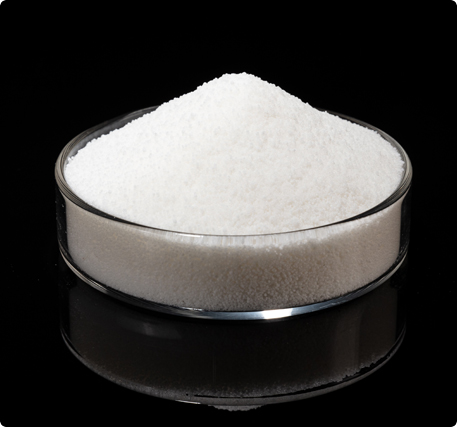
Span 60 should be kept in a cool, dry place, protected from moisture and direct sunlight to prevent clumping or degradation.

Span 80 should be stored at stable temperatures and shielded from oxidation. Always seal containers tightly and avoid contamination with other ingredients. Following these practices helps ensure consistent emulsifying performance and longer shelf life in food, cosmetic, and pharmaceutical formulations.

Span emulsifier for bakery


How to Choose Between Span 60 and Span 80?


When selecting the right emulsifier, consider:

Product texture and form:

Span 60 for firm, structured products

Span 80 for liquid or pourable formulations

Processing temperature:

Span 60 performs better in higher-temperature processes.

Desired emulsion type:

Both are W/O emulsifiers, but can be paired with the Tween series for O/W systems.

Compatibility with other ingredients:

Combining Spans with Tweens can fine-tune the HLB value for optimal emulsion balance.


Regulatory Compliance Across Different Markets


Europe: Span 60 and Span 80 are classified as E491 and E494, approved for food use.

United States: Both are recognized as GRAS (Generally Recognized As Safe).

Cosmetics: Comply with CIR and ISO safety standards.

Pharmaceuticals: Follow pharmacopeial guidelines for safe use.

Tip for manufacturers: Always check local regulations and labeling rules, especially for exported products, to ensure compliance and consumer trust.


Conclusion


Span 60 and Span 80 both belong to the sorbitan ester family, but their fatty acid content differs, resulting in distinct functionalities. Understanding these differences can help you produce consistent product quality.

CHEMSINO offers high-quality Span 20, Span 60, and Span 80 emulsifiers and a variety of other ingredients to help improve your production efficiency. Contact us today for more details and free samples.

 
Start Earning Substantial
Profits in Your Country Today!
Email
Whatsapp