Home
Products
Emulsifier List
Application
Gallery
News
Blog
About Us
About Us
Contact Us
Your Position : Home > Blog

Sodium Stearoyl Lactylate (SSL) in Bakery Products

Date:2024-11-01
Read:
Share:
Sodium Stearoyl Lactylate (SSL) is a prominent food emulsifier widely utilized in the bakery industry. Renowned for its functional properties, SSL enhances the quality and shelf life of various baked goods. This article aims to provide a comprehensive understanding of SSL, focusing on its functions, applications, and benefits of bakers and manufacturers incorporate it into their products.


What is Sodium Stearoyl Lactylate?


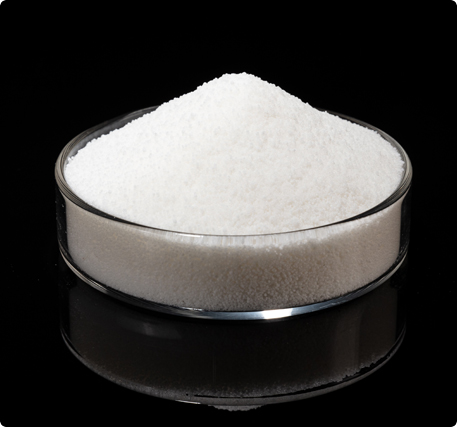
SSL is a food additive derived from the reaction of stearic acid and lactic acid. It is classified as an emulsifier and is recognized under the E number E481. Sodium Stearoyl Lactylate SSL appears as a white to off-white powder and is soluble in water and oil, making it versatile for various food applications. Its primary role in bakery products is to stabilize emulsions and improve the overall quality of the final product.


How SSL Works in Bakery Products


1. Emulsification

In bakery formulations, SSL serves as an effective emulsifier, helping to blend fat and water. This is critical in achieving a uniform texture in products such as breads, cakes, and pastries. By stabilizing emulsions, SSL prevents the separation of ingredients, ensuring a consistent moisture content that contributes to the final product's quality.

2. Strengthening Dough

One of the most significant benefits of SSL is its ability to strengthen dough. When added to bread dough, SSL interacts with gluten proteins, enhancing their elasticity and extensibility. This is particularly important for yeast-leavened products, where a strong dough structure is necessary for optimal rise and texture. With SSL, bakers can achieve improved handling characteristics and fermentation results, leading to better-quality bread.

Sodium Stearoyl Lactylate in bread


3. Increasing Volume and Softness

SSL enhances gas retention during fermentation, resulting in a lighter, airier texture in baked goods. This volume increase is essential for products like bread and cakes, where a soft crumb is desired. Additionally, SSL helps maintain the softness and moisture of baked products, extending their freshness and shelf life.


Benefits of Using SSL in Bakery Applications


1. Extended Shelf Life

Baked goods formulated with SSL tend to have longer shelf lives due to its moisture-retaining properties. By minimizing moisture loss, SSL helps maintain product quality over time, reducing spoilage and waste, which is particularly beneficial for manufacturers looking to improve profitability.

2. Consistency in Quality

The use of SSL ensures that bakery products maintain a uniform texture and flavor across different batches. This consistency is crucial for building brand loyalty, as consumers expect reliable quality each time they purchase a product.

3. Versatility Across Product Types

SSL can be used in a diverse range of bakery items, including breads, cakes, muffins, pastries, and more. Its multifunctional nature makes it a valuable ingredient for formulators seeking to enhance product quality across various applications.

4. Cost-Effectiveness

Incorporating SSL can lead to cost savings by improving dough performance and extending shelf life. Manufacturers can often reduce the need for additional high-cost ingredients aimed at enhancing texture, resulting in a more economical formulation.
 

Sodium Stearoyl Lactylate in baking

Common Applications of SSL in Bakery Products


1. Bread
SSL is particularly effective in bread-making, where it contributes to improved dough strength, volume, and texture. It is commonly used in white bread, whole grain bread, and specialty formulations to achieve the desired characteristics.
2. Cakes and Muffins
In cakes and muffins, SSL enhances moisture retention and crumb structure, creating a tender and moist texture. This is vital for commercially produced items, where staling is a concern.
3. Pastries and Croissants
For pastries, SSL enhances flakiness and overall quality. It aids in achieving the desired texture in croissants and other layered pastries, ensuring a satisfying mouthfeel.
4. Frozen Bakery Products
SSL is crucial for frozen baked goods, maintaining quality during storage and reheating. It helps preserve moisture and texture, ensuring that products taste freshly baked after thawing.


Final Thoughts


Sodium Stearoyl Lactylate SSL is an essential emulsifier in the bakery industry, offering numerous benefits that enhance product quality and shelf life. Its ability to improve dough strength, maintain moisture, and ensure product consistency makes it a popular choice among bakers and formulators.

Henan Chemsino Industry Co., Ltd is a sourcing supplier of excellent Sodium Stearoyl Lactylate E481 emulsifier. All our products enjoy good price, fast shipping, and customized packaging. Get in touch with us to start your business now!
Related Blog
Shelf Life, Storage, and Stability of Food Emulsifiers
30 Jan 2026
This introduction highlights the importance of proper shelf life management, storage conditions, and stability control in maintaining the performance of food emulsifiers. It emphasizes how understanding emulsifier behavior over time helps manufacturers and distributors ensure consistent product quality, prevent production issues, reduce waste, and remain compliant with regulatory requirements.
The Role of Hydrophilic-Lipophilic Balance HLB in Emulsifier Selection
07 Mar 2025
If you`ve ever struggled with finding the right emulsifier for your food product, you're not alone. One key factor that helps food scientists make the right choice is something called the Hydrophilic-Lipophilic Balance (HLB). But what does that mean, and how can it help you? Let`s break it down in simple terms and see how HLB plays a role in keeping your products smooth, stable, and high-quality.
What is the Process of Emulsification?
08 Dec 2023
The emulsification process is a method of combining two incompatible liquids—typically oil and water—into a stable, regular mixture known as an emulsion. The key to this process is the use of emulsifiers or emulsifying agents, which have both hydrophilic (water-attracting) and hydrophobic (oil-attracting) properties. These emulsifiers reduce the surface tension between the oil and water, allowing them to mix and form a stable emulsion. This article mainly explore the common progress of emulsification and factors that influencing emulsification.  
Start earning substantial
profits in your country today!
Email
Whatsapp