Home
Products
Emulsifier List
Application
Gallery
News
Blog
About Us
About Us
Contact Us
English
Your Position : Home > Blog

Polyglycerol Esters (E475) vs. Propylene Glycol Esters (E477)

Date:2025-10-31
Read:
Share:
Polyglycerol Esters of Fatty Acids (PGE, E475) and Propylene Glycol Esters of Fatty Acids (PGMS, E477) are two of the most widely used and technically important ingredients. Both belong to the family of non-ionic surfactants and are valued for their ability to stabilize emulsions, improve texture, and extend shelf life. However, they differ in structure, thermal behavior, and optimal use in food systems. This article provides a complete overview of their characteristics, functions, and key differences — helping food technologists and manufacturers make informed formulation choices.
 

What Are Polyglycerol Esters of Fatty Acids (PGE, E475)?


Polyglycerol Esters are formed by esterifying polyglycerol (a polymer of glycerol) with fatty acids derived from vegetable oils. This gives PGE a multi-hydroxyl structure that contributes to its strong emulsifying power, thermal stability, and compatibility with both water and fat phases.

Main properties of PGE include:

- High resistance to heat and oxidation  
- Strong emulsification capacity, even under varying pH  
- Excellent aeration and anti-staling performance in baked goods  
- Improves texture, softness, and volume in bread and cakes  

Typical applications:

- Bread, cakes, and sponge mixes  
- Margarine, spreads, and shortening  
- Chocolate coatings and dairy products  
- Whipped creams and aerated desserts  

Because of its multifunctionality, PGE is often used in combination with other emulsifiers to enhance volume, texture, and moisture retention.

PGE in desserts


What Are Propylene Glycol Esters of Fatty Acids (PGMS, E477)?


Propylene Glycol Esters (PGMS) are produced by reacting propylene glycol with edible fatty acids. Unlike PGE, PGMS has a simpler molecular structure and provides a smoother and creamier mouthfeel, making it ideal for products requiring rich textures and stable emulsions at lower temperatures.

Main properties of PGMS include:

- Excellent dispersibility and emulsification ability  
- Provides smooth, creamy texture and stable foam structure  
- Improves aeration and uniform fat distribution  
- Enhances product stability during freezing and thawing  

Typical applications:

- Cake premixes and whipped toppings  
- Frozen desserts, ice cream, and creams  
- Margarine, shortenings, and sauces  

PGMEF is especially valued for maintaining product smoothness and preventing fat separation in emulsified systems like whipped cream or ice cream.


Main Differences Between PGE and PGMS


While both are used as emulsifiers, their performance varies based on formulation type, processing conditions, and product goals.
 
Feature PGE (E475) PGMS (E477)
Chemical origin Polyglycerol + fatty acids Propylene glycol + fatty acids
Heat stability Excellent for baking and frying Moderate, best for low-temperature systems
Emulsifying power Very strong, stable under stress Strong, ideal for creamy dispersions
Aeration ability High – builds volume and texture Moderate – improves foam smoothness
Texture effect Enhances softness and structure Provides a creamy and smooth mouthfeel
Typical uses Bakery, chocolate, margarine Ice cream, whipped cream, and sauces

In short, PGE performs best in baked and aerated foods that undergo high-temperature processing, while PGMS excels in cold or creamy applications that prioritize mouthfeel and texture stability.


Synergistic Use in Food Applications


Many formulators combine PGE and PGMS to achieve complementary effects:

- In cakes: PGE strengthens batter structure, while PGMS improves crumb softness.  
-In margarine: PGE maintains emulsion stability during storage, while PGMS enhances spreadability.  
-In whipped toppings: Together, they improve overrun, foam stability, and long-lasting creaminess.  

This synergy allows manufacturers to fine-tune product performance across diverse processing conditions.

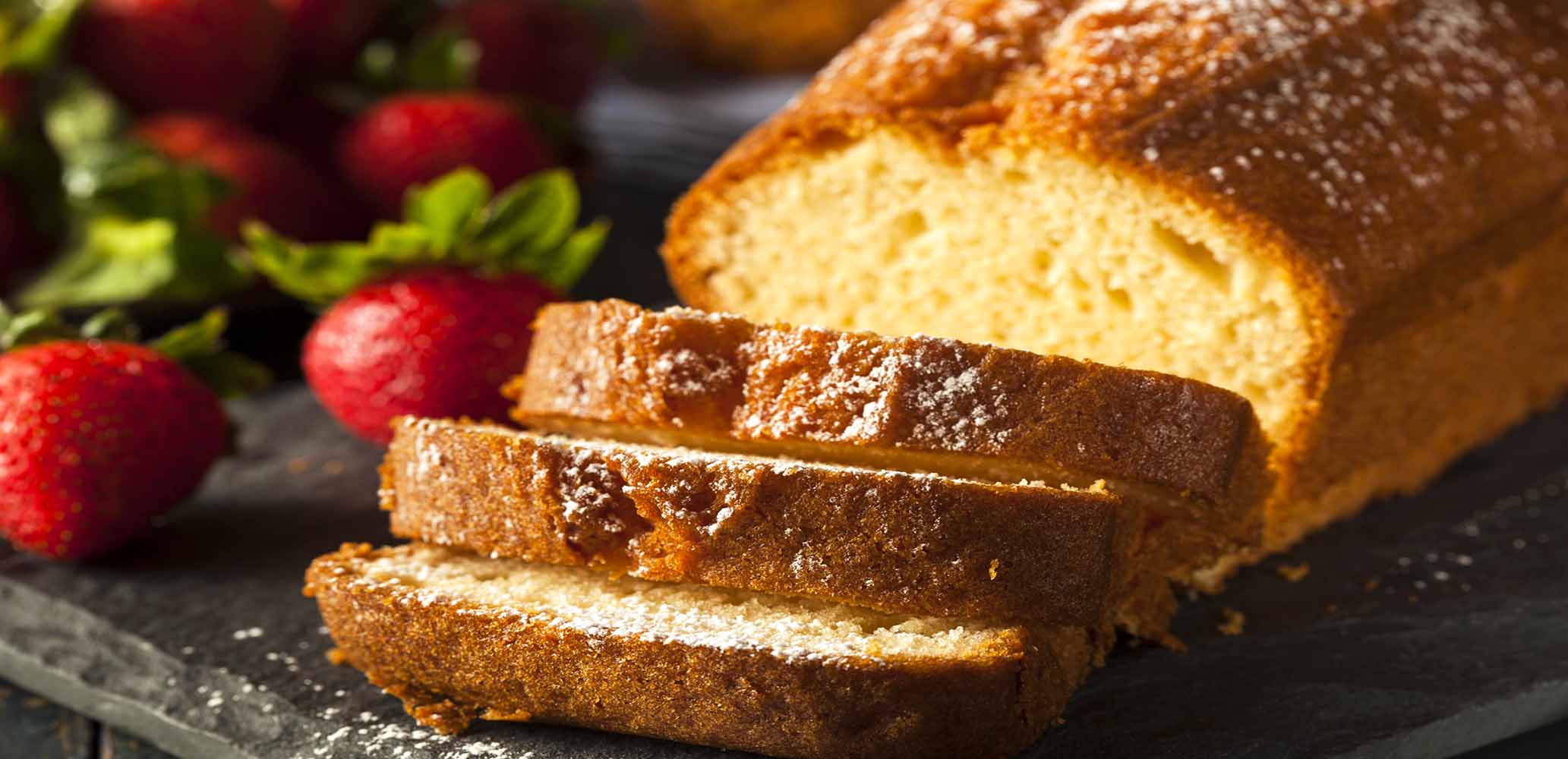
PGE and PGMS in Cake


Safety and Global Regulations


Both E475 (PGE) and E477 (PGMS) are recognized as safe food additives by international authorities such as FAO/WHO JECFA, EFSA, and the U.S. FDA. They are widely approved for use in bakery, dairy, confectionery, and frozen foods. When used within recommended dosage limits, they pose no health risks and contribute to product quality and consistency.
 

Final Thoughts


Polyglycerol Esters (E475) and Propylene Glycol Esters (E477) are both vital tools for achieving consistent texture, stability, and sensory quality in modern food production.
  
- PGE delivers exceptional heat resistance and structural improvement in baked goods.  
- PGMS ensures smoothness and stable emulsions in creamy or frozen systems.  

Understanding how these two emulsifiers differ — and how they can work together — helps manufacturers optimize performance, reduce costs, and meet consumer expectations for high-quality food textures.


Looking for Reliable Emulsifier Solutions?


If you are a food manufacturer, distributor, or R&D technologist seeking high-quality emulsifiers like E475 or E477, CHEMSINO can provide consistent, customizable, and cost-effective ingredients for your formulations.

Contact CHEMSINO today to discuss how our emulsifier portfolio can enhance your bakery, dairy, and confectionery products.

 
Start Earning Substantial
Profits in Your Country Today!
Email
Whatsapp