Home
Products
Emulsifier List
Application
Gallery
News
Blog
About Us
About Us
Contact Us
Your Position : Home > Blog

How to Prevent Caking in Food Emulsifiers

Date:2026-01-04
Read:
Share:
Caking is a common physical stability issue in powdered food emulsifiers. It occurs when free-flowing particles agglomerate into lumps during storage or transportation, reducing usability and processing efficiency. For food manufacturers and distributors, caking can lead to inaccurate dosing, production delays, and quality inconsistencies.

This article explains what causes caking in food emulsifiers and outlines effective, industry-proven methods to prevent it, helping ensure consistent performance throughout the supply chain.


What Is Caking in Food Emulsifiers?


Caking refers to the irreversible or semi-reversible formation of solid lumps in powdered or granular emulsifiers. Once caking occurs, the product may lose its free-flowing properties and become difficult to disperse uniformly in food formulations.

Food emulsifiers commonly affected by caking include:

Distilled Monoglycerides (E471)
Glycerol Monostearate (GMS)
Sodium Stearoyl Lactylate (SSL)
Sorbitan Esters (Span series)
Polysorbates (Tween series, powder forms)

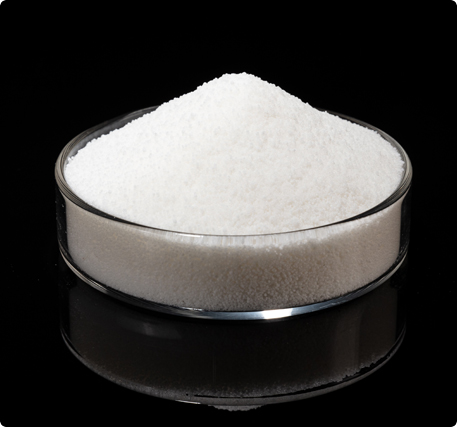
Distilled monoglycerides powder


Main Causes of Caking in Food Emulsifiers


1. Moisture Absorption


Many food emulsifiers are hygroscopic and readily absorb moisture from the surrounding environment. Even low humidity levels can lead to surface wetting, particle adhesion, and eventual lump formation.


2. Temperature and Thermal Fluctuations


High storage temperatures or repeated heating and cooling cycles may soften emulsifier particles or cause partial melting. Upon cooling, recrystallization can bind particles together, accelerating caking.
 

3. Particle Size and Surface Area


Fine powders have a larger surface area, increasing van der Waals forces and moisture interaction. This makes ultra-fine emulsifier powders more susceptible to agglomeration.
 

4. Mechanical Pressure During Storage


Extended stacking, pallet pressure, or vibration during transport can compress emulsifier particles, especially in flexible packaging, promoting physical bonding.
 

How to Prevent Caking in Food Emulsifiers


1. Control Storage Humidity


Maintain warehouse relative humidity below 60%
Use dehumidifiers in high-humidity regions
Include desiccants for long-distance or sea freight shipments


2. Maintain Stable Storage Temperature


Recommended storage temperature: below 25°C
Avoid direct sunlight and heat sources
Prevent frequent temperature fluctuations during storage and transport


3. Use Appropriate Packaging Materials


Select moisture-barrier packaging, such as PE-lined kraft bags or aluminum foil composite bags
Ensure airtight sealing to prevent moisture ingress
Replace damaged or compromised packaging immediately


Food emulsifiers in food

4. Optimize Product Formulation and Processing

Apply controlled granulation to improve flowability
Avoid excessively fine milling when not required
Use approved anti-caking agents (e.g., silicon dioxide) where permitted by local food regulations
Control crystallization conditions during manufacturing to enhance powder stability


5. Improve Handling and Inventory Management


Limit stacking height to reduce compressive force
Apply FIFO (First In, First Out) inventory practices
Avoid prolonged storage beyond the recommended shelf life


Why Preventing Caking Is Critical for Food Manufacturers


Effective caking control directly influences:

Accurate weighing and dosing
Consistent product dispersion
Processing efficiency
Final food quality and appearance

Free-flowing emulsifiers reduce production downtime and help maintain stable product performance across batches.


Ensuring Emulsifier Stability Across the Supply Chain


From production to end use, preventing caking requires coordinated control of formulation, packaging, storage, and logistics. Working with an experienced emulsifier supplier helps reduce caking risks and ensures consistent product quality.
Suppliers that implement moisture control, particle size optimization, and standardized packaging can significantly improve emulsifier stability during storage and transportation.


Conclusion


Caking in food emulsifiers is primarily caused by moisture, temperature variation, fine particle size, and mechanical pressure. By applying proper storage conditions, suitable packaging, optimized processing methods, and effective inventory management, food manufacturers and distributors can significantly reduce caking issues.

Preventing caking is essential for maintaining emulsifier performance, production efficiency, and long-term product quality.  
Start earning substantial
profits in your country today!
Email
Whatsapp