Home
Products
Emulsifier List
Application
Gallery
News
Blog
About Us
About Us
Contact Us
Your Position : Home > Blog

How Does GMS Flake Compare to GMS Liquid

Date:2025-07-07
Read:
Share:
Glycerol Monostearate (GMS) is a widely used emulsifier, stabilizer, and thickening agent found in a variety of food, cosmetic, and pharmaceutical applications. We offer multiple forms of GMS to suit diverse production needs, including GMS Flake and GMS Liquid. But how do these two forms compare? Which one should you choose for your formulation? You can find out by understanding the key differences between GMS Flake vs GMS Liquid.


What Is GMS Flake?


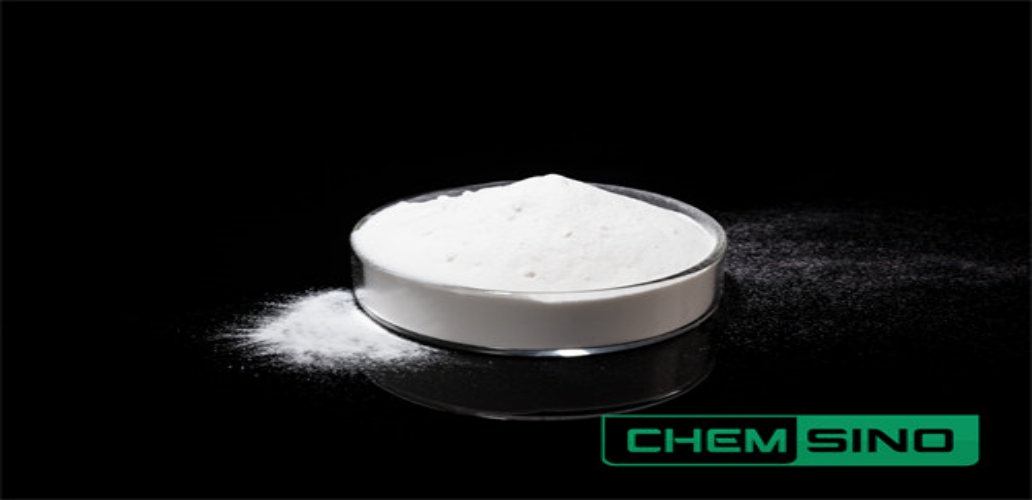
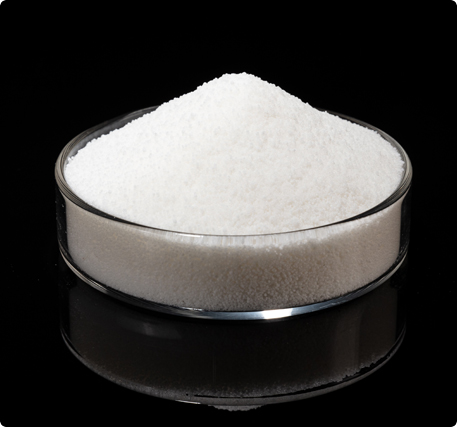
GMS Flake, or Glycerol Monostearate Flake, is a white to off-white solid wax-like material typically supplied in flake or powder form. It is commonly made from high-purity monoglycerides derived from vegetable oil and is prized for its stability and ease of storage.

Key benefits of GMS Flake:
Long shelf life
Easy to handle and dose in dry blending
Thickens products like ice cream and whipped cream, and prevents powdered goods from caking
Suitable for baked goods, dairy, margarine, and cosmetics

Gms in dairy and baking

Use cases:
GMS Flake is often used in bread and cake production to improve texture and extend shelf life. In dairy applications like ice cream, it prevents ice crystal formation. It’s also a common additive in personal care products like creams and lotions for its emollient properties.

Considerations for GMS Flake:
Requires Melting: To use GMS flake, it usually needs to be heated and melted, which adds a processing step and can be time-consuming. This is a key difference when considering GMS flake vs GMS liquid manufacturing.

Dispersion Challenges: Without proper agitation, melted GMS flake can sometimes re-solidify or form clumps, leading to uneven distribution in the final product.


What Is GMS Liquid?


GMS Liquid, or Glycerol Monostearate Liquid, is a pre-emulsified, flowable version of monoglycerides. It is designed for direct incorporation into liquid processing systems, offering fast dispersion and easy mixing.

Key benefits of GMS Liquid:
No need for pre-heating or melting
High efficiency in emulsification
Excellent dispersion in aqueous and oil phases
Consistent dosing in automated systems

Use cases:
GMS Liquid is ideal for beverage emulsions, sauces, instant creams, and pharmaceutical suspensions, where quick incorporation and consistent performance are critical. It’s especially useful in continuous production environments that demand efficiency.

Gms Liquid in sauces and beverage emulsions

Considerations for GMS Liquid:
Lower Concentration: Because it's diluted, you'll need to use a larger quantity of GMS liquid to achieve the same GMS concentration as the flake form. This can sometimes translate to higher shipping costs due to increased volume.

Shorter Shelf Life: The presence of solvents and higher water content can sometimes lead to a shorter shelf life compared to GMS flake.


GMS Flake vs Liquid: Which One Should You Choose?


Your choice between GMS Flake and GMS Liquid depends on several factors:

 
Criteria GMS Flake GMS Liquid
Form Solid flakes Viscous liquid
Processing Requires melting Ready to use
Storage Stable in dry form Requires sealed containers
Application Suitability Baking, dairy, cosmetics Beverages, sauces, pharma emulsions
Dosage Flexibility Good for batch systems Better for continuous systems

If you work in high-temperature processes or dry blending, GMS Flake offers convenience and stability. If your process requires fast integration and precise dosing, especially in liquids, GMS Liquid is the smarter choice.


Conclusion


Both forms of Glycerol Monostearate offer unique advantages. Whether you’re formulating ice cream, baked goods, or emulsified beverages, choosing the right type of GMS can improve your product’s performance and production efficiency. At Chemsino, we supply high-quality GMS Flake and GMS Liquid tailored to your needs—available in bulk and ready for global delivery. Contact our team for a free sample today.

 
Related Blog
Top 5 Food Emulsifiers for Confectionery Production 
20 Sep 2024
Emulsifiers for confectionery is highly important to ensure smooth textures, stability, and shelf life for creating excellent sweets, chocolates, and baked goods. These additives help blend ingredients like fats, oils, and water, which would otherwise separate. Choosing the right food emulsifier is critical for producing consistent, delicious, and long-lasting confectionery products. In this article, we'll explore the top 5 emulsifiers used in confectionery production, their benefits, and how they enhance the quality of various confectionery products. 
span-60-vs-span-80
Span 60 vs Span 80: Properties, Functions & Applications
22 Oct 2025
This blog explains the key differences between Span 60 (Sorbitan Monostearate) and Span 80 (Sorbitan Monooleate), including their physical properties, typical applications in food, cosmetics, and pharmaceuticals, storage and handling guidelines, and regulatory considerations. It also provides guidance on choosing the right emulsifier for your formulation and practical tips for optimal performance.
Emulsifiers and Potassium Sorbate for Shelf-Stable Desserts
13 Aug 2025
Creating high-quality shelf-stable desserts requires more than just delicious ingredients. Emulsifiers and potassium sorbate are key to ensuring your products stay smooth, creamy, and safe over time. Emulsifiers improve texture, stability, and aeration, while potassium sorbate protects against molds, yeasts, and bacteria. Together, they help manufacturers maintain consistent quality, extend shelf life, and deliver desserts that delight customers from production to consumption.
Start earning substantial
profits in your country today!
Email
Whatsapp