Home
Products
Emulsifier List
Application
Gallery
News
Blog
About Us
About Us
Contact Us
Your Position : Home > Blog

GML vs Other Emulsifiers: What Makes Glyceryl Monolaurate Stand Out

Date:2025-06-27
Read:
Share:
When it comes to formulating stable, safe, and shelf-stable food products, emulsifiers are indispensable. Among them, Glyceryl Monolaurate (GML) has gained increasing popularity—not only for its emulsifying power but also for its antimicrobial functionality.

So how does GML stack up against other widely used emulsifiers like Glycerol Monostearate (GMS) or Sodium Stearoyl Lactylate (SSL)? And what makes it a standout choice for certain applications?


What Is Glyceryl Monolaurate (GML)?


Glyceryl Monolaurate is a monoester formed from glycerol and lauric acid, usually sourced from coconut oil or palm kernel oil. It’s recognized by its additive code E471, and approved by major food safety authorities including the FDA and EFSA.

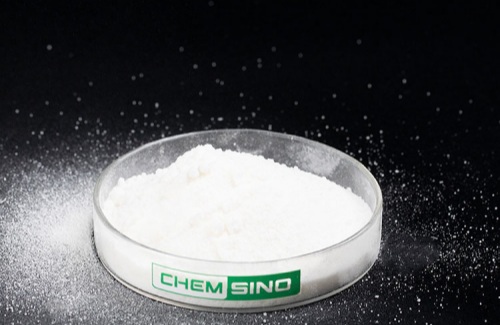
GML 90 Chemsino

What makes GML special is that it’s not just an emulsifier—it also functions as an antimicrobial agent, capable of inhibiting harmful microorganisms in food products. This dual-function makes it a valuable tool for manufacturers looking to simplify ingredients while enhancing shelf life.


Comparing GML with Other Emulsifiers


To better understand GML’s position in food systems, let’s compare it with some commonly used emulsifiers:
 
Feature GML GMS (Glycerol Monostearate) SSL (Sodium Stearoyl Lactylate)
Source Lauric acid (Coconut/Palm kernel) Stearic acid (Animal/Vegetable) Stearoyl lactylate + Sodium
Emulsifier Type Non-ionic Non-ionic Anionic
Added Functionalities Antimicrobial Thickening Dough conditioning
Use Cases Meat, dairy, sauces, dressings Ice cream, margarine, baked goods Bread, cake, buns
Heat/Acid Stability Excellent Good Excellent
Regulatory Status GRAS, E471 GRAS, E471 GRAS, E481


What Makes GML a Unique Emulsifier?


1. Built-in Antimicrobial Activity


One of GML’s biggest advantages is its ability to inhibit microbial growth—especially Gram-positive bacteria like Listeria monocytogenes and Staphylococcus aureus. It can also suppress mold and some yeasts, making it ideal for applications where microbial safety and shelf life are concerns.

For example:

In meat products, GML can reduce reliance on synthetic preservatives.
In dairy-based drinks, it helps prevent spoilage during extended distribution.
In salad dressings or sauces, it adds microbial protection while maintaining creamy texture.


2. Multifunctionality = Cleaner Labels


Because GML serves two purposes—emulsifying and preserving—formulators can reduce the number of separate ingredients in their product labels. This is particularly valuable in clean-label or natural-positioned food products.


3. Strong Stability Across Conditions


GML is heat-stable and remains effective in acidic environments, which makes it perfect for pasteurized or low-pH foods like beverages, sauces, and fruit-based applications.

Gml in food


When to Choose GML Over Other Emulsifiers?


GML is not a universal replacement—but it shines in certain contexts:

Choose GML if:

You need both emulsification and antimicrobial protection
You are working with high-risk foods like meat, dairy, or moist bakery products
Your brand targets clean-label, minimal-ingredient formulations
You want to avoid synthetic preservatives without compromising shelf life

Consider other emulsifiers like GMS or SSL if:

You are optimizing crumb texture in baked bread (SSL is better suited)
Your product doesn’t require microbial control
You need a cost-effective single-function emulsifier


Conclusion


Glyceryl Monolaurate may not be the most common emulsifier, but its multifunctionality, safety, and stability make it a strategic asset for forward-thinking food manufacturers. As industry trends move toward cleaner, smarter formulations, GML gives you the flexibility to do more with less.

At CHEMSINO, we supply high-purity food-grade GML, backed by technical support and global shipping.

Need help choosing the right emulsifier? Contact us to request a free sample or formulation guidance.


Related Blog
What are the Emulsifiers in Dairy Products
06 Jan 2025
In dairy production, many manufacturers constantly seek ways to improve product stability, texture, and shelf life. One of the most critical components in achieving these goals is the use of emulsifiers. These ingredients play an essential role in stabilizing the mixture of fat and water in dairy products, preventing separation and ensuring a smooth, uniform texture. This article will explore common dairy emulsifiers and how they help create quality products that meet consumer needs. Understanding emulsifiers gives us a better grasp of dairy production.
Lactic Acid Monoglyceride (Lactem) vs. Citric Acid Monoglyceride (Citrem)
Lactic Acid Monoglyceride vs. Citric Acid Monoglyceride
20 Jan 2025
In the food industry, emulsifiers are essential for enhancing product quality and stability. Among them, Lactic Acid Monoglyceride and Citric Acid Monoglyceride stand out as versatile emulsifiers with unique properties. These two ingredients, though similar in their emulsifying abilities, differ in their chemical structure and performance, making them better suited for different applications.
An Overview of Global Polysorbate Market
04 Dec 2023
In recent years, the polysorbate emulsifiers market has been witnessing steady growth. Polysorbates represent a class of emulsifiers that are extensively applied in diverse industries such as food, cosmetics, personal care, pharmaceuticals, etc. Polysorbate emulsifiers are used to stabilize oil-in-water emulsions, improve solubility and enhance overall texture. This article intends to provide a thorough understanding of the Polysorbate market, including its market drivers and future outlook.
Start earning substantial
profits in your country today!
Email
Whatsapp